Customer Cases | PCB & PCBA Success Stories - KKPCB
 
HomeCategory

Customer Cases | PCB & PCBA Success Stories - KKPCB

About PCB Layer Stackup

A PCB Layer Stackup refers to the arrangement of conductive copper layers and insulating dielectric materials that make up a multilayer PCB. In the era of high-speed digital electronics and 5G, the stackup is no longer just a mechanical carrier; it is a critical tool for managing signal integrity, power distribution, and electromagnetic compatibility (EMC). A well-engineered stackup from KKPCB ensures...

What is the difference between flexible PCB and just scratching the printing circuit board?

1. What Is a Flexible PCB? A flexible PCB (Flex PCB) is a specially engineered printed circuit board made from flexible materials such as polyimide. It is designed to bend, twist, or fold without damaging the circuit. Key Characteristics: Built on flexible substrates (e.g., polyimide) Designed for dynamic or static bending High reliability under mechanical...

Characteristics of RF Interfaces and RF Circuits in PCB Design

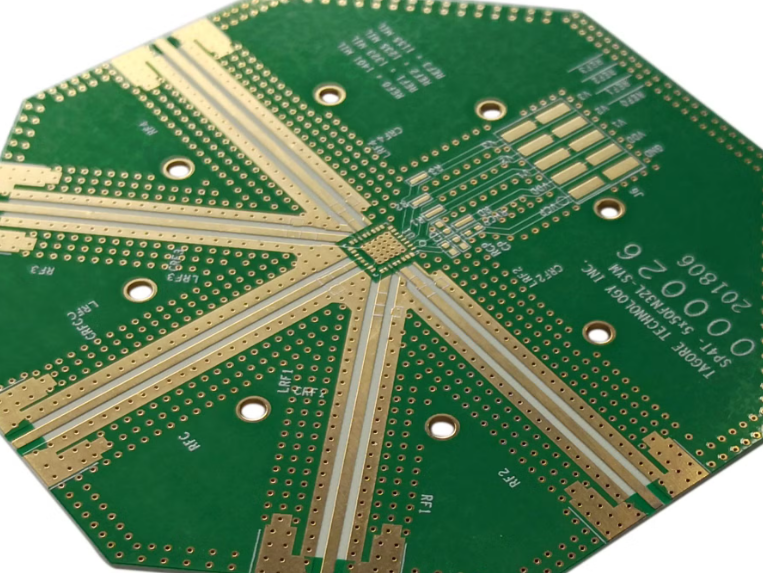
Understanding RF PCB Design in Modern High-Frequency Electronics As wireless communication technology rapidly advances toward: 5G and 6G communication millimeter-wave systems satellite communication automotive radar IoT wireless networks aerospace RF systems the importance of advanced RF PCB design has become increasingly critical. Unlike conventional digital PCB systems, RF circuits in PCB design operate at: high...

Blind Via and Buried Via

In modern PCB design, Blind Via and Buried Via technologies play a critical role in achieving high-density interconnect (HDI) structures, improving signal integrity, and optimizing PCB layout performance. As electronic devices continue to evolve toward miniaturization, high speed, and high functionality, the use of blind vias and buried vias has become increasingly essential in advanced...

Ball Grid Array (BGA) Package

The Ball Grid Array (BGA) package is one of the most widely used advanced semiconductor packaging technologies in modern high-density PCB design and PCBA assembly. It is designed to provide high pin-count interconnections, improved electrical performance, and enhanced thermal management compared to traditional packages such as QFP or QFN. BGAs are extensively used in CPU,...

Best Formats for 4-Layer PCB Stackups

Best Formats for 4-Layer PCB Stackups A well-chosen 4-layer PCB stackup is essential for achieving excellent signal integrity, controlled impedance, effective power distribution, low EMI, and reliable manufacturing — especially in high-speed digital, mixed-signal, RF, automotive, and industrial designs. Compared to 2-layer boards, a properly configured 4-layer stackup provides dedicated reference planes, shorter return paths,...

Materials for High Temperature PCBs

High temperature PCB design is a critical aspect of modern electronics, especially in applications involving high power, harsh environments, or continuous operation. PCBs operating at high power often generate significant heat and may experience repeated thermal cycling, making material selection essential for long-term reliability and performance. While active cooling methods such as fans or heat...

PCB Resistors and Board Design

In modern electronics, PCB resistors play a vital role in ensuring circuit stability, signal control, and power regulation. Whether in rigid circuit boards, multilayer PCBs, or advanced PCBA designs, proper resistor selection and placement are crucial for achieving optimal performance. Understanding how resistors in PCB design interact with layout and signal behavior is key to...

Understanding and Improving PCB Open Circuits: Causes and Solutions

Why PCB Open Circuits Matter In PCB manufacturing and PCB assembly, PCB open circuits are one of the most common and critical defects affecting electrical performance and product reliability. An open circuit occurs when an electrical path is unintentionally broken, preventing current from flowing through the circuit. For industries requiring high reliability—such as automotive electronics,...

Understand the performance and applications of Rogers 6010 and aluminum based high-frequency PCB

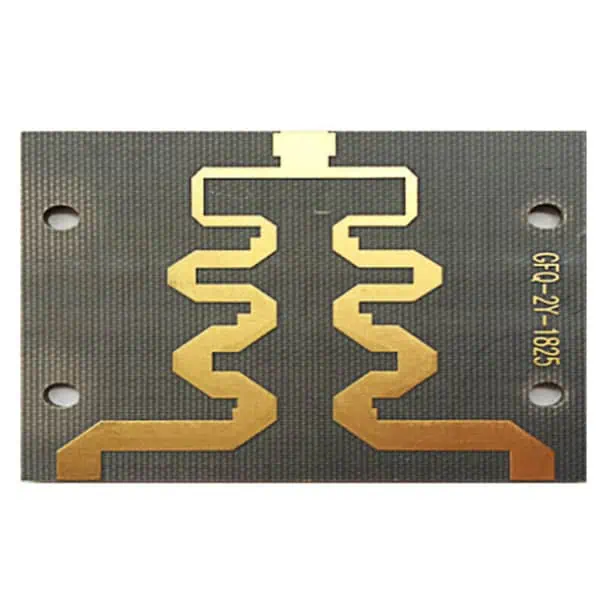
Introduction: Choosing the Right High-Frequency PCB Material In modern high-frequency PCB design, material selection plays a decisive role in determining signal integrity, thermal performance, and overall system reliability. Among the most widely used materials, Rogers 6010 and aluminum-based high-frequency PCB solutions stand out for their unique advantages in RF applications, microwave circuits, and high-power electronic...