KKPCB Blog – PCB & PCBA Insights, News, and Tips - KKPCB
 

Blog

Explore the KKPCB Blog for the latest PCB manufacturing and assembly news, industry insights, expert tips, and technology trends, helping you stay informed and optimize your electronics projects.
How to Create a Variable Power Supply PCB Layout

A variable power supply PCB is one of the most essential designs in electronic engineering, lab equipment, industrial systems, and embedded development platforms. It allows adjustable output voltage and current, making it suitable for testing, prototyping, and powering sensitive circuits. Designing a reliable variable power supply PCB layout requires careful consideration of power integrity, thermal...

Prototype PCB Design Software Essentials

Key Takeaways The competitiveness of new product introduction makes it critical to optimize your prototype design process for effectiveness and efficiency. Your prototype PCB design software should exhibit essential attributes for managing component inventory, creating schematics, designing PCBs, verifying designs, and managing data. OrCAD X delivers the essential functionality and capabilities in one program for prototype design...

Introduction to PCB Design

PCB design involves two critical stages: component layout and circuit connection wiring. The layout is the arrangement of circuit components within the PCB’s wiring area. A well-thought-out layout directly affects the ease of subsequent wiring and significantly impacts the PCB’s overall performance. In addition to meeting circuit functionality and performance requirements, a good layout considers manufacturability, inspection, and maintenance....

Electromagnetic Compatibility Design of Mobile Phone PCB

Electromagnetic compatibility (EMC) refers to the ability of electronic devices to function harmoniously in their electromagnetic environment without causing or being affected by electromagnetic interference (EMI). The goal of EMC design is to enable electronic devices to resist external interference while minimizing the electromagnetic interference they emit to surrounding devices. 1. Selecting the Right Wire Width Minimizing inductance...

The Five Golden Rules of PCB Design

Printed Circuit Board (PCB) design is a critical step in the development of any electronic product. A well-designed PCB ensures reliability, performance, and manufacturability, while a poor design can lead to costly failures and delays. Below are five golden rules that every PCB designer should follow. 1. Prioritize Clear and Logical Layout A clean and...

10 Key Steps to Ensure Signal Integrity (SI) in PCB Design

Introduction: Addressing signal integrity (SI) issues early in the PCB design process can streamline the design and eliminate the need for corrective termination devices later. Here, we outline critical steps to maintain signal integrity, from planning through testing. 1. Preparation Before Design Begin by defining your SI requirements and design strategy. Early-stage planning will guide component selection,...

Relationship Between Current and Line Width in PCB Design

PCB design is a delicate balance of electrical and thermal considerations, with the relationship between current and line width being a cornerstone of reliable circuit functionality. While many empirical formulas, tables, and software tools exist online to guide this aspect of design, this article consolidates the most useful references to assist engineers in optimizing PCB layouts....

8 Best Tips and Key Considerations for Designing High-Voltage PCBs

In the world of power electronics, High-Voltage PCB design—typically involving circuits operating above 100V—presents unique challenges that go far beyond standard digital layouts. Designing for high voltage requires a deep understanding of dielectric breakdown, atmospheric conditions, and material science. Failing to implement proper high-voltage safety standards can lead to catastrophic arcing, board carbonization, or complete system failure. Whether...

How to Make Flexible and Rigid-Flex PCB Assemblies?

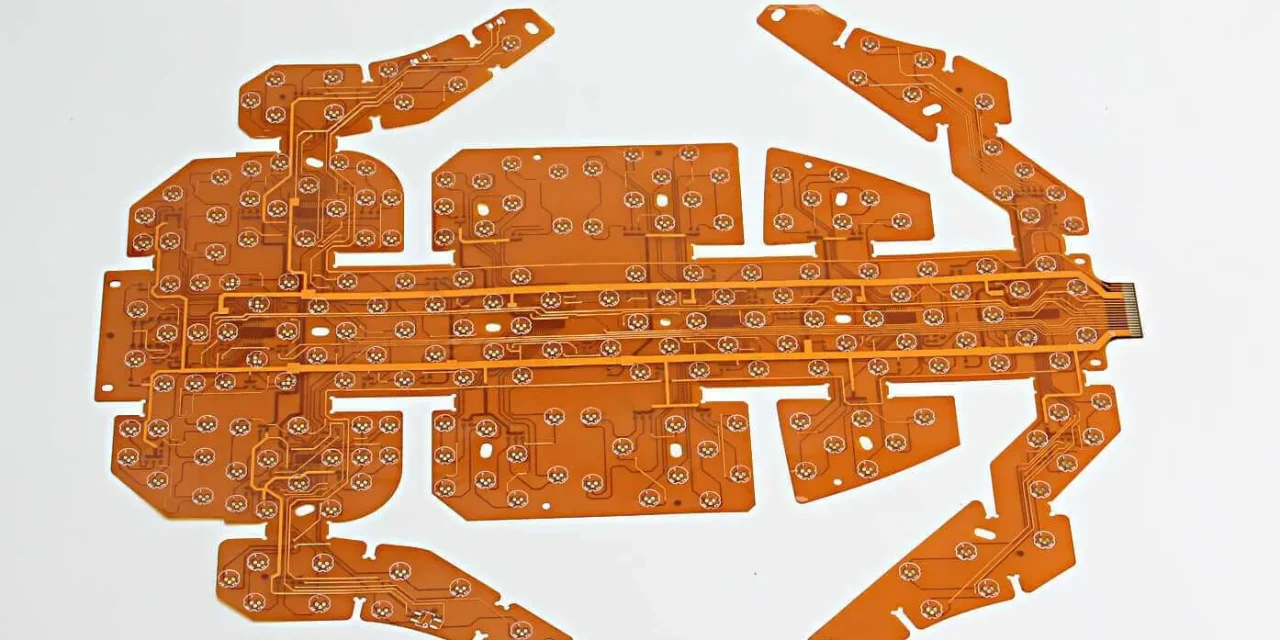
Rigid boards are known for their joined-up look. While PCBs are in huge demand nowadays, flexible boards are the latest innovation in the industry. Flexible-rigid and flex-flex PCBs are the result. Rigid-flex PCB combine both rigid and flexible layers, while flex boards use only flexible materials. Flexible PCBs, on the other hand, allow for complete customization....