Blog

Explore the KKPCB Blog for the latest PCB manufacturing and assembly news, industry insights, expert tips, and technology trends, helping you stay informed and optimize your electronics projects.
How to Make Flexible and Rigid-Flex PCB Assemblies?

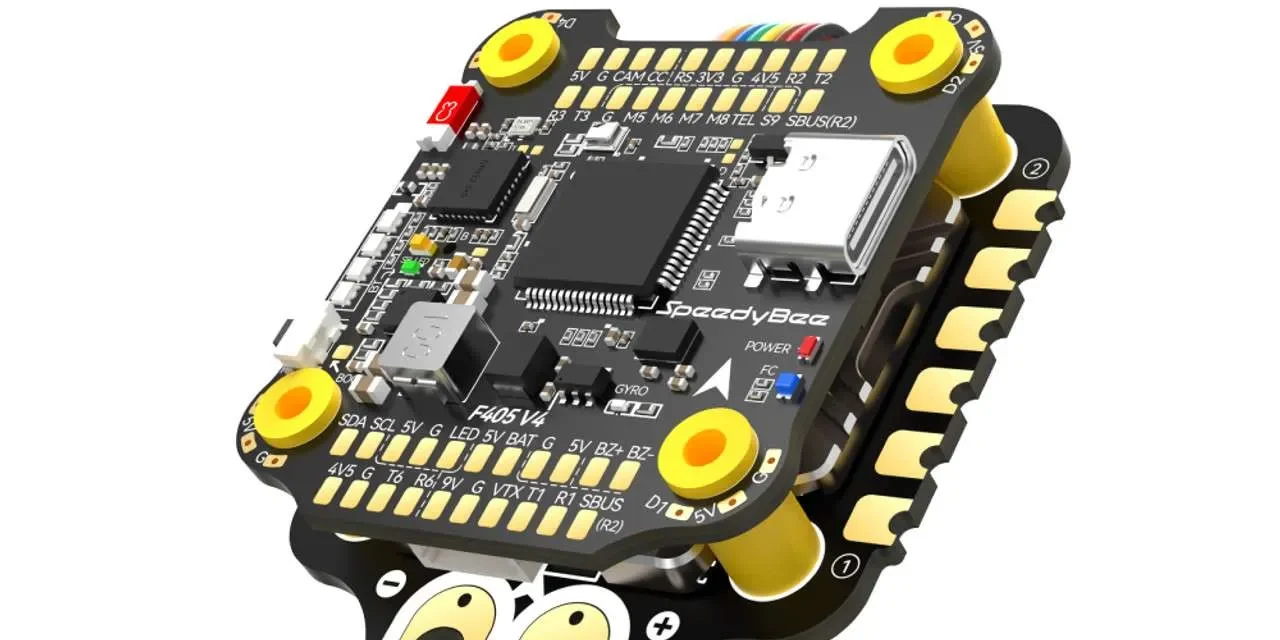
Rigid-flex PCB technology combines the advantages of both rigid PCBs and flexible circuits, enabling engineers to achieve compact, lightweight, and highly reliable electronic designs. Compared with traditional rigid boards, rigid-flex PCBs provide greater design freedom by allowing three-dimensional assembly, reducing connector usage, and improving mechanical reliability in applications with limited space. As electronic products continue...

PCB Assembly for Industrial Controls and How to Make Industrial PCBs?

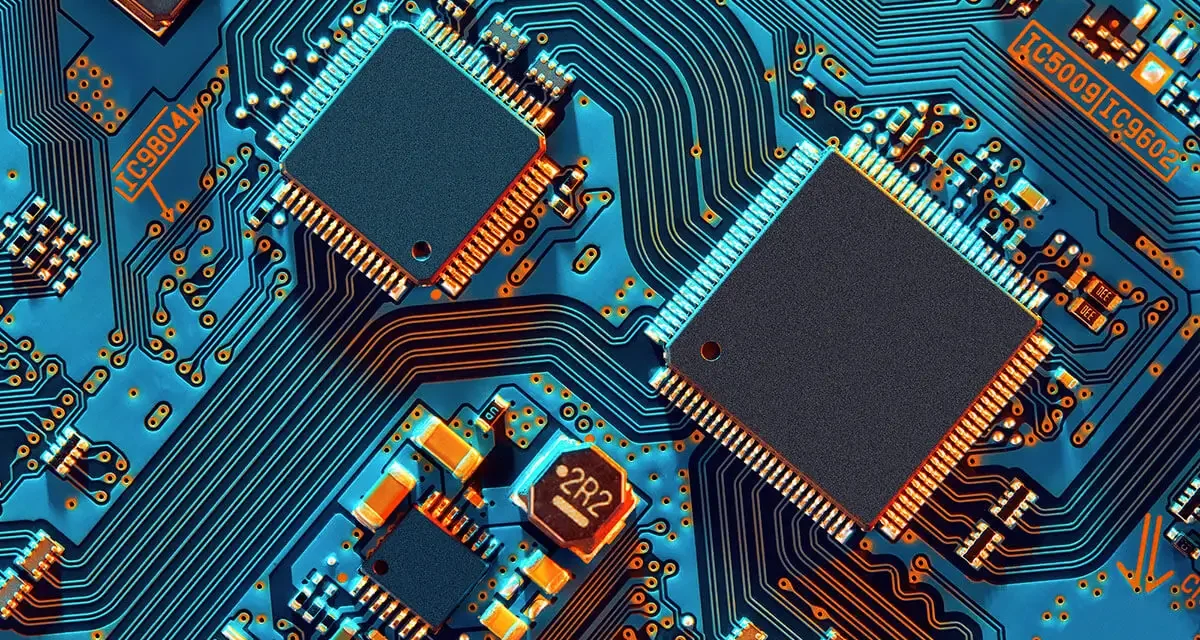
Industrial PCB Requirements and Challenges In industrial control systems, PCB assembly (PCBA) plays a critical role in ensuring system stability, long-term reliability, and real-time control performance. Unlike consumer electronics, industrial PCBs must operate under harsh environments, including high temperature, humidity, electrical noise, and mechanical vibration. To achieve reliable operation, industrial PCBs require optimized design, material...

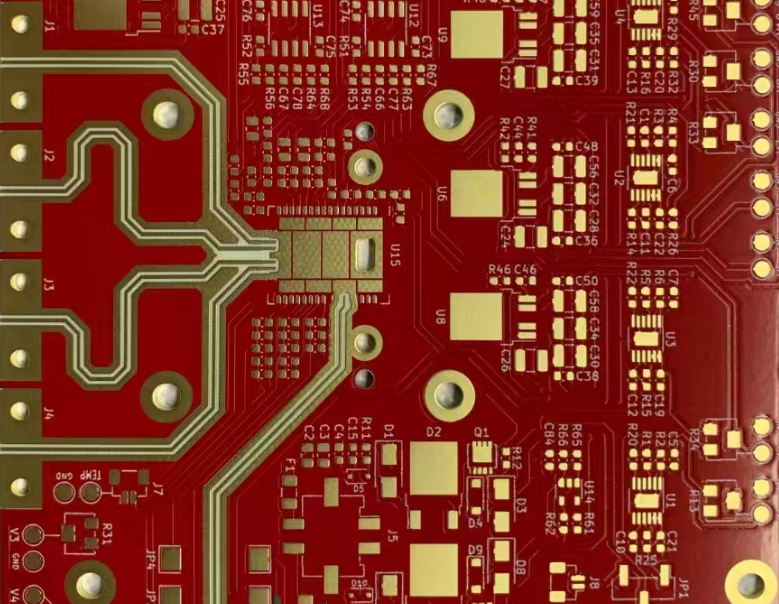
How to Make High-Frequency PCB?

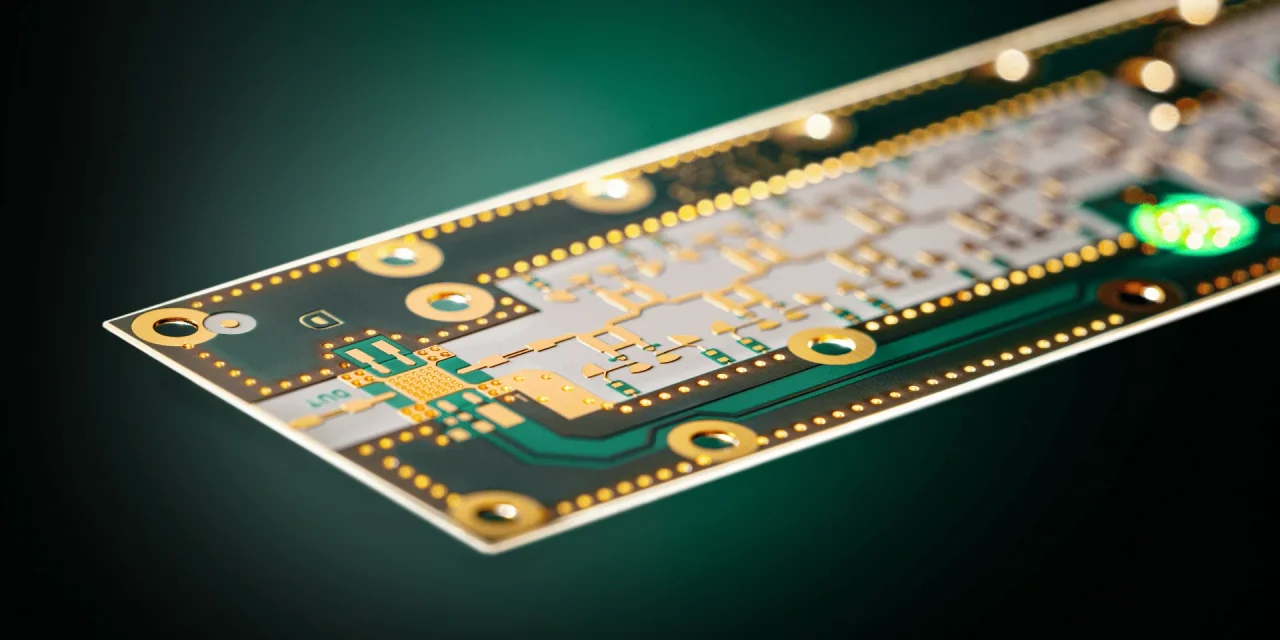
PCB is one of the essential components and devices in electronics due to its wide availability and simplicity. Among the various types and forms of PCB, high-frequency PCB is widely used due to its general purpose. What is High-Frequency PCB? A high-frequency PCB is very similar to any other form of PCB (printed circuit board). It is compatible with...

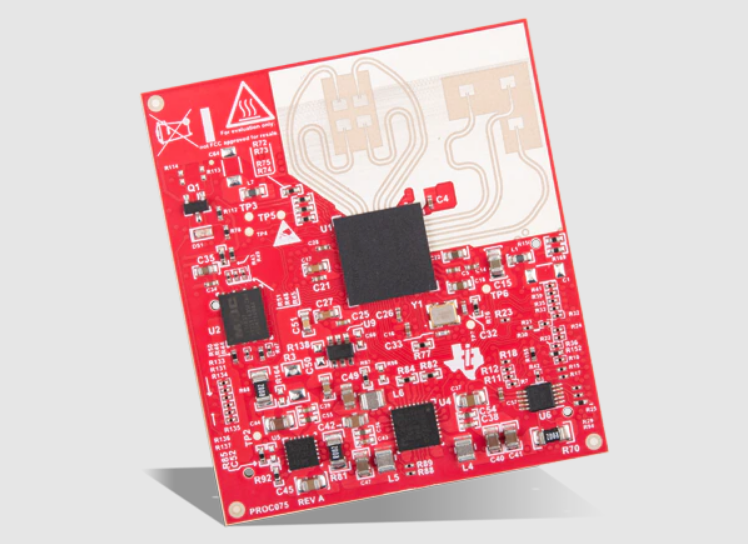
Case Study: 77GHz Millimeter-Wave Automotive Collision Avoidance System

Customer Background The client specializes in the development and production of a wide range of microwave electronic products. These products are extensively used in satellite communication, television broadcasting, long-range communication, data and image transmission, radar, remote control, remote sensing, electronic reconnaissance, and electronic countermeasures. With deep technical expertise in microwave technology and high-frequency electronic products,...

Difference Between PCB Manufacturing and PCB Assembly

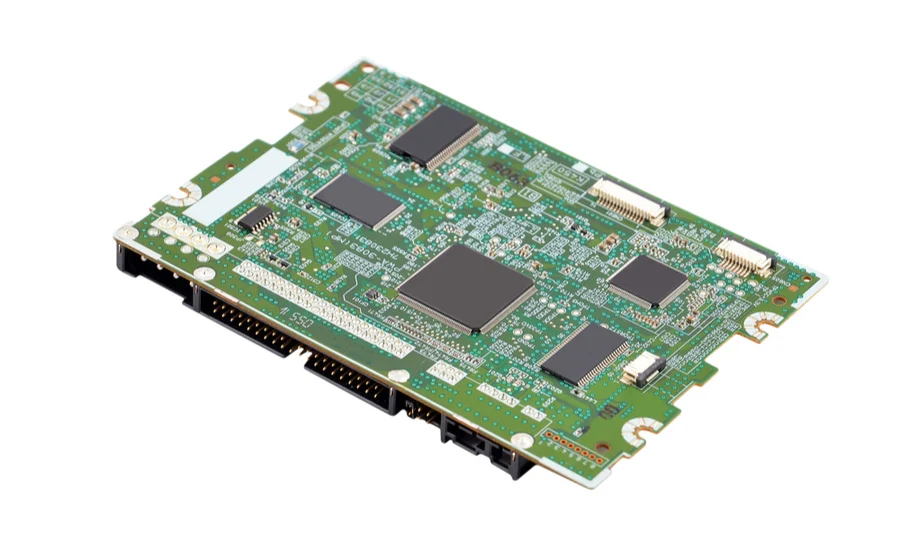
The Printed Circuit Board (PCB) is a fundamental component of all electronic devices, serving as the “command center” that ensures their functionality. However, many business owners struggle to differentiate between PCB manufacturing and PCB assembly, often leading to suboptimal decisions. This article clarifies the distinction and importance of both processes. What is PCB Manufacturing? PCB manufacturing is the process of creating...

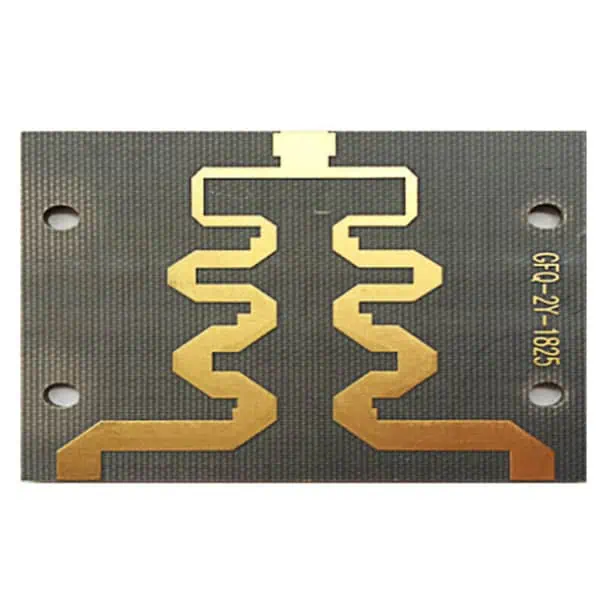
What is a High Frequency PCB?

Introduction: Why High Frequency PCB Matters As modern electronics continue to evolve toward high-speed communication and high-frequency signal transmission, the demand for High Frequency PCBs has grown significantly. Applications such as 5G communication, radar systems, and satellite technology require circuit boards that can handle high-frequency signals with minimal signal loss and excellent signal integrity. Understanding...

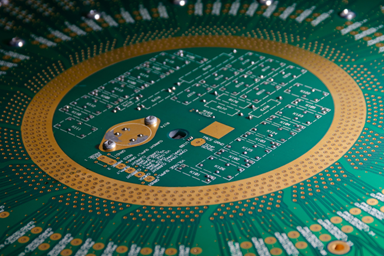
PCB Warpage: Causes, Prevention & Solutions Explained

In PCB manufacturing and assembly, dimensional stability is a critical factor that directly affects product reliability and production yield. One common but often underestimated challenge is PCB warpage. PCB warpage occurs when a circuit board bends, twists, or loses its original flatness due to thermal stress, material characteristics, design imbalance, or manufacturing process variations. Although...