kkpcba-Cindy - KKPCB - Page 9 of 66
 
HomeAuthor

kkpcba-Cindy - KKPCB - Page 9 of 66

PCB Warpage: Causes, Prevention & Solutions Explained

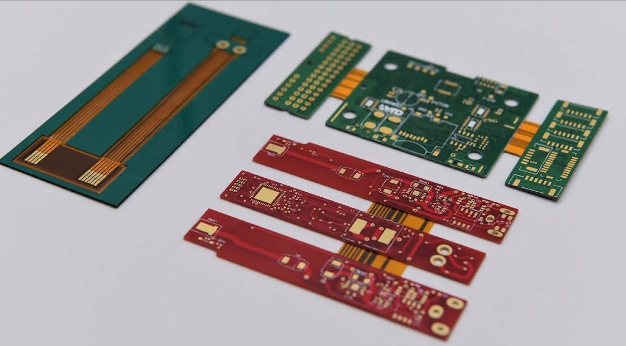
When designing and manufacturing Printed Circuit Boards (PCBs), one common yet often overlooked issue is warpage. Warping occurs when the PCB bends or twists, leading to alignment issues during assembly. This deformation can cause misalignment of components, poor solder joints, and even failure of the final product. In this article, we will explore what causes PCB warpage,...

PCB vs. IC: Key Differences and Their Roles in Electronics

In electronics, PCBs (Printed Circuit Boards) and ICs (Integrated Circuits) are two foundational components. While both are indispensable, they serve very different purposes. Understanding their roles is essential for anyone interested in electronics design or manufacturing. PCB: Acts as the backbone of electronic devices, connecting and supporting all components. IC: A compact chip designed for specific tasks, such as...

Comprehensive Guide to Conformal Coatings for PCBs

Conformal coatings play a critical role in ensuring the longevity and reliability of printed circuit boards (PCBs). Whether designing electronics for consumer devices, automotive systems, or military applications, selecting the right conformal coating is essential. In this guide, we’ll cover everything about conformal coatings, from types and benefits to best practices for application. What is Conformal Coating?...

PCB Board Layout Design:20 Key Points Considerations

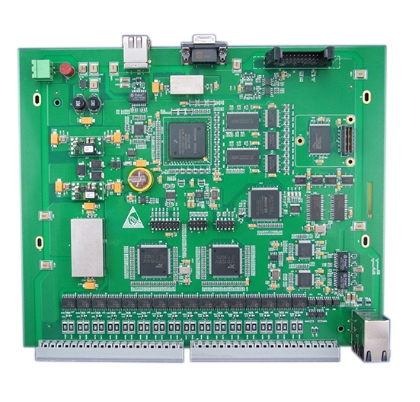
What is the standard of a good PCB board? Reasonable layout, sufficient power redundancy of power line, high-frequency impedance and simple low-frequency wiring. What kind of PCB design layout can reach the best heat dissipation There are three main sources of heat in PCB: heat from electronic components; heat from PCB itself; Heat from other parts. Among the three heat sources, the...

Optimized Guide: What is SMT Assembly?

Introduction to SMT Assembly As electronics become more compact and complex, Surface Mount Technology (SMT) has emerged as the standard method for assembling PCBs. Since its rise to prominence in the 1980s, SMT has revolutionized manufacturing and is now integral to modern electronics, from smartphones to automotive systems. What is SMT Assembly? SMT is a process of constructing...

Optimized Overview: SMT and THT Assembly Processes

When assembling a printed circuit board (PCB), components are mounted onto the board through one of two primary methods: Surface Mount Technology (SMT) or Through-Hole Technology (THT). Each method has distinct advantages and is suited to different applications depending on the project requirements. This guide explores the SMT and THT assembly processes, their differences, and how to choose the right...

SMT PCB Assembly: A Comprehensive Guide

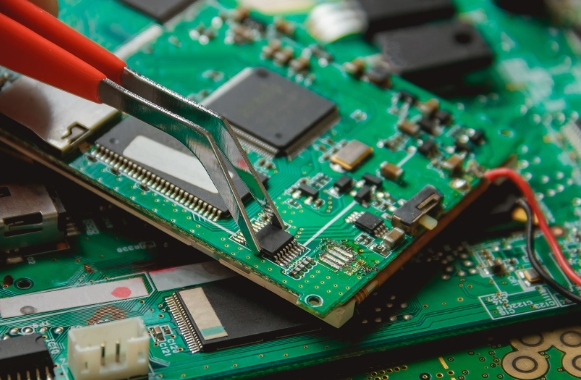
Have you ever wondered how our gadgets have become so powerful yet so compact? The secret lies in a manufacturing marvel: Surface Mount Technology (SMT) for PCB assembly. In this guide, we’ll break down the essentials of SMT PCB assembly, why it’s the go-to method for modern electronics, and how it’s shaping the tech we rely on...
Advantages and Disadvantages of Surface Mount Technology (SMT)

The Importance of SMT in Modern PCB Assembly In modern electronics manufacturing, Surface Mount Technology (SMT) has become the dominant method for PCB assembly. By enabling compact designs and high-speed production, SMT PCB assembly plays a critical role in industries such as consumer electronics, automotive systems, and communication technology. However, like any PCB assembly technology,...

What is SMT? A Primer on Surface Mount Technology

Surface Mount Technology (SMT) has revolutionized the electronics industry by enabling compact, efficient, and cost-effective PCB assembly. Today, nearly all commercially manufactured electronic devices utilize SMT for its ability to pack more functionality into smaller spaces and improve manufacturing processes through automation. This guide provides a comprehensive overview of SMT, its evolution, benefits, challenges, and applications....

Overview of SMD Components and Their Characteristics

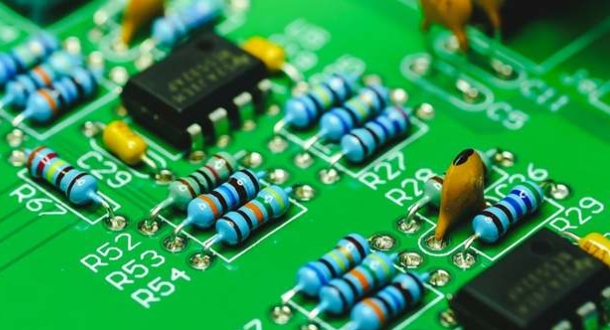
Introduction: The Importance of SMD Components in Modern Electronics In today’s electronics manufacturing industry, SMD components (Surface Mount Device components) are the foundation of modern SMT PCB assembly. As electronic products move toward miniaturization, high performance, and high-density integration, SMD components have become essential in nearly all PCB assembly processes. Understanding the characteristics of SMD...