kkpcba-Cindy - KKPCB - Page 37 of 75
 
HomeAuthor

kkpcba-Cindy - KKPCB - Page 37 of 75

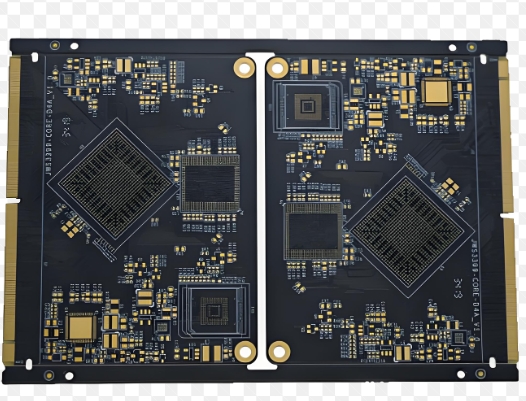
Multilayer PCB Manufacturing Process: A Complete Step-by-Step Guide

Multilayer printed circuit boards (PCBs) are widely used in modern complex electronics. These PCBs consist of multiple layers of conductive materials stacked on top of each other, enabling the design of more complex circuits with higher functionality. Such complex PCBs are used in various fields such as industrial automation, aerospace, military and medical devices, computers, and...

PCB Substrate and Core Materials: A Comprehensive Guide

The Printed Circuit Board (PCB) is a fundamental component in all modern electronics, providing the platform for the electronic components and circuits. The performance, durability, and overall quality of a PCB are heavily influenced by the materials used for its substrate and core. This comprehensive guide explores the different types of PCB substrate and core materials, their properties, applications, and why they are...

Turnkey PCB Assembly: A Comprehensive Guide to Efficient and Reliable Electronics Manufacturing

Turnkey PCB assembly is rapidly becoming a preferred solution for businesses seeking a comprehensive, one-stop service for printed circuit board (PCB) manufacturing and assembly. In the fast-paced electronics industry, efficiency, speed, and reliability are key to maintaining competitiveness. By streamlining the entire process from design to delivery, turnkey PCB assembly services allow companies to focus on research and development...

PCB Substrate Materials: Understanding the Types of PCB Materials

PCB (Printed Circuit Board) substrate materials are the backbone of a PCB assembly, providing the necessary foundation for copper tracks and electronic components. The choice of PCB material plays a critical role in determining the performance, durability, and overall reliability of the PCB. These materials can be resin-based, fiberglass-based, epoxy-glass, metal-based, or flame-retardant, and they are...

Advantages and Applications of Double-Sided PCB

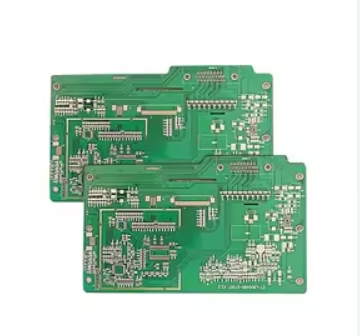
What is a Double-Sided PCB? A Double-Sided PCB (also known as a Double-Layer PCB) is a type of printed circuit board where both sides of the substrate are used for placing electronic components and conductive copper traces. Unlike single-sided PCBs, which have a copper layer on only one side, double-sided PCBs feature conductive layers on both sides of the board, connected via plated-through holes (PTH),...
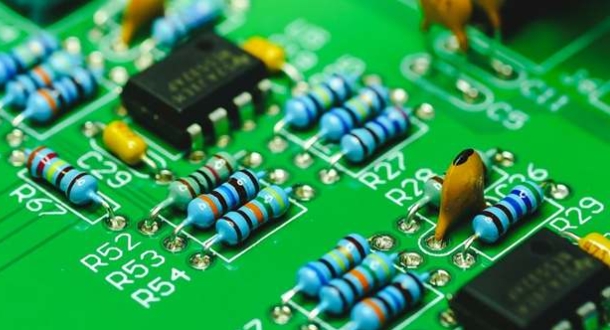
Advantages and applications of single-sided PCB

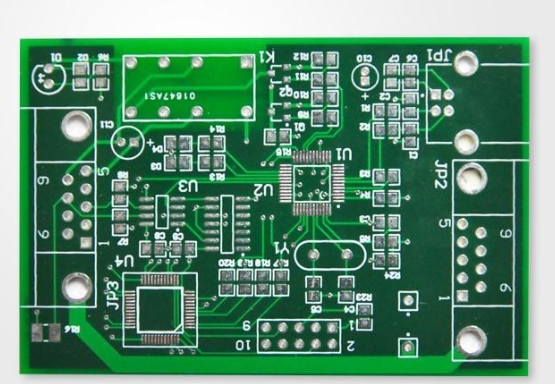
What is a Single-Sided PCB? A Single-Sided PCB (also known as a Single-Layer PCB or One-Layer PCB) is the simplest and most cost-effective type of printed circuit board. As the name suggests, it has a single conductive layer (usually copper) on one side of the substrate, with the electronic components mounted on the opposite side. Unlike double-sided PCBs, which feature conductive layers on both sides, single-sided...

Multilayer PCB Manufacturing Process, Advantages and Applications

What is a Multilayer PCB? A Multilayer PCB (Printed Circuit Board) is a type of PCB with more than two conductive layers. Unlike a double-sided PCB, which has two copper layers (top and bottom), a multilayer PCB consists of three or more layers of copper, interconnected by copper-plated vias. The number of layers can range from 3 layers to 40 layers or more, depending on...

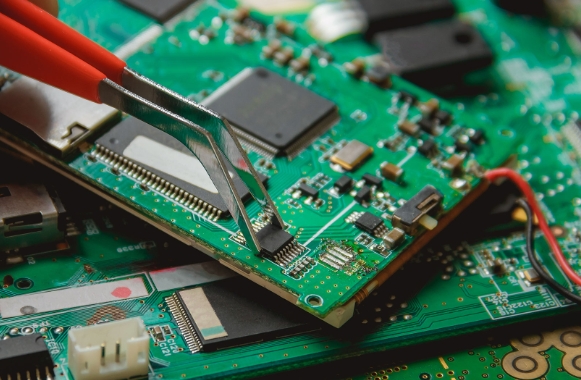
SMT Troubleshooting: Common Issues and Solutions for Surface Mount Technology

Surface Mount Technology (SMT) is widely used in the PCB assembly process, but like any complex manufacturing technology, it is not immune to defects. Whether you’re dealing with solder balls, bridging, tombstoning, or unmelted solder paste, troubleshooting is a key part of ensuring high-quality SMT production. In SMT, defects may arise due to various factors like improper solder paste application,...

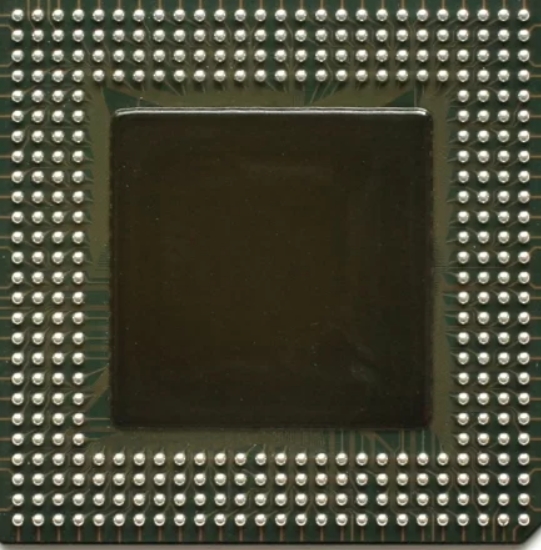
Ball Grid Array (BGA) Package

What is Ball Grid Array (BGA) Ball Grid Array or BGA is a leadless surface mount package (SMD component). This type of surface mount package is used in surface mount technology (SMT) and utilizes an array of metal balls called solder balls for electrical interconnection. The solder balls are attached to a laminate substrate at the bottom of the...