kkpcba-Cindy - KKPCB - Page 34 of 66
 
HomeAuthor

kkpcba-Cindy - KKPCB - Page 34 of 66

PCB Resistors and Board Design

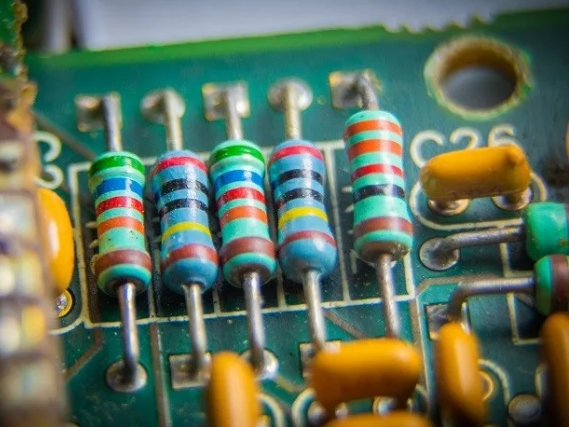
In modern electronics, PCB resistors play a vital role in ensuring circuit stability, signal control, and power regulation. Whether in rigid circuit boards, multilayer PCBs, or advanced PCBA designs, proper resistor selection and placement are crucial for achieving optimal performance. Understanding how resistors in PCB design interact with layout and signal behavior is key to...
Should You Use Plated or Unplated PCB Mounting Holes?

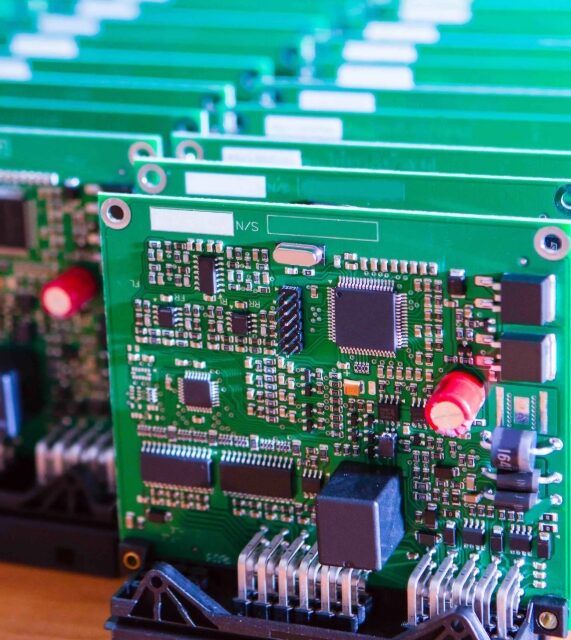
When designing a PCB, one of the critical decisions you’ll face is whether to use plated or unplated PCB mounting holes. These holes are essential for securing the PCB to an enclosure or package, but the choice between plated and unplated holes depends on your design requirements, grounding needs, and mechanical considerations. Let’s explore the differences, advantages, and...

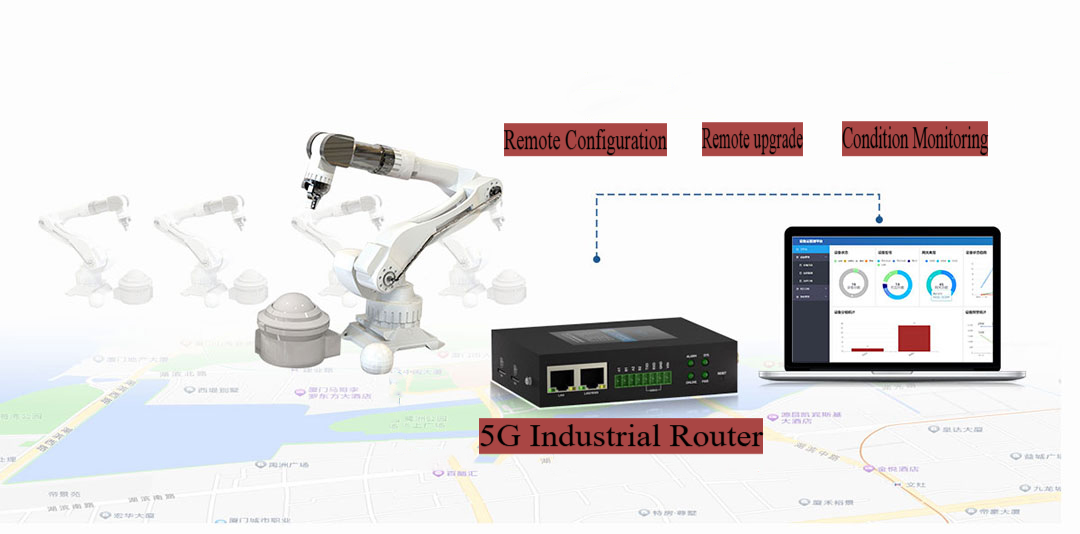
KKPCB Success Case:Industrial Network Router PCBA Solution

1. Background Overview A European customer in the industrial automation sector required a high-performance and reliable industrial network router for device-to-device communication in their automated systems. The router needed to support high-speed data transfer, strong anti-interference capabilities, remote control functionality, and stable operation in harsh environments. The customer was looking for a supplier with expertise...

Key Points in Automotive Radar Design from an RF Technology Perspective

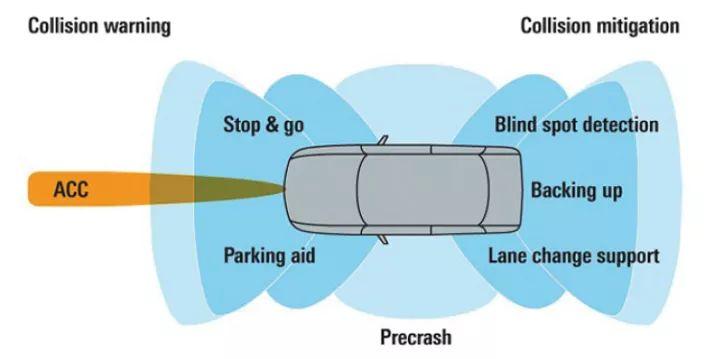
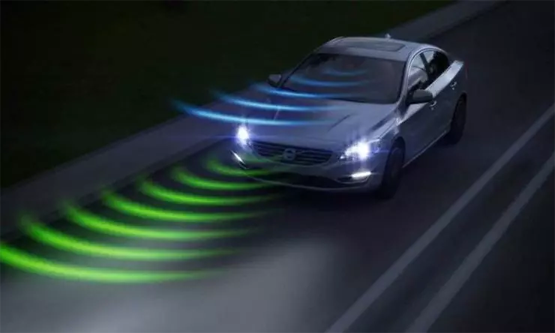
Automotive radar technology is on the rise. Whether it is for current blind spot detection systems or for developing autonomous driving control, high performance, high reliability, compact size, and low cost are indispensable factors and motivations for the continuous development and improvement of core automotive radar technologies. Automotive radar is an essential component of driver...

In the Texas Instruments technical article, “How low-power 60GHz mmWave radar sensors enable high-precision sensing in more applications,” we discussed how 60GHz millimeter-wave (mmWave) radar sensors enable high-precision sensing in industrial and consumer electronics applications. In this article, we will explore how low-power 77GHz radar sensors can help achieve reliable and accurate sensing in other challenging applications....

Short-term thermal effects on millimeter-wave PCBs

Electrical performance consistency is critical for producing high-volume printed circuit boards (PCBs). As PCB applications move to higher frequencies, such as fifth-generation (5G) cellular wireless networks at millimeter-wave frequencies and 77 GHz automotive radar, any inconsistencies on the PCB become very noticeable, especially when the circuits operate at shorter wavelengths of millimeter-wave frequencies. There will always be...

Overview of PCB high-frequency board material selection and production and processing methods

1. Definition of PCB high frequency board High-frequency boards refer to special circuit boards with higher electromagnetic frequencies. They are used in high-frequency (frequency greater than 300MHz or wavelength less than 1 meter) and microwave (frequency greater than 3GHZ or wavelength less than 0.1 meter) PCBs. They are produced on microwave-based copper-clad boards using some of the...

An article that looks at the past and present of millimeter waves: Why 5G and smart cars cannot do without millimeter wave technology

The electronics industry has undergone many changes over the past few years. Nowadays, millimeter wave radar and millimeter wave communication frequently appear in our sight. In particular, Huawei has made remarkable achievements in 5G, and millimeter wave technology has been put on the table. Why does millimeter wave technology play such a key role in 5G and smart cars?...