kkpcba-Cindy - KKPCB - Page 30 of 75
 
HomeAuthor

kkpcba-Cindy - KKPCB - Page 30 of 75

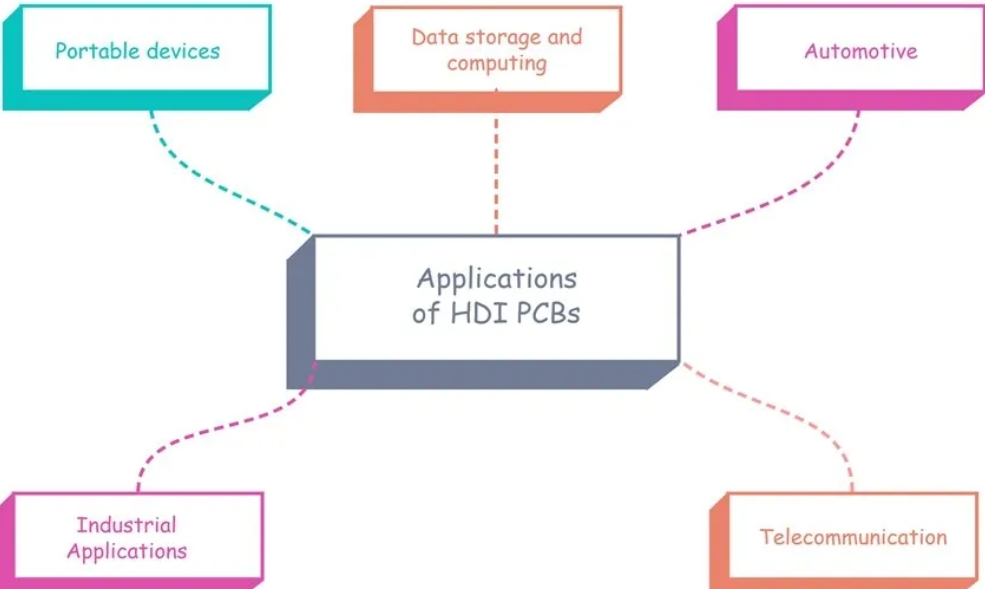
HDI PCB Design: Comprehensive Guidelines, Processes, and Considerations

In today’s world, electronic products have become more complex than before to achieve better performance and thus transfer data faster than ever before. HDI (High Density Interconnect) is a technology used in PCBs to achieve miniaturization of circuit boards with higher component density. Therefore, HDI PCB design considerations are particularly important in HDI PCB manufacturing. In this article, let’s...
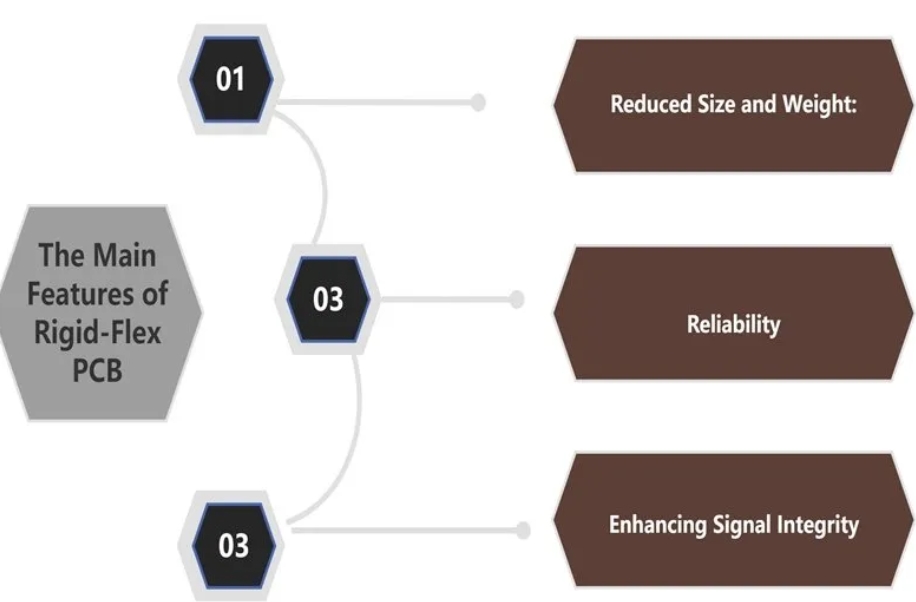
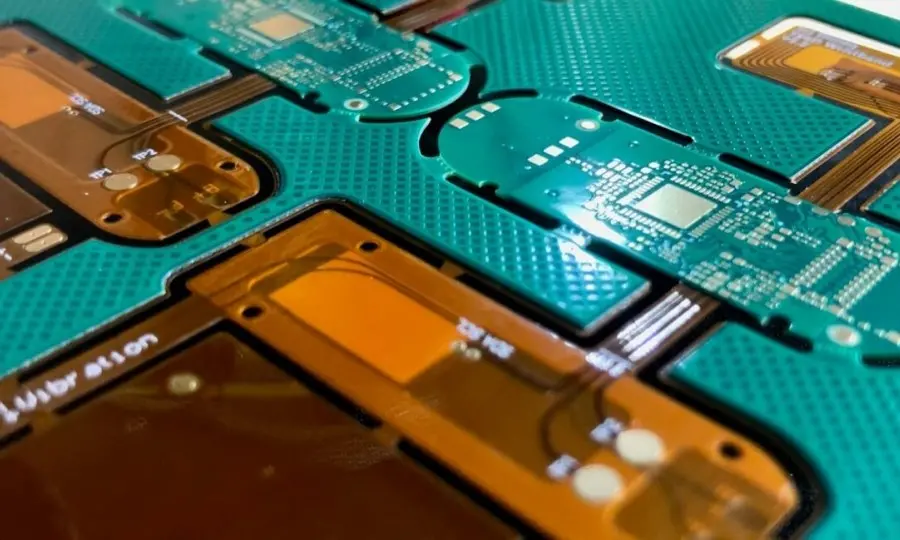
Rigid-Flex PCBs: Features, Benefits and Challenges

Technological advancement demands that electronic devices be more versatile and smarter. From slim smartphones to sophisticated medical devices, PCBs are becoming the heart of such advancement, and demand for more reliable technological advancements is increasing daily,  which requires more complex PCBs i-e Rigid-Flex PCBs. This comprehensive guide covers almost every aspect of one of the PCB...

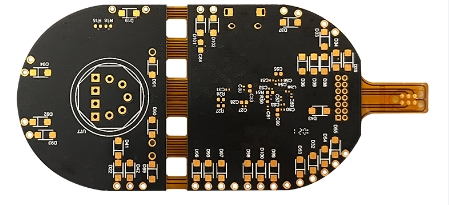
What is a Rigid-Flex PCB?

A Rigid-Flex PCB is a hybrid circuit board combining elements of both flexible circuit boards and rigid circuit boards, with an end result of a board that is able to be folded or continuously flexed and is normally formed into a flexed shape or curve during the manufacturing process. The flexible layers of a Rigid-Flex PCB are buried within the board and...

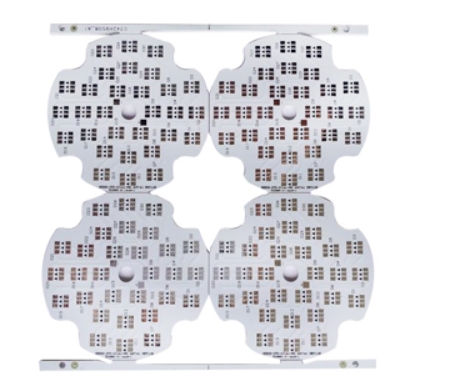
Aluminum PCB vs. Standard PCB: A Complete Guide to Finding the Right One for You!

In PCB fabrication, every material is important. Aluminum PCB core circuit boards (aluminum PCBs) have different characteristics than circuit boards without metal substrates (standard PCBs). These two popular circuit board types power a wide range of commercial and consumer electronics. Is an aluminum PCB or a standard PCB the best fit for your project? The answer depends on...

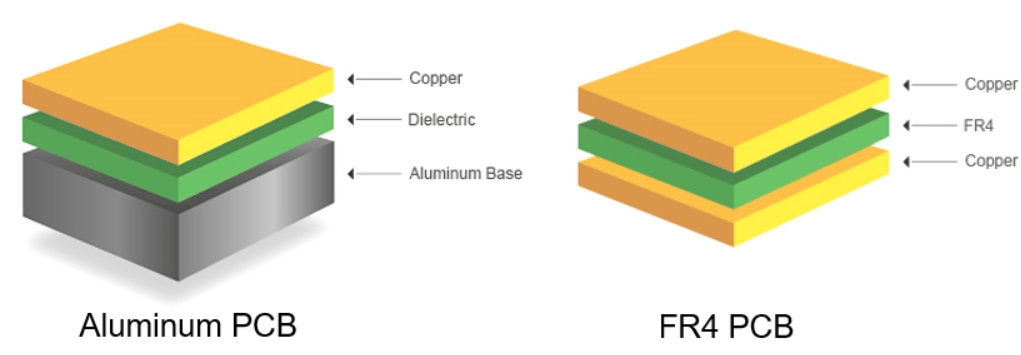
The Difference between Aluminum PCB and FR4 PCB

With the continuous development of electronic technology, the application of PCBs has become increasingly widespread. PCBs are integral components of electronic devices, playing crucial roles in various applications. Among them, Aluminum PCB and FR4 PCB (Glass Fiber Reinforced Epoxy Resin PCB) are two common types of PCBs with significant differences in terms of materials, performance, and applications....

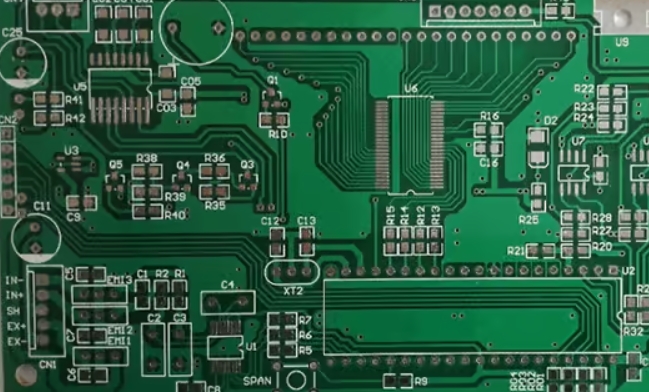
Types and Applications of Special PCBs

After years of development, CB has evolved from a general circuit board for placing components to a circuit board with complex components. As a PCB designer or manufacturer, you are constantly challenged with how to achieve better results. You want to provide new solutions or breakthroughs to problems. In some cases, these problems may require...

Special process for PCB processing of circuit boards

Special process flow for PCB processing of circuit boards As a practitioner in the PCB industry, for PCB copying, PCB design-related processes must be mastered. Through the analysis of our company’s professional PCB copying experts, our professional PCB copying experts have sorted out the following special process flow for PCB processing of circuit boards for...