kkpcba-Cindy - KKPCB - Page 29 of 66
 
HomeAuthor

kkpcba-Cindy - KKPCB - Page 29 of 66

Optimizing Thermostat PCB Design: Ensuring Efficient and Reliable Temperature Control Performance

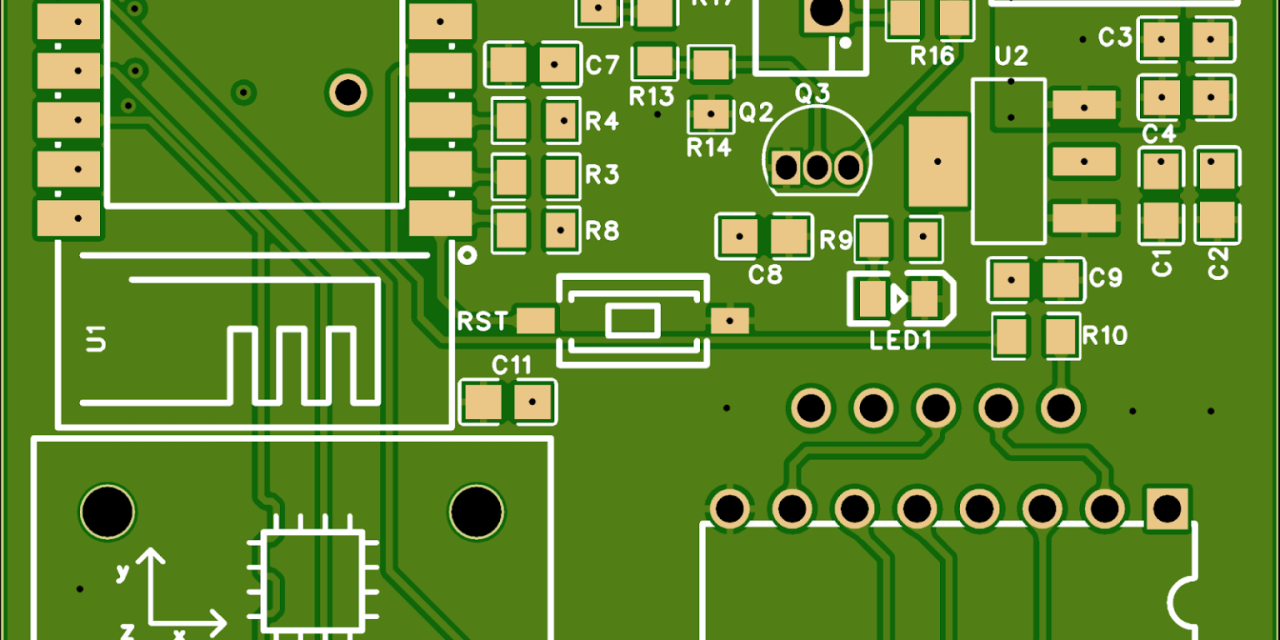
In modern HVAC systems, smart homes, industrial automation, and building management, thermostats play a critical role in precise temperature regulation, energy efficiency, and user comfort. At the heart of every advanced thermostat lies a well-optimized PCB (Printed Circuit Board) that integrates sensors, microcontrollers, power management, wireless connectivity, and user interface elements. Poor PCB design can...
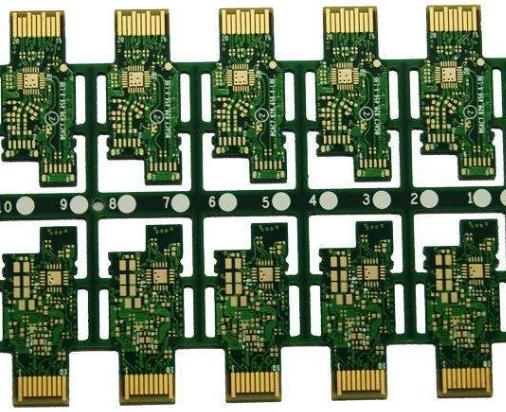
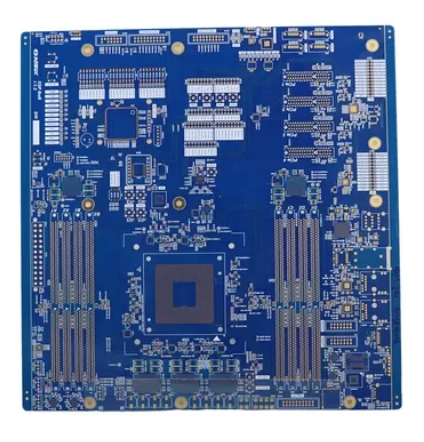
How Multilayer PCB Assembly is Made, Advantages and Applications

Printed Circuit Boards (PCBs) are valuable electronic components that help improve the efficiency and performance of machines. Therefore, regardless of size, number of production units and purpose, vigilance must be maintained in their manufacturing process. However, what needs to be considered is the use of different types of PCBs. Multilayer PCBs account for more than 50% of the...

Why FR4 is used in high temperature PCBs

Printed circuit boards are widely used for the functionality of electronic devices. It is an essential item for prototyping. It has many layers of different materials. There are many varieties of printed circuit boards in terms of the materials used in their manufacture. Depending on the material, the choice of material determines the properties of any...

PCB Assembly for Industrial Controls and How to Make Industrial PCBs?

Industrial PCB Assembly as the Backbone of Automation Systems In modern industrial control systems, PCB assembly (PCBA) is the core foundation that ensures reliable operation of automation equipment, PLC systems, motor drives, robotics controllers, and industrial IoT devices. Compared with consumer electronics, industrial PCBs must withstand harsh environments, including high temperature, electrical noise (EMI), vibration,...

What is Ceramic PCB and Substrate or Alumina PCB?

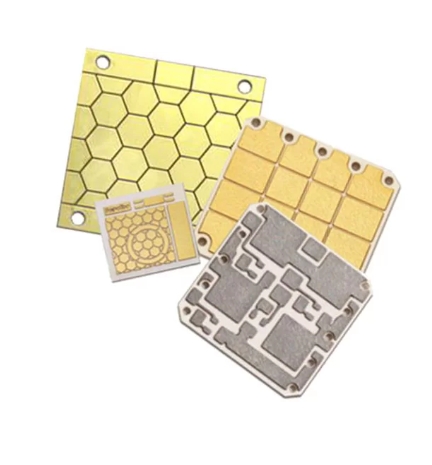
Why Ceramic PCBs Are Gaining Importance As electronic systems evolve toward higher power density, higher operating temperatures, and higher frequencies, traditional FR4 PCBs face limitations in: Thermal conductivity Heat dissipation capability Mechanical stability under extreme conditions This has led to the increasing adoption of ceramic PCB substrates, especially alumina (Al₂O₃) PCBs, in applications requiring excellent...

What is an IC PCB? Learn About IC Boards and Their Applications

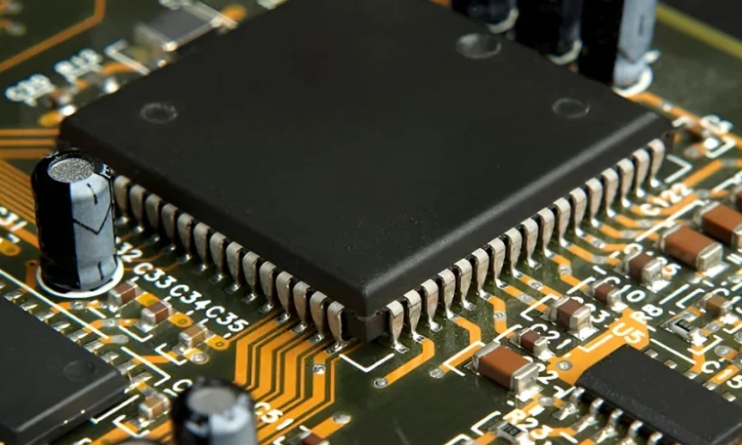
Integrated Circuits (ICs) are small, compact electronic components that combine multiple elements—such as transistors, capacitors, and resistors—onto a single microchip. These ICs are essential for processing data and controlling signals in countless devices, powering everything from smartphones to industrial machinery. IC PCBs (Printed Circuit Boards) enable the integration of ICs into electronic devices, making them smaller, faster,...

Optimized Overview: SMT and THT Assembly Processes

When assembling a printed circuit board (PCB), components are mounted onto the board through one of two primary methods: Surface Mount Technology (SMT) or Through-Hole Technology (THT). Each method has distinct advantages and is suited to different applications depending on the project requirements. This guide explores the SMT and THT assembly processes, their differences, and how to choose the right...

Understanding SMT PCB Assembly

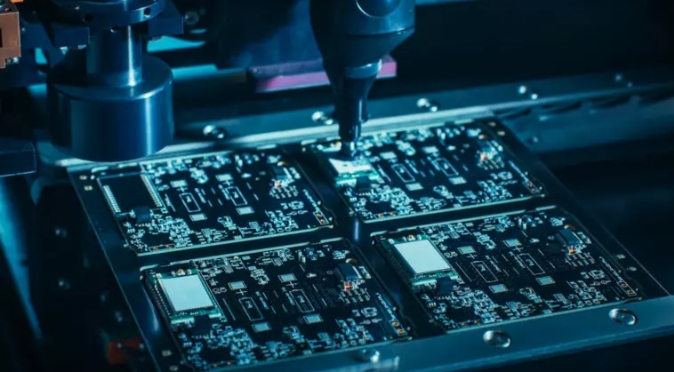
SMT PCB Assembly plays a vital role in the electronics manufacturing industry, enabling the production of compact, complex, and reliable electronic devices. This process combines Surface Mount Technology (SMT) with Printed Circuit Board (PCB) assembly to create functional electronic circuits or modules. Below is a detailed breakdown of the terms, steps, and importance of SMT PCB assembly. What is SMT (Surface...

SMT PCB Assembly: Advantages and Challenges of Surface Mount Technology

Surface Mount Technology (SMT) has transformed electronics manufacturing, becoming the preferred method for assembling printed circuit boards (PCBs). By allowing components to be directly mounted on the PCB surface without requiring wires or leads through holes, SMT offers unparalleled advantages in miniaturization, automation, and reliability. However, like any technology, SMT has its challenges. This guide explores the advantages,...

Advantages and Disadvantages of Surface Mount Technology (SMT)

Surface Mount Technology (SMT) is a method of mounting electronic components directly onto the surface of a printed circuit board (PCB). The components used in SMT, called Surface Mount Devices (SMDs), have largely replaced the older through-hole technology in modern electronics manufacturing due to their compact size and compatibility with automated assembly processes. While SMT offers significant benefits, it...