HomeTag

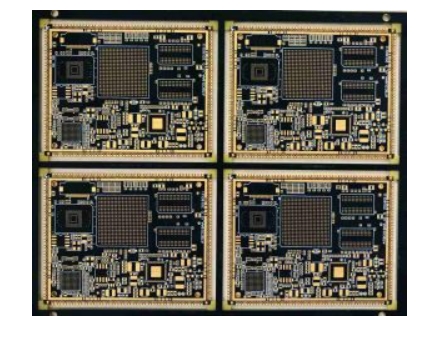
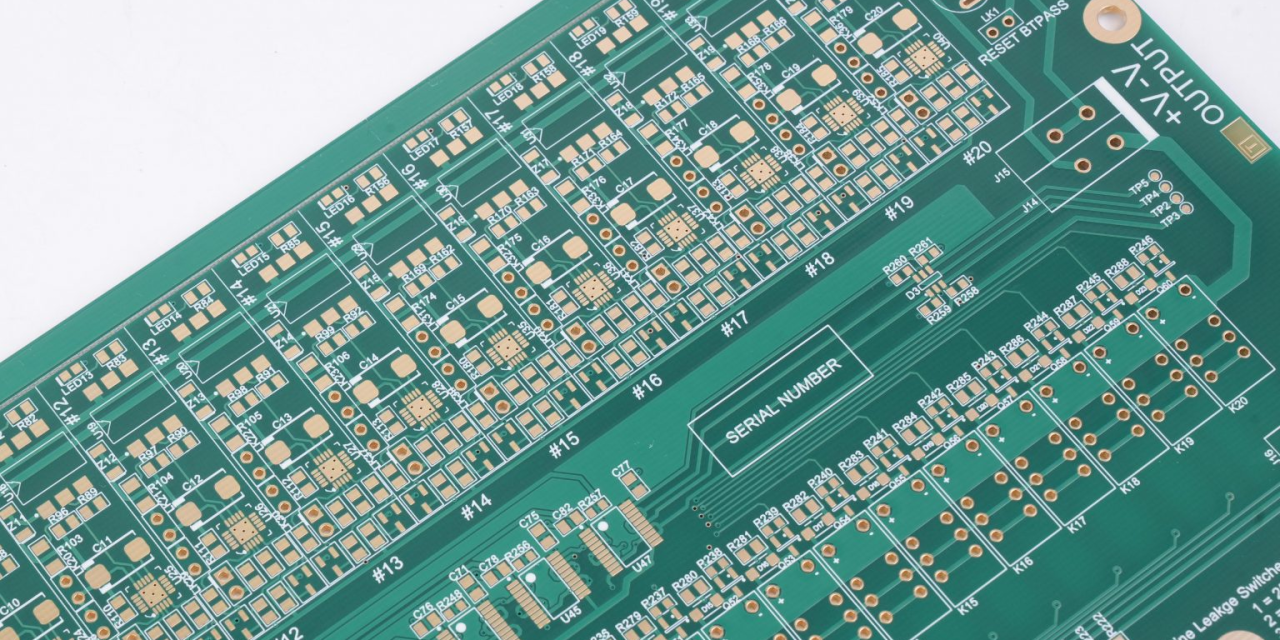
multilayer PCBs - KKPCB

Multilayer PCBs: Balancing Density, Performance, and Scalability

Why Multilayer PCBs Became Standard As electronic systems evolved from simple circuits to highly integrated platforms, single-layer and double-layer PCBs quickly reached their limits. Multilayer PCBs—typically defined as boards with 4 or more layers—became the standard solution for handling increased complexity. By stacking multiple conductive and insulating layers, engineers can: Route more signals within limited...
How to Find FaultyComponents on PCBs: AComprehensive Guide

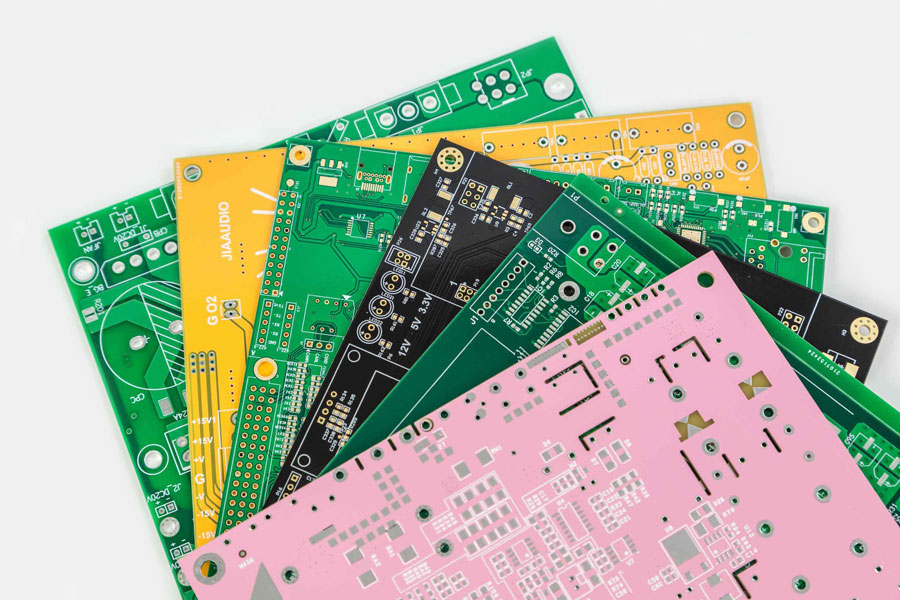
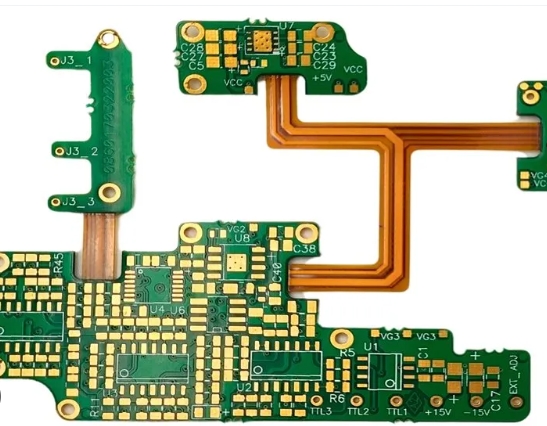
Troubleshooting printed circuit boards (PCBs) can be a daunting task, but with a systematic approach, it becomes manageable and efficient. This guide provides a step-by-step process to identify faulty components on PCBs, along with methods tailored to specific component types and advanced techniques for batch inspection. Step-by-Step Guide to Finding Faulty Components on PCBs Step 1: Power...

What are the advantages of multi-layer printed circuit board assembly?

One of the most important things in the electronics industry is the PCB. They are used in many industries such as aerospace, consumer electronics, automotive, etc. However, many times, businesses cannot decide whether they should choose single-layer or multi-layer printed circuit board assembly. Both types of PCB assembly services offer unique features to businesses. Therefore, it is crucial...

High Quality 10 Layer PCB Manufacturing High Quality 10 Layer PCB Manufacturing and Stack-up

Guidelinesand Stack-up Guidelines Printed circuit boards (PCBs) are becoming increasingly complex to accommodate higher density components and more sophisticated functionality. A growing trend is the use of boards with a large number of layers – 8, 10, 12 or more. In particular, many advanced designs are moving to 10 layer PCBs. While providing more real estate...