HomeTag

high-speed PCB - KKPCB

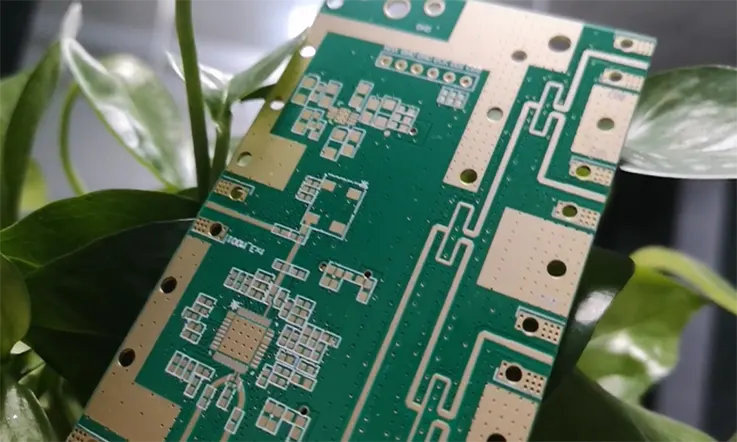
Impedance Controlled PCB: High-Speed and RF PCBs for Signal Integrity

What Is an Impedance Controlled PCB? An Impedance Controlled PCB is a printed circuit board designed with precisely engineered impedance values for high-speed or high-frequency signal paths. These PCBs ensure signal integrity, minimal reflection, and low insertion loss, which are critical for RF modules, 5G routers, high-speed digital circuits, automotive electronics, and sensor interfaces. Key...

High Frequency Sensor PCB: Precision PCBs for RF and High-Speed Sensor Applications

What Is a High Frequency Sensor PCB? A High Frequency Sensor PCB is a specialized printed circuit board engineered for high-frequency signal processing in sensors, such as radar, LiDAR, mmWave, and RF sensing modules. These PCBs are designed to maintain signal integrity, minimize insertion loss, and provide accurate impedance control, which are critical for precise...

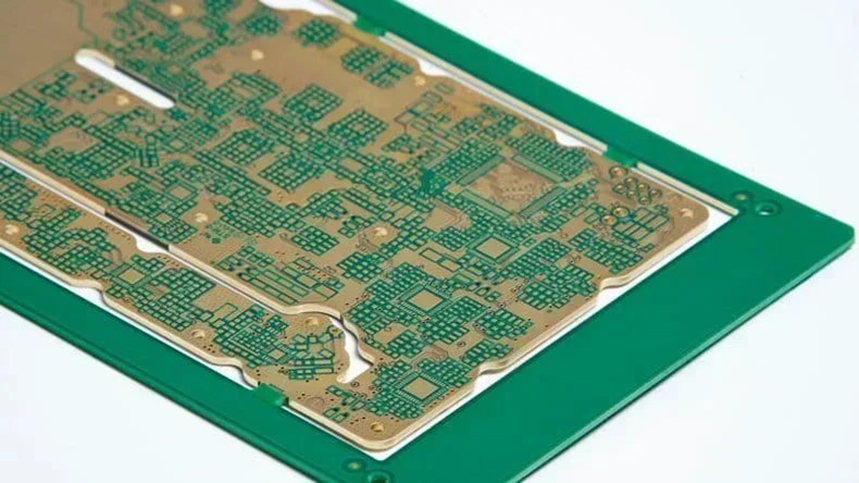
Megtron 7 PCB: Ultra-Low Loss PCBs for High-Speed and High-Frequency Applications

What Is a Megtron 7 PCB? A Megtron 7 PCB is a high-performance printed circuit board manufactured using Panasonic Megtron 7 laminate, designed for ultra-high-speed digital and high-frequency signal transmission. It is widely used in applications that demand exceptional signal integrity, extremely low transmission loss, and stable electrical performance. Megtron 7 PCB is commonly selected...

Low Loss PCB: High-Performance PCBs for High-Speed and High-Frequency Applications

What Is a Low Loss PCB? A Low Loss PCB is a printed circuit board engineered to reduce signal attenuation, insertion loss, and distortion during high-speed or high-frequency signal transmission. Low loss PCBs are essential in applications such as 5G communication, mmWave modules, data centers, automotive radar, and AI servers, where signal integrity is critical....

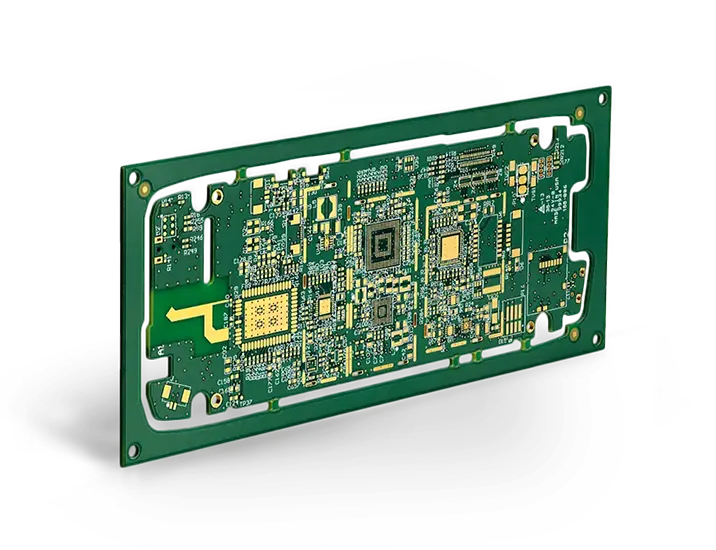
5G Router PCB: High-Frequency and High-Speed PCB Solutions for 5G Routers

What Is a 5G Router PCB? A 5G router PCB is a printed circuit board specifically designed for 5G wireless routers and gateways, supporting high-frequency RF signals, high-speed digital processing, and stable power delivery. These PCBs integrate RF front-end circuits, baseband processing, power management, and high-speed interfaces on multilayer boards. Compared with traditional 4G router...

Hybrid PCB Materials for Integrating High-Speed, RF, and Power Circuits in Advanced Electronic Systems

Hybrid PCB materials are engineered by combining multiple laminate systems within a single PCB stackup to meet diverse electrical, thermal, and mechanical requirements. As electronic systems increasingly integrate high-speed digital, RF, and power circuitry on one board, no single material can simultaneously optimize all performance parameters. Hybrid PCB materials provide a practical engineering solution to...

Taconic PCB Materials for High-Frequency, Low-Loss, and High-Speed RF Applications

Taconic PCBs are high-performance printed circuit boards engineered with low-loss dielectric laminates designed for RF, microwave, and high-speed digital applications. Taconic materials are widely recognized for their stable dielectric constant (Dk), low dissipation factor (Df), and thermal reliability, making them ideal for applications where signal integrity and frequency performance are critical. Key Advantages of Taconic...

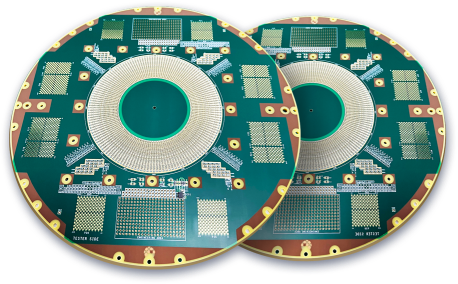
ATE PCB Supplier Solutions: High-Performance Boards for Automated Test Equipment Applications

Automated Test Equipment (ATE) PCBs are critical components in high-precision testing systems for semiconductors, modules, and electronic assemblies. Unlike standard PCBs, ATE PCBs must support high-density routing, controlled impedance, fine-pitch interconnects, and reliable signal integrity, ensuring accurate and repeatable test results. Why ATE PCBs Require Specialized Materials ATE systems often operate under high-speed digital or...

Hybrid PCB Materials: Engineering Multi-Material Boards for Signal Integrity, Thermal Management, and Reliability

Hybrid PCB materials combine two or more substrate types—such as high-speed laminates, low-loss materials, BT epoxy, and ceramics—to create boards optimized for electrical performance, thermal management, and mechanical stability. Unlike single-material PCBs, hybrid designs allow engineers to tailor material properties to different areas of the circuit, achieving performance levels unattainable with conventional laminates. Why Hybrid...

High TG Materials Engineering for Thermal Stability and Reliability in Advanced PCB Designs

High TG materials are specialized PCB laminates and prepregs engineered to operate reliably under elevated temperatures, repeated thermal cycling, and high-density multilayer stackups. TG, or glass transition temperature, defines the point at which the resin matrix softens, directly affecting mechanical stability, dimensional integrity, and electrical performance. In advanced electronic systems, selecting high TG materials is...