automotive PCB - KKPCB
 
HomeTag

automotive PCB - KKPCB

SiC PCB: Advanced PCB Solutions for High-Voltage and High-Temperature Power Applications

SiC PCB: Supporting the Next Generation of Power Electronics With the rapid growth of electric vehicles, renewable energy systems, and industrial power modules, Silicon Carbide (SiC) devices are becoming a key technology in modern power electronics. Compared to traditional silicon components, SiC devices operate at higher voltages, higher temperatures, and higher switching frequencies. However, these...

ADAS PCB – High Reliability PCB for Advanced Driver Assistance Systems

ADAS PCB for Automotive Safety and Intelligence ADAS PCB (Advanced Driver Assistance Systems PCB) is a high-reliability printed circuit board used in modern automotive electronic systems that enhance vehicle safety, automation, and driving intelligence. ADAS systems integrate multiple high-speed sensors and processing modules, including: Radar modules (24GHz / 77GHz) Camera control boards LiDAR systems Ultrasonic...

High Current PCB – Reliable Power Handling for Industrial and Automotive Applications

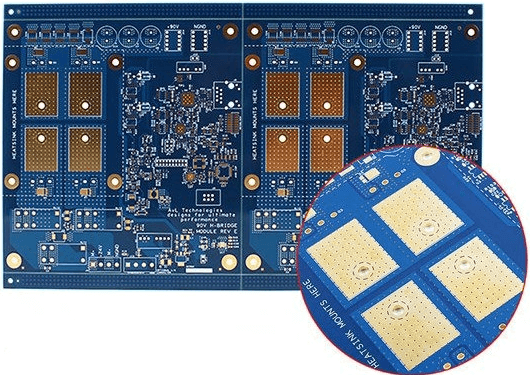
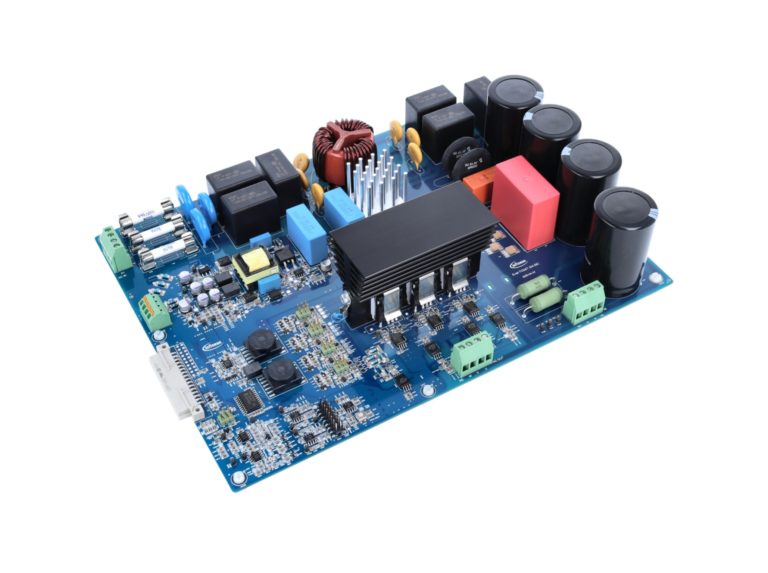
High Current PCB for Demanding Power Applications As power electronics continue to evolve, many modern systems require printed circuit boards capable of handling significantly higher current levels without overheating or performance degradation. A High Current PCB is specifically engineered to carry elevated current loads through optimized copper thickness, reinforced trace design, and enhanced thermal management...

Multilayer PCB – High Performance Multi Layer Printed Circuit Board for Advanced Electronics

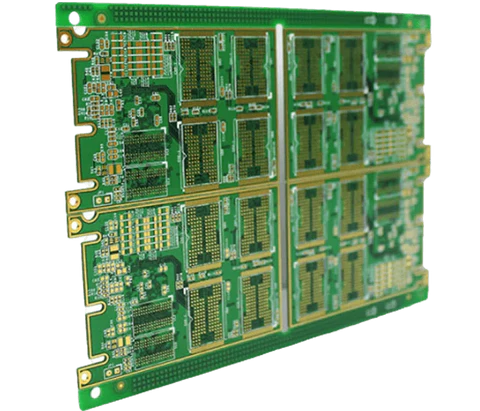
What Is a Multilayer PCB? A Multilayer PCB is a printed circuit board composed of three or more conductive copper layers laminated together with insulating dielectric materials. Compared to single-sided or double-sided boards, Multilayer PCB technology allows significantly higher circuit density and more complex routing structures. Modern electronic systems increasingly require compact size, high speed...

HDI PCB – High Density Interconnect PCB for Advanced Electronics

What Is HDI PCB? HDI PCB (High Density Interconnect PCB) is a printed circuit board designed with higher wiring density per unit area compared to traditional multilayer PCBs. It uses advanced manufacturing technologies such as microvias, blind vias, buried vias, and fine line traces to achieve compact size and improved electrical performance. HDI PCB is...

Controlled Impedance PCB – High Speed PCB for Reliable Signal Transmission

What Is a Controlled Impedance PCB? A Controlled Impedance PCB is a printed circuit board engineered to maintain a precise and consistent impedance value along specific signal traces. Impedance control is critical in high speed and high frequency electronic systems where signal integrity directly affects performance and reliability. In modern electronic designs, signals travel at...

Rigid-Flex PCB – High Reliability Hybrid PCB for Compact and Complex Electronic Designs

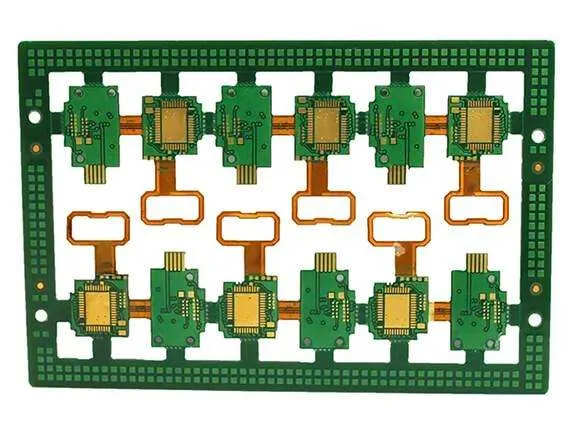
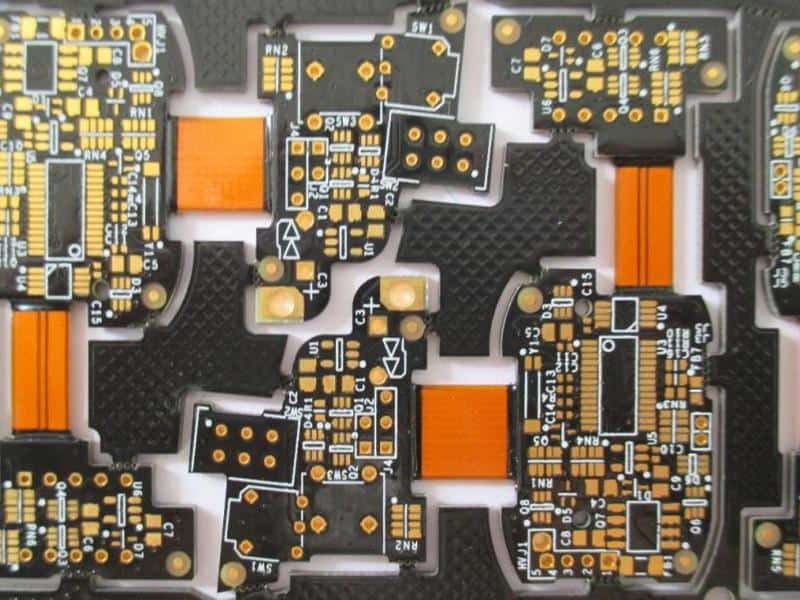
What Is a Rigid-Flex PCB? A Rigid-Flex PCB is a hybrid printed circuit board that integrates rigid PCB sections and flexible circuit layers into a single unified structure. Unlike traditional PCB assemblies that use connectors or cables between separate boards, a Rigid-Flex PCB eliminates mechanical interconnections by embedding flexible layers within the rigid stack-up. Rigid-Flex...

High TG PCB – High Glass Transition Temperature PCB for High Reliability Applications

What Is a High TG PCB? A High TG PCB is a printed circuit board fabricated using high glass transition temperature (TG) laminate materials, typically with TG values above 170°C, 180°C, or even 200°C depending on application requirements. The glass transition temperature (TG) refers to the temperature at which the PCB substrate transitions from a...

Blind Via PCB – High Density Interconnect PCB for Compact and High Speed Designs

What Is a Blind Via PCB? A Blind Via PCB is a type of printed circuit board that contains vias connecting internal layers to one or more outer layers without passing completely through the board. Unlike through-hole vias, blind vias help: Reduce board size Increase routing density Optimize multilayer stack-ups Support HDI (High Density Interconnect)...

High Current PCB Manufacturing for Power Electronics and Industrial Applications

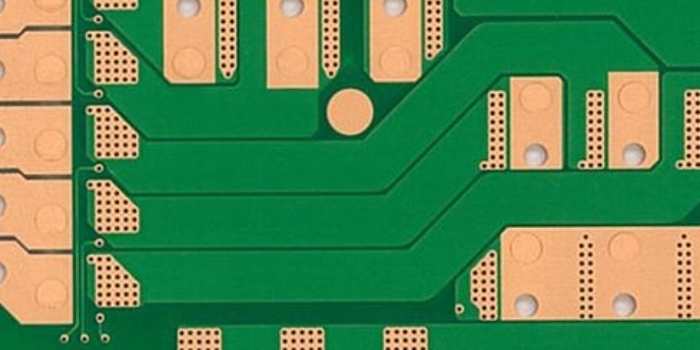
What Is a High Current PCB? A High Current PCB is a printed circuit board specifically designed to carry large currents while maintaining electrical stability and thermal reliability. These PCBs are commonly used in power electronics, automotive inverters, industrial automation, renewable energy systems, and high-current semiconductor testing. High current PCBs typically feature thick copper layers,...