
1. The Evolution of ADAS Electronics in Modern Vehicles
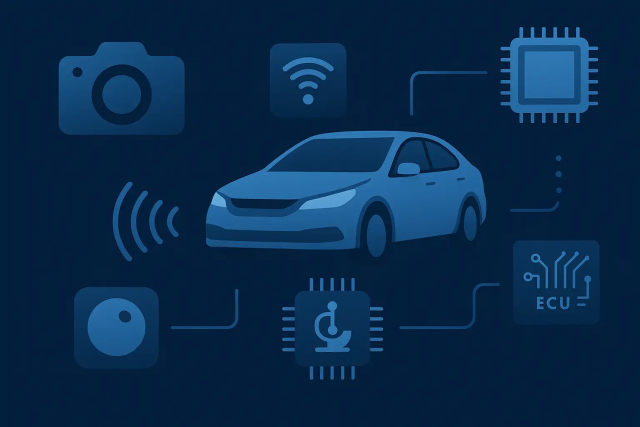
The automotive industry is entering a new era driven by:
- Autonomous driving technology
- Intelligent sensing systems
- AI-assisted vehicle control
- Smart transportation infrastructure
As vehicles become more intelligent, the complexity of automotive electronic systems continues to increase dramatically.
Modern Advanced Driver Assistance Systems (ADAS) now integrate:
- Millimeter-wave radar
- AI processors
- High-resolution camera modules
- LiDAR systems
- Vehicle communication networks
These technologies require advanced ADAS PCB architectures capable of delivering:
- High-speed signal transmission
- Real-time sensor communication
- Stable RF performance
- Automotive-grade reliability
At KKPCB, advanced automotive PCB solutions are optimized for:
- Autonomous driving systems
- Automotive radar modules
- High-density AI vehicle electronics
2. Core Electronic Architectures in ADAS PCB Systems
Modern ADAS platforms contain multiple interconnected PCB subsystems, including:
- Sensor processing boards
- Radar RF modules
- AI computing units
- Vehicle communication interfaces
- Power distribution systems
Each subsystem requires different PCB technologies to ensure:
- Fast data synchronization
- Reliable signal transmission
- Stable power delivery
- Long-term operational safety
High-density multilayer PCB design is essential because ADAS systems continuously process large amounts of sensor data in real time.
3. Automotive Radar PCB Design for ADAS
Automotive radar is one of the most critical technologies in autonomous driving systems.
Radar modules operate at extremely high frequencies and require:
- Low-loss RF PCB materials
- Precise controlled impedance routing
- Stable antenna integration
- High-frequency signal integrity optimization
Radar PCB design focuses on:
- Minimizing insertion loss
- Reducing RF interference
- Maintaining stable microwave transmission
Advanced RF multilayer PCB structures improve:
- Object detection accuracy
- Long-range sensing capability
- Environmental reliability
At KKPCB, RF PCB engineering solutions support:
- mmWave automotive radar systems
- Vehicle sensing platforms
- Autonomous navigation electronics
4. High-Speed Signal Integrity in ADAS PCB
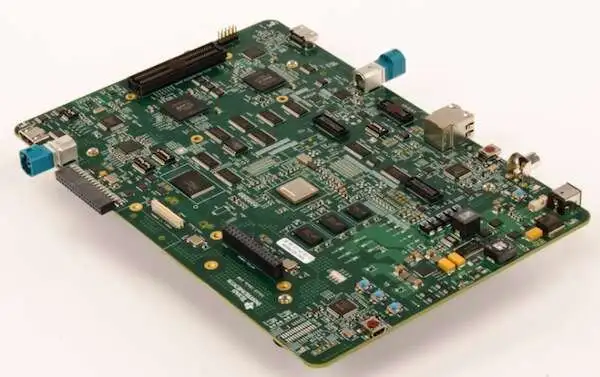
ADAS systems transmit massive amounts of real-time data between:
- Cameras
- AI processors
- Radar sensors
- Vehicle communication modules
Poor signal integrity can result in:
- Sensor latency
- Communication instability
- Data synchronization errors
ADAS PCB routing therefore requires:
- Controlled impedance design
- Differential pair matching
- Ground plane continuity
- Crosstalk suppression techniques
Optimized signal integrity design improves:
- Sensor fusion accuracy
- Autonomous driving response speed
- Communication stability
5. HDI and Multilayer PCB Technology in ADAS Systems
Modern ADAS electronics require:
- Compact PCB size
- High component density
- Complex multilayer routing capability
HDI PCB technology supports:
- Fine-pitch BGA integration
- Blind and buried via structures
- High-density interconnection routing
Multilayer ADAS PCB stack-up design improves:
- EMI suppression
- Signal isolation
- High-speed routing efficiency
These advanced PCB structures allow automotive manufacturers to:
- Reduce system size
- Improve AI computing integration
- Increase sensor processing capability
6. Thermal Management Challenges in ADAS PCB
ADAS electronics generate substantial heat from:
- AI accelerator chips
- Radar processing units
- High-speed networking ICs
- Vehicle power systems
Thermal management becomes critical because excessive heat can reduce:
- Signal stability
- Sensor reliability
- Electronic lifespan
ADAS PCB thermal solutions include:
- Thermal via arrays
- Copper balancing structures
- Heat-spreading planes
- Advanced thermal interface materials
Efficient thermal management improves:
- Vehicle safety system stability
- Radar processing consistency
- Long-term automotive reliability
7. EMC and EMI Optimization for Automotive PCB Systems
Automotive environments contain significant electromagnetic noise sources.
ADAS PCB systems must operate reliably despite:
- High-current switching systems
- Wireless communication interference
- Motor-generated noise
- External RF interference
EMC optimization techniques include:
- Ground shielding structures
- RF via fencing
- Layer isolation design
- Controlled return current paths
These methods improve:
- Vehicle communication stability
- Radar detection accuracy
- Automotive EMC compliance performance
8. Automotive-Grade Reliability Requirements
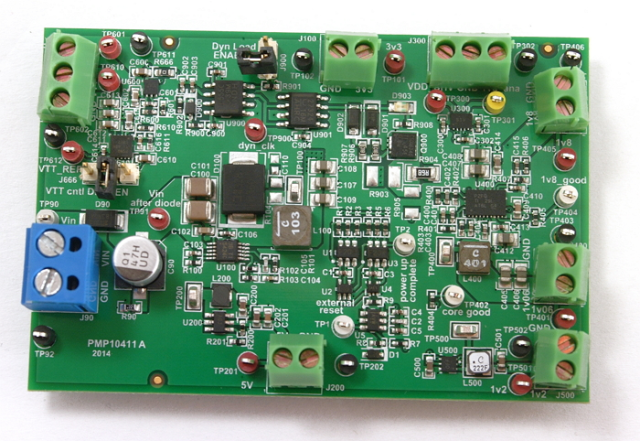
ADAS PCB systems must survive harsh operating environments including:
- Extreme temperatures
- Mechanical vibration
- Moisture exposure
- Thermal cycling conditions
Automotive PCB manufacturing therefore requires:
- High-reliability soldering processes
- Stable multilayer lamination
- Precision impedance control
- Strict quality inspection systems
Reliability validation includes:
- Thermal shock testing
- Vibration testing
- X-ray inspection
- Electrical continuity analysis
At KKPCB, advanced quality systems ensure:
- Automotive compliance
- Long-term PCB durability
- Stable autonomous driving electronics performance
9. Future Development Trends of ADAS PCB
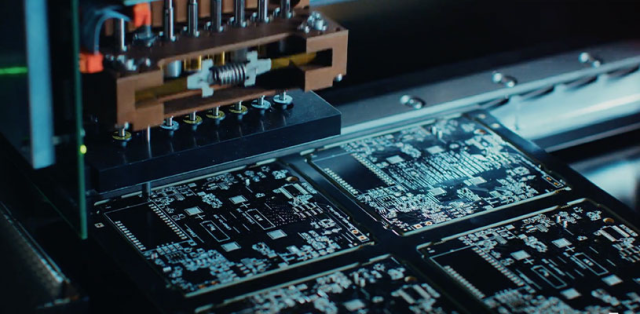
Future ADAS PCB technology will continue evolving toward:
- Fully autonomous driving platforms
- AI-integrated vehicle supercomputers
- Higher-frequency radar systems
- Vehicle edge computing architectures
- Ultra-high-density multilayer PCB integration
Emerging technologies will require:
- Faster sensor communication
- Lower RF transmission loss
- Better thermal efficiency
- More compact automotive electronic systems
Advanced PCB manufacturing will play a critical role in enabling:
- Safer autonomous vehicles
- Smarter transportation systems
- More reliable vehicle communication networks
10. Conclusion
ADAS PCB technology has become a core foundation of modern intelligent vehicle systems.
By combining:
- RF multilayer PCB engineering
- High-speed signal integrity optimization
- Automotive thermal management
- HDI PCB technology
- Automotive-grade manufacturing precision
engineers can develop:
- Reliable autonomous driving systems
- Stable radar communication platforms
- High-performance AI vehicle electronics
With extensive experience in automotive electronics manufacturing and RF PCB engineering, KKPCB provides advanced PCB solutions for next-generation autonomous vehicle technologies.
