HomeTag

PCB manufacturing - KKPCB

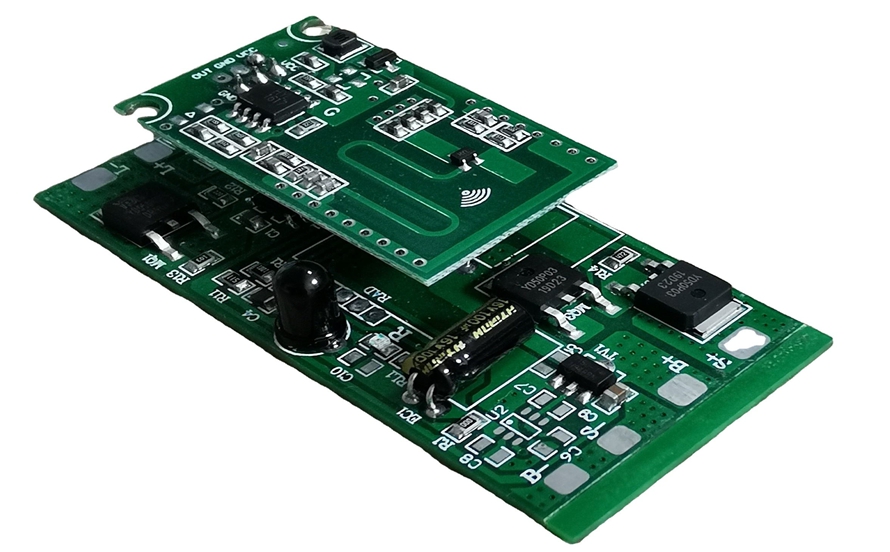
Explore how KKPCB engineers world-class radar PCBs for automotive, aerospace, and defense applications. Learn about design techniques, RF materials, and manufacturing precision for frequencies up to 77 GHz.

Radar PCB Overview Radar PCBs represent the pinnacle of high-frequency circuit design, bridging advanced RF engineering and precise manufacturing. These specialized boards operate in the 1 GHz – 77 GHz range, demanding exceptional signal integrity, low loss materials, and extreme reliability — especially in mission-critical applications like automotive radar, aerospace, and defense. KKPCB has extensive...
SMT Assembly Instructions: A Beginner’s Guide

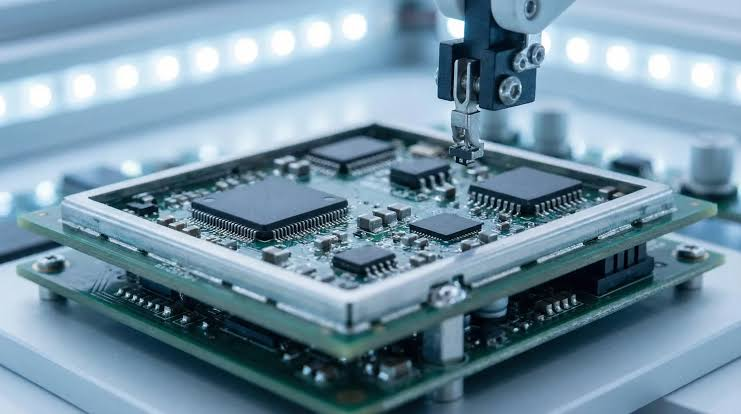
Electronic devices have transformed our lives, from smartphones to electric vehicles, all thanks to continuous innovation and advancements in technology. At the heart of these devices are printed circuit boards (PCBs) that are meticulously manufactured, assembled, and packaged to deliver the final products we rely on. This article explores the PCB Surface Mount Technology (SMT) assembly process,...

SMT Assembly vs Through-Hole Assembly: Advantages and Disadvantages

When it comes to assembling Printed Circuit Boards (PCBs), there are two primary technologies: Surface Mount Technology (SMT) assembly and Through-Hole Technology (PTH) assembly. Understanding their differences, advantages, and disadvantages is crucial for selecting the best option for your PCB-based project. This guide by Viasion experts provides a comprehensive comparison to help you make an informed decision. What...

BGA Assembly: Beginner’s Guide to Ball Grid Array Assembly

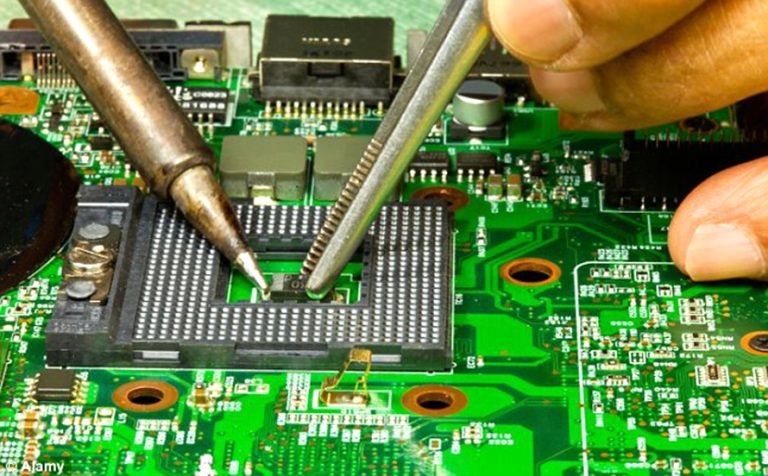
Why BGA Assembly Is Critical in Modern PCB Design As electronic devices move toward miniaturization, high-speed performance, and high pin-count integration, the Ball Grid Array (BGA) assembly has become a mainstream packaging technology in: Microprocessors (CPU/GPU) FPGAs High-speed communication ICs Memory devices (DDR, LPDDR) Compared with traditional packages (QFP, SOP), BGA offers: Higher I/O density...

How to Remove Flux from PCB?

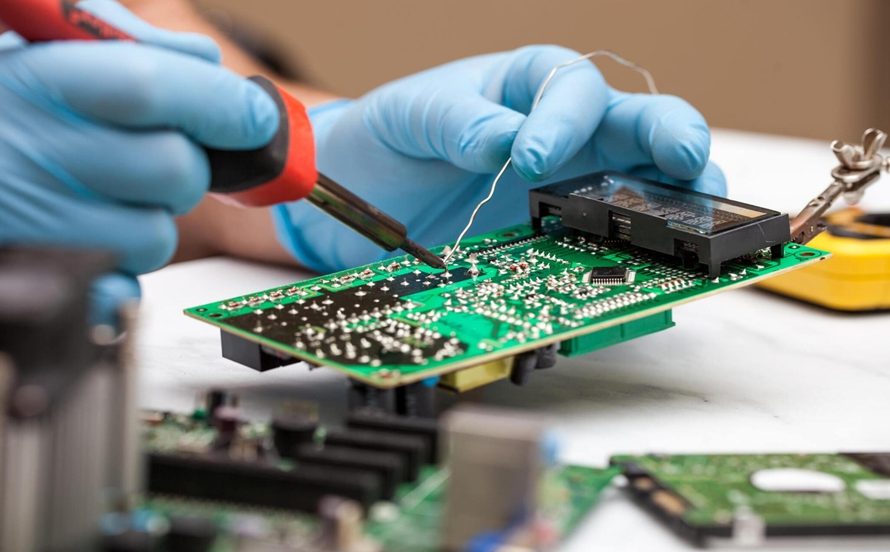
During PCB soldering and PCB assembly (PCBA), flux is widely used to ensure strong and reliable electrical connections. However, removing flux from PCB after soldering is equally important. Excess flux residue on PCB can lead to signal interference, corrosion, leakage current, and long-term reliability issues. This guide explains how to remove flux from PCB, covering...

Single-layer FPC, double-layer FPC and multi-layer FPC in PCB manufacturing

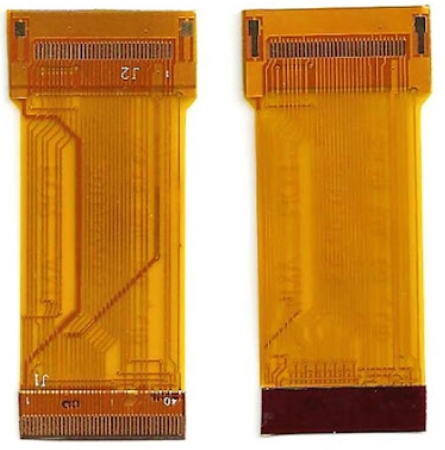
Differences between single-layer FPC, double-layer FPC and multi-layer FPC Multi-layer FPC Multi-layer FPC is to stack three or more layers of single-sided or double-sided flexible circuits together, and make metallized holes through drilling, electroplating and other processes to achieve conductive paths between different layers, so no complex welding process is required. Multi-layer circuits have great functional...

Pros and Cons of Through-Hole PCB Assembly vs. SMT PCB Assembly

Introduction: Choosing the Right PCB Assembly Method In modern electronics manufacturing, selecting the right PCB assembly method is critical for achieving optimal performance, cost efficiency, and product reliability. The two most common methods—Through-Hole PCB Assembly (THT) and SMT PCB Assembly (Surface Mount Technology)—each offer distinct advantages and limitations. Understanding the pros and cons of Through-Hole...

Difference Between PCB Manufacturing and PCB Assembly

The Printed Circuit Board (PCB) is a fundamental component of all electronic devices, serving as the “command center” that ensures their functionality. However, many business owners struggle to differentiate between PCB manufacturing and PCB assembly, often leading to suboptimal decisions. This article clarifies the distinction and importance of both processes. What is PCB Manufacturing? PCB manufacturing is the process of creating...

Optimized Guide: What is SMT Assembly?

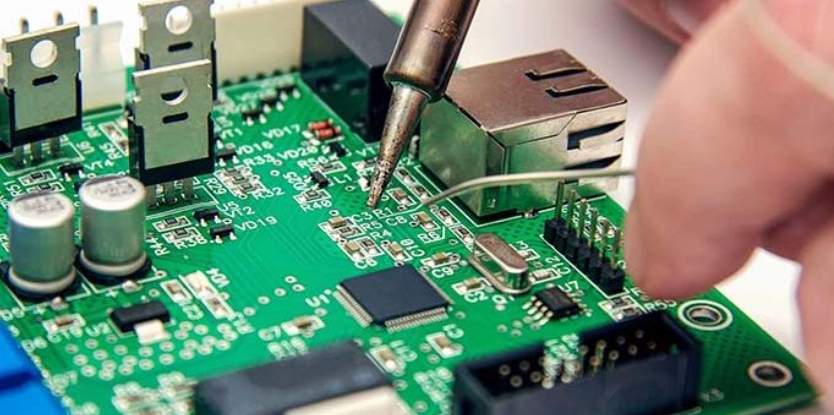
With the continuous development of electronic products toward miniaturization, higher performance, and increased production efficiency, traditional through-hole assembly methods are gradually being complemented by more advanced manufacturing technologies. SMT (Surface Mount Technology) assembly is one of the most widely used electronic manufacturing processes today. It enables electronic components to be mounted directly onto the surface...