HomeCategory

PCB Manufacturing Services | High-Quality PCB & PCBA - KKPCB

Benefits of Using HDI Technology

HDI technology offers several benefits that can improve project outcomes compared to other options. With the right design and the right supplier, using HDI boards in your product can improve the overall quality and performance of your product, as well as customer satisfaction and profits. Other benefits include Smaller Size and Lighter Weight: With HDI boards, you can...

Overview of Copper Foil for PCB Laminates

Copper foil is one of the most fundamental materials in PCB manufacturing. Although it may appear to be a simple conductive layer, its properties directly influence signal integrity, insertion loss, thermal performance, reliability, and manufacturing quality. As PCB technologies continue evolving toward: High-frequency RF applications High-speed digital systems Advanced automotive electronics 5G communication equipment Miniaturized...

Some Factors Affecting the Performance of Microstrip Patch Antennas

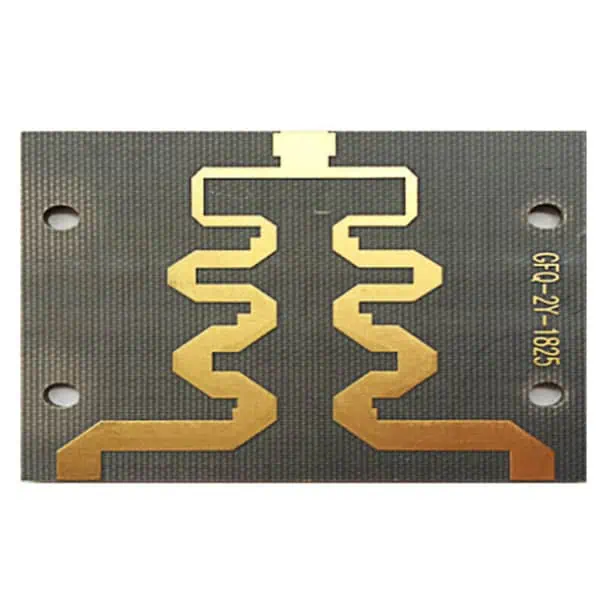
With the rapid development of wireless communication technologies, microstrip patch antennas have become widely used in applications such as 5G communication systems, satellite communication, radar equipment, IoT devices, automotive electronics, and wearable devices. Compared with traditional antenna structures, microstrip patch antennas offer advantages including low profile, lightweight construction, easy integration with PCB circuits, and suitability...

About PCB Layer Stackup

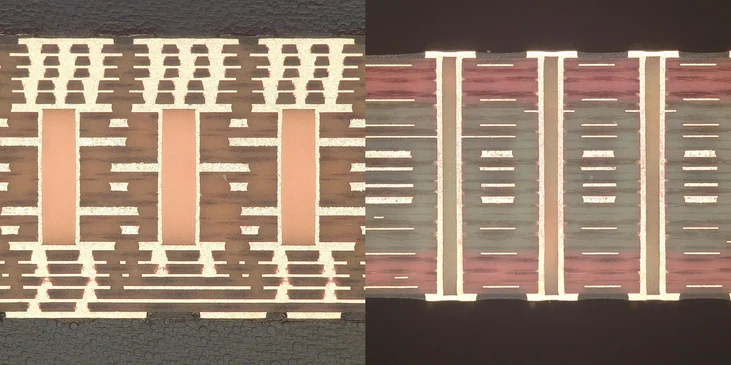
A PCB Layer Stackup refers to the arrangement of conductive copper layers and insulating dielectric materials that make up a multilayer PCB. In the era of high-speed digital electronics and 5G, the stackup is no longer just a mechanical carrier; it is a critical tool for managing signal integrity, power distribution, and electromagnetic compatibility (EMC). A well-engineered stackup from KKPCB ensures...

Advantages of Using Aluminum-Based PCBs

As electronic products continue developing toward higher power density, smaller size, and improved reliability, thermal management has become a critical challenge in PCB design. Excessive heat accumulation can negatively affect electronic systems by causing: Component aging Reduced performance Shortened product lifetime Increased failure risk Traditional FR-4 PCBs may not always provide sufficient heat dissipation capability...

Why You Need Rigid Flexible Circuits From KKPCB

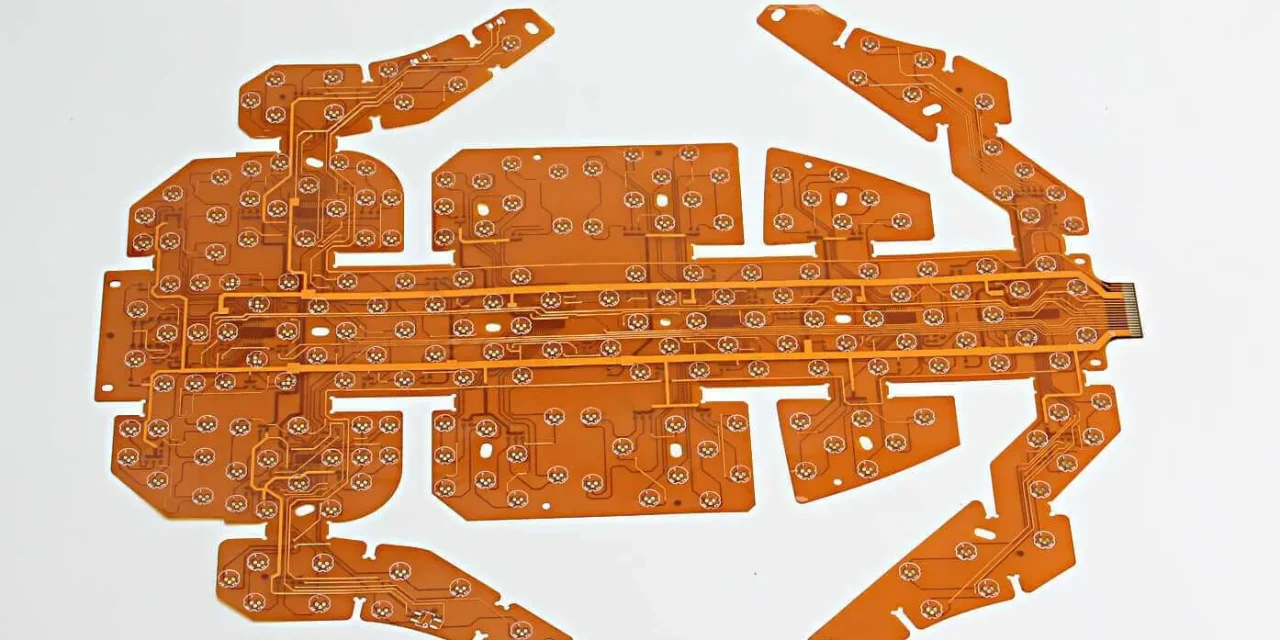
These PCBs create a more challenging design for rigid-flex manufacturers, but we’ve been able to supply successful designs with full compliance and reliability. By engineering these in a 3D environment, we’re able to achieve spatial efficiency and incorporate folds and flexes to help you meet the desired shape that works best with your application. A rigid-flex printed...

What is an HDI printed circuit board?

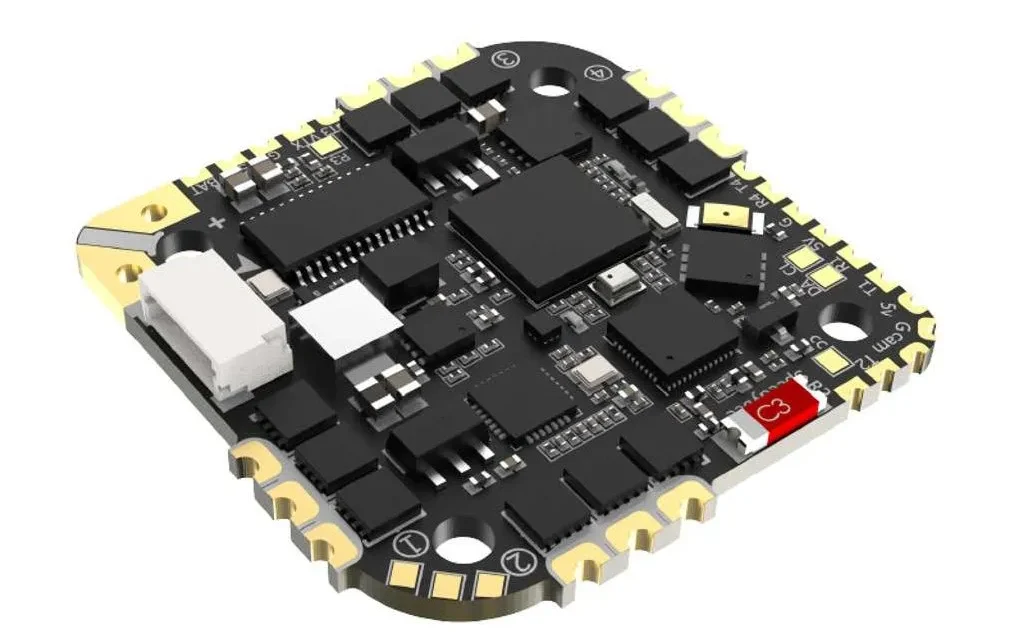
HDI printed circuit board have a higher density per unit circuit than traditional PCBs. They use a combination of buried and blind vias and microvias (0.006 inches in diameter or less). A high-density board is a PCB that has one or more of the following features: Through and buried vias Through surface-to-surface vias At least...

How to avoid radio frequency and microwave PCB design issues

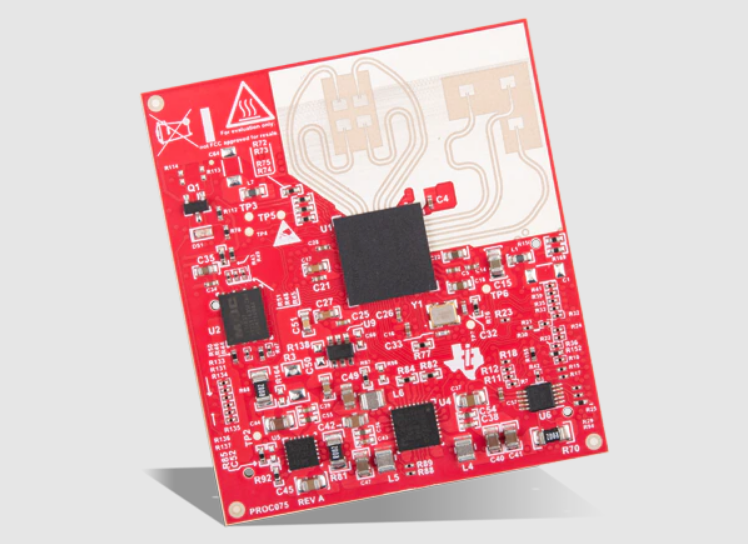
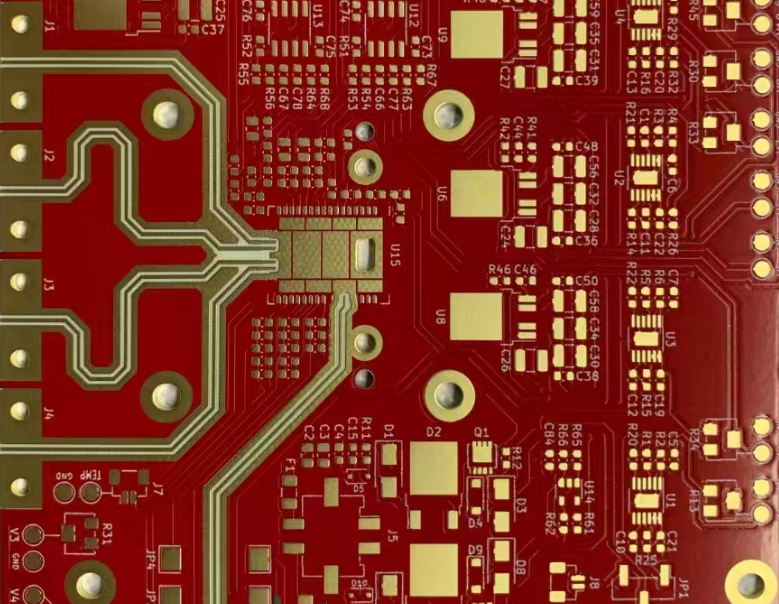
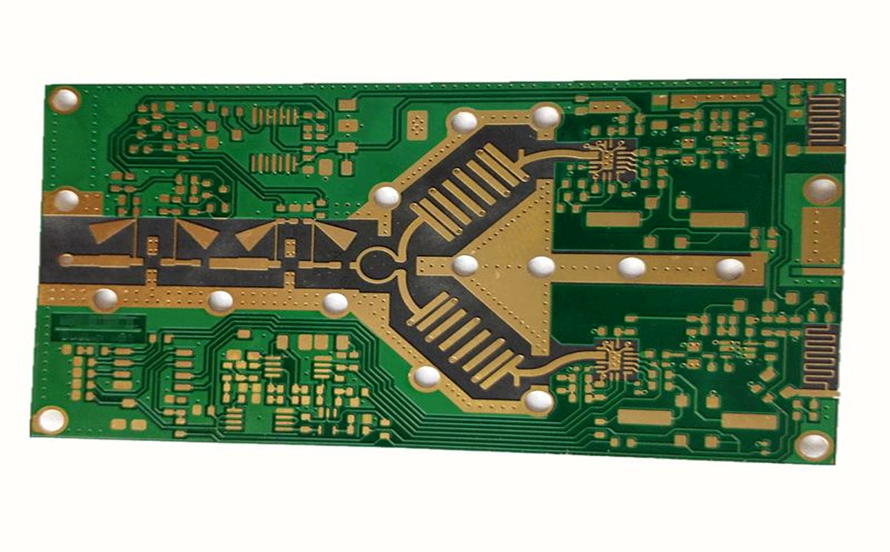
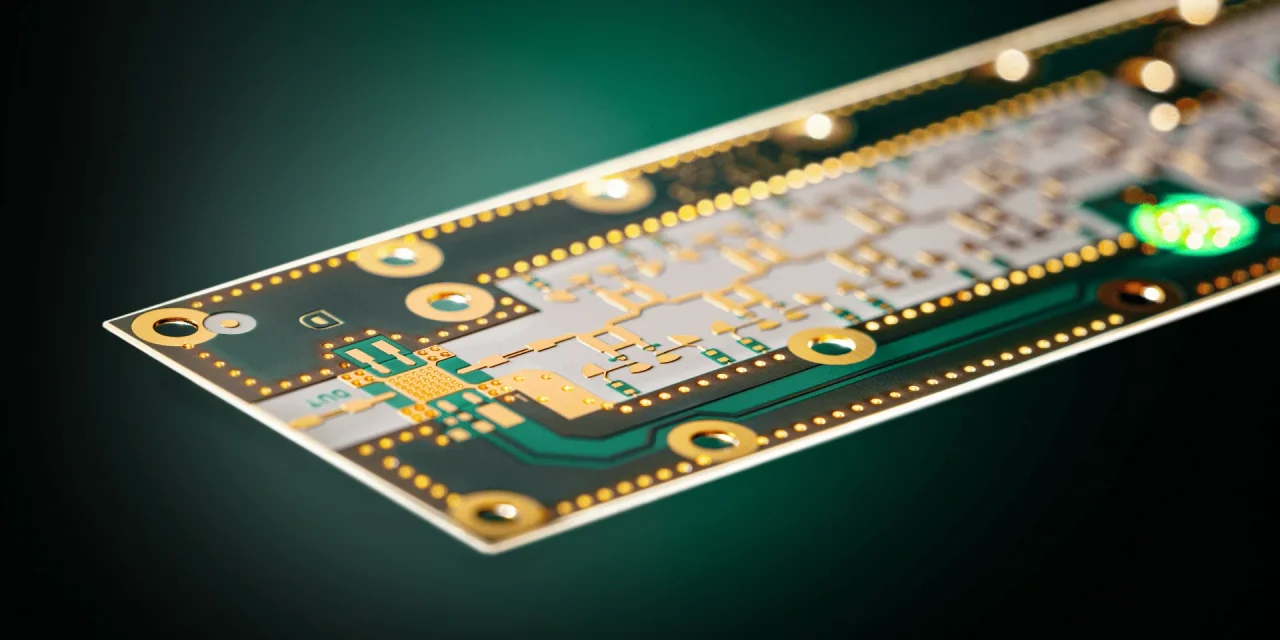
With the rapid development of wireless communication, radar systems, satellite communication, automotive electronics, and high-frequency industrial applications, RF (Radio Frequency) and microwave PCB technology has become increasingly important. Unlike conventional low-frequency PCB designs, RF and microwave circuits operate at higher frequencies where even small variations in PCB structure can significantly affect electrical performance. Common design...

What is the difference between flexible PCB and just scratching the printing circuit board?

1. What Is a Flexible PCB? A flexible PCB (Flex PCB) is a specially engineered printed circuit board made from flexible materials such as polyimide. It is designed to bend, twist, or fold without damaging the circuit. Key Characteristics: Built on flexible substrates (e.g., polyimide) Designed for dynamic or static bending High reliability under mechanical...

N4800-20 High-Speed Multifunctional Epoxy Laminate & Prepreg

As the demand for high-bandwidth data transmission and 5G infrastructure grows, the choice of PCB base materials becomes a critical factor in system performance. N4800-20, developed by Nelco, is a high-speed, multifunctional epoxy laminate and prepreg system designed specifically for the next generation of high-speed digital (HSD) applications. It offers a unique balance of thermal reliability and superior signal integrity, making...