Blog

Explore the KKPCB Blog for the latest PCB manufacturing and assembly news, industry insights, expert tips, and technology trends, helping you stay informed and optimize your electronics projects.
High Quality 10 Layer PCB Manufacturing High Quality 10 Layer PCB Manufacturing and Stack-up

Guidelinesand Stack-up Guidelines Printed circuit boards (PCBs) are becoming increasingly complex to accommodate higher density components and more sophisticated functionality. A growing trend is the use of boards with a large number of layers – 8, 10, 12 or more. In particular, many advanced designs are moving to 10 layer PCBs. While providing more real estate...

PCB special process classification

The special processes of PCB include but are not limited to the following categories: 1.Ultra-thin board and ultra-thick board: Ultra-thin board refers to a PCB with a thickness smaller than the standard thickness, while ultra-thick board refers to a PCB with a thickness greater than the standard thickness. These processes are often used in specific electronic products,...

PCB printed circuit board special processing technology

With the continuous development of electronic products toward higher performance, smaller size, higher integration, and improved reliability, traditional PCB manufacturing processes are increasingly unable to meet the requirements of advanced applications. To achieve specific electrical, mechanical, thermal, and reliability performance, PCB manufacturers have developed various special processing technologies beyond standard fabrication processes. PCB special processing...

Optimized Article: How to Assemble Flexible PCBs?

Introduction to Flexible Printed Circuit Boards (Flexible PCBs) Flexible printed circuit boards (flexible PCBs or flex circuits) are made from flexible insulating materials such as polyimide film. Unlike traditional rigid PCBs, flexible PCBs can bend and twist while maintaining electrical connectivity, making them ideal for space-constrained and dynamic applications. Key Advantages of Flexible PCBs: Bendability and...

How to Design a 2-Layer Flex PCB

Flexible PCBs (printed circuit boards) provide the ability to bend and conform to various shapes, making them an essential technology for space-constrained and dynamic applications. A 2-layer flex PCB contains a flexible dielectric layer sandwiched between two conductive copper layers. Designing these PCBs requires unique considerations, including material selection, layout techniques, manufacturability, and reliability. This guide outlines a step-by-step...

What is Flexible PCB Assembly: Advantages and Process

Flexible printed circuit boards (PCBs) are a cornerstone of modern electronics, found in devices like smartphones, cameras, and electric vehicles. Unlike traditional rigid PCBs made from FR4 (flame retardant material), flexible PCBs utilize polymer substrates such as polyimide, resulting in their signature amber or orange appearance. These boards offer enhanced versatility, lighter weight, and better adaptability...

Comprehensive Guide to RF PCB Design

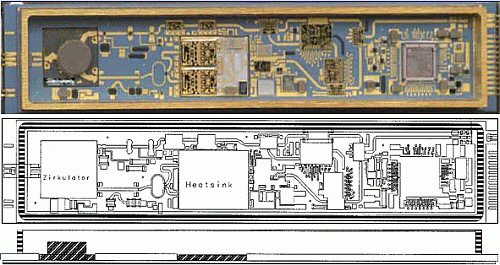
The rise of high-tech electronic devices, from smartphones to IoT-enabled gadgets, has fueled the demand for Radio Frequency (RF) PCBs, which facilitate wireless communication by transmitting and receiving RF signals. While RF PCB design shares some similarities with traditional PCB design, it introduces unique complexities such as signal integrity, impedance matching, and high-frequency performance. This article...

Annular Ring in PCB: Key Considerations for Design and Manufacturing

In PCB design and manufacturing, every detail of the circuit structure can influence the reliability and performance of the final product. Among these details, the annular ring is a critical but often overlooked factor that directly affects via reliability, electrical connectivity, and manufacturing yield. The annular ring refers to the copper area surrounding a drilled...

How to Choose the Right Material for Flexible LED PCB

Introduction: Why Material Selection Matters in Flexible LED PCB In modern LED lighting applications, selecting the right material for a flexible LED PCB is critical to achieving optimal thermal performance, flexibility, and long-term reliability. As LED products continue to evolve toward thin, lightweight, and bendable designs, the importance of choosing the correct flexible PCB material...