KKPCB Blog – PCB & PCBA Insights, News, and Tips - KKPCB
 

Blog

Explore the KKPCB Blog for the latest PCB manufacturing and assembly news, industry insights, expert tips, and technology trends, helping you stay informed and optimize your electronics projects.
Advanced PCBs – Design, Manufacturing, and Assembly

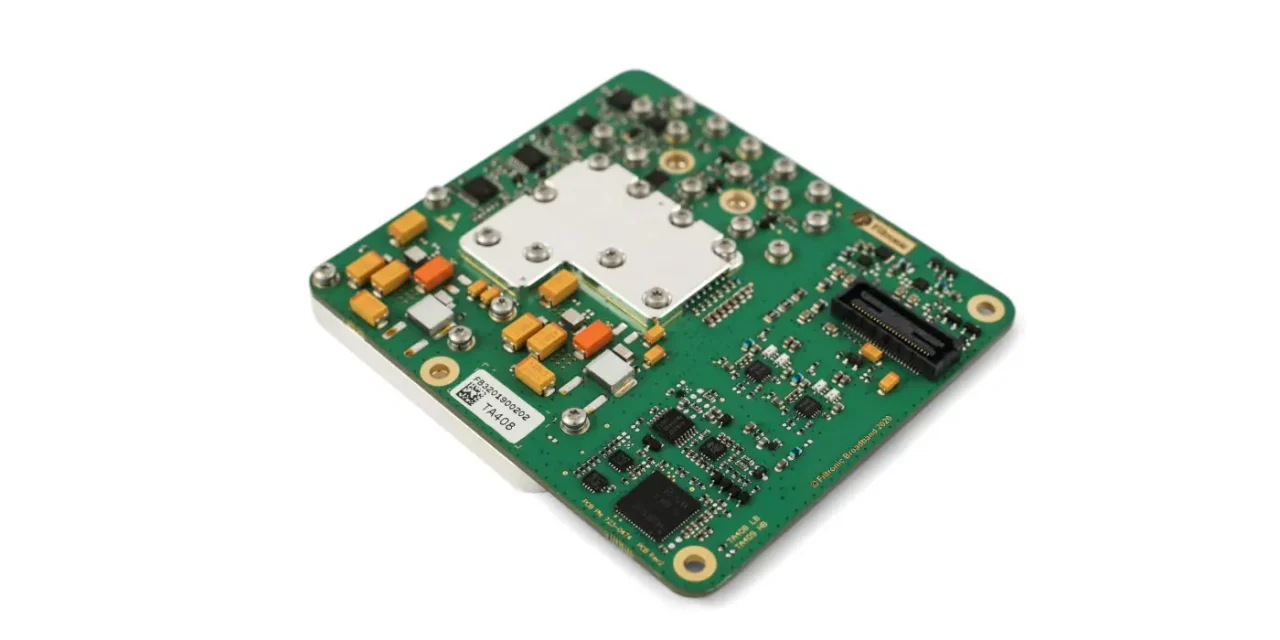
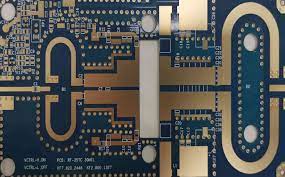
Advanced PCBs represent the cutting edge of printed circuit board technology, enabling compact, high-performance, and highly reliable electronic systems for demanding applications such as 5G/6G infrastructure, ADAS automotive radar, AI computing, aerospace electronics, Industrial IoT, and medical devices. These boards go far beyond standard FR-4 designs, incorporating HDI (High-Density Interconnect), rigid-flex, high-frequency low-loss materials, heavy...

Flexible PCB Manufacturing Process: Flexible Circuit Board (FPC)

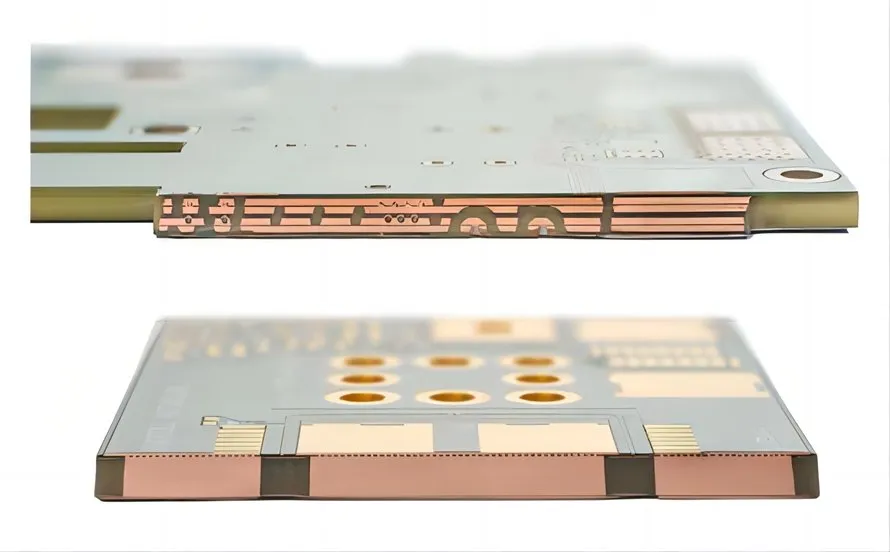
Flexible PCB or Flexible Printed Circuit Boards (FPCBs) play a crucial role in modern electronics, offering flexibility, space-saving benefits, and reliability in a wide range of applications. In this article, we’ll explore the manufacturing process of flexible PCBs, from design to assembly, and discuss their diverse applications in electronic devices. What is a Flexible PCB (FPCB)? A flexible printed circuit...

Multilayer PCB Manufacturing Process: A Complete Step-by-Step Guide

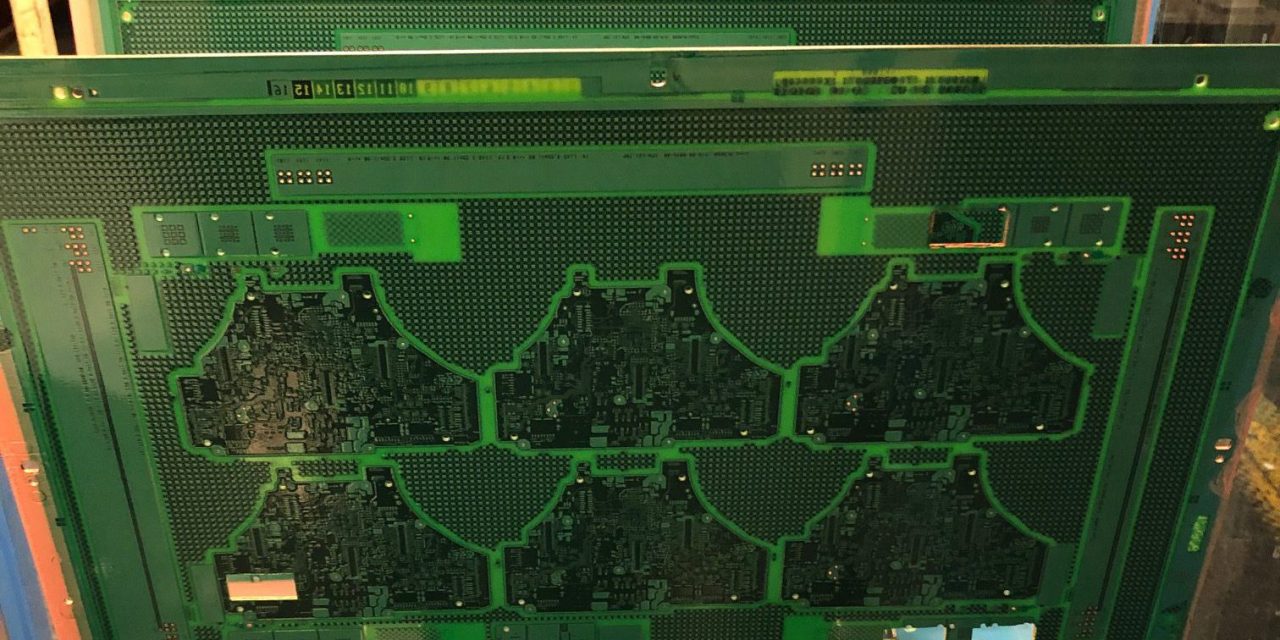
Multilayer printed circuit boards (PCBs) are widely used in modern complex electronics. These PCBs consist of multiple layers of conductive materials stacked on top of each other, enabling the design of more complex circuits with higher functionality. Such complex PCBs are used in various fields such as industrial automation, aerospace, military and medical devices, computers, and...

PCB Substrate and Core Materials: A Comprehensive Guide

The Printed Circuit Board (PCB) is a fundamental component in all modern electronics, providing the platform for the electronic components and circuits. The performance, durability, and overall quality of a PCB are heavily influenced by the materials used for its substrate and core. This comprehensive guide explores the different types of PCB substrate and core materials, their properties, applications, and why they are...

Turnkey PCB Assembly: A Comprehensive Guide to Efficient and Reliable Electronics Manufacturing

Turnkey PCB assembly is rapidly becoming a preferred solution for businesses seeking a comprehensive, one-stop service for printed circuit board (PCB) manufacturing and assembly. In the fast-paced electronics industry, efficiency, speed, and reliability are key to maintaining competitiveness. By streamlining the entire process from design to delivery, turnkey PCB assembly services allow companies to focus on research and development...

PCB Substrate Materials: Understanding the Types of PCB Materials

PCB (Printed Circuit Board) substrate materials are the backbone of a PCB assembly, providing the necessary foundation for copper tracks and electronic components. The choice of PCB material plays a critical role in determining the performance, durability, and overall reliability of the PCB. These materials can be resin-based, fiberglass-based, epoxy-glass, metal-based, or flame-retardant, and they are...

PCB for SMT (Surface Mount Technology): Choosing the Right PCB for SMD Components

What is a PCB? A Printed Circuit Board (PCB) is a vital component in almost every electronic product. It serves as the foundation for connecting electronic components through conductive paths (traces), typically made of copper. The traces facilitate the flow of electrical current, enabling electronic devices to function. A PCB can be made of various materials, such...

Advantages and Applications of Double-Sided PCB

What is a Double-Sided PCB? A Double-Sided PCB (also known as a Double-Layer PCB) is a type of printed circuit board where both sides of the substrate are used for placing electronic components and conductive copper traces. Unlike single-sided PCBs, which have a copper layer on only one side, double-sided PCBs feature conductive layers on both sides of the board, connected via plated-through holes (PTH),...

SMT Troubleshooting: Common Issues and Solutions for Surface Mount Technology

Why SMT Troubleshooting Matters In modern electronics manufacturing, Surface Mount Technology (SMT) is widely used for high-density PCB assembly, automated production, and high-speed manufacturing. However, even with advanced equipment, SMT processes can encounter defects that affect product reliability, yield, and performance. Effective SMT troubleshooting is essential to identify root causes, optimize processes, and ensure high-quality...

Ball Grid Array (BGA) Package

What is Ball Grid Array (BGA) Ball Grid Array or BGA is a leadless surface mount package (SMD component). This type of surface mount package is used in surface mount technology (SMT) and utilizes an array of metal balls called solder balls for electrical interconnection. The solder balls are attached to a laminate substrate at the bottom of the...