HomeTag

Rogers PCB - KKPCB

Engineering Low Dissipation Factor PCBs for High-Frequency and RF Performance

1. Engineering Context  As electronic systems push into higher frequencies—5G, mmWave sensing, radar, satellite communication, and precision instrumentation—the dissipation factor (Df) of PCB materials has become a primary performance determinant.A Low Dissipation Factor PCB minimizes dielectric loss, preserves signal integrity, and ensures stable operation at frequencies where traditional FR-4 rapidly degrades. Low Df PCBs bridge...
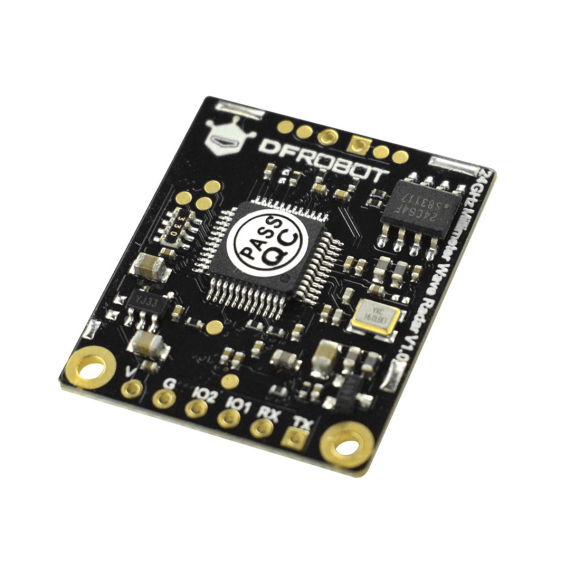
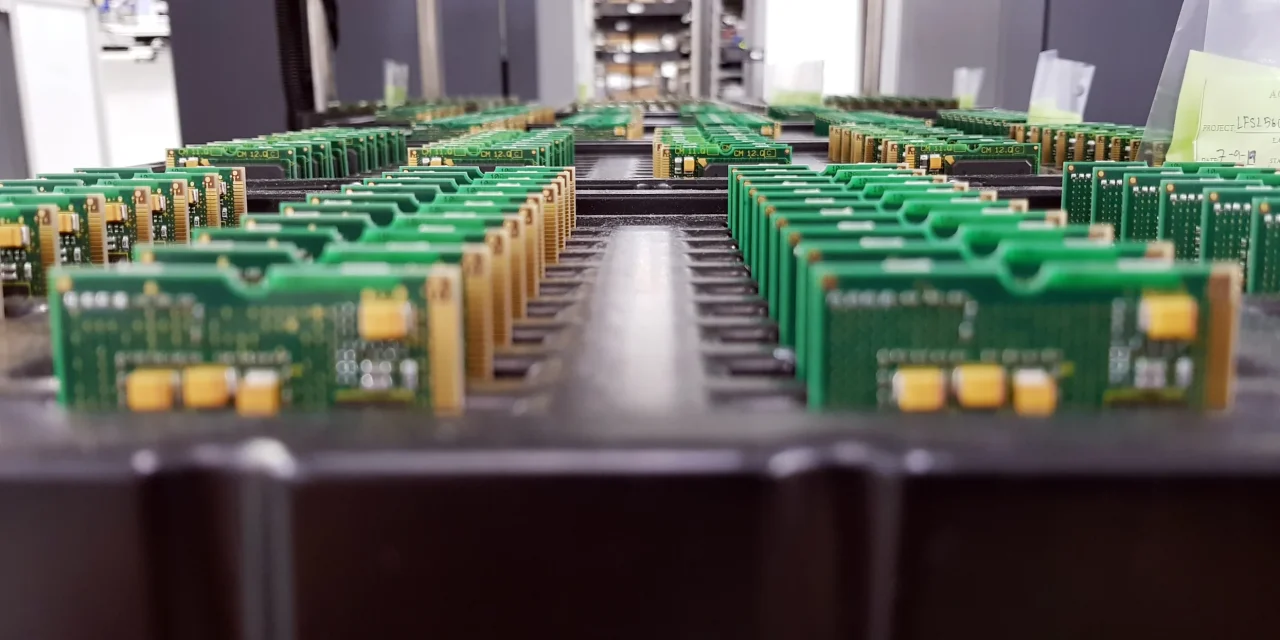
mmWave Module PCB Engineering for High-Frequency, Low-Loss and Thermally Stable RF Front-End Systems

The shift toward 5G FR2, advanced radar, high-resolution sensing and satellite communication has placed intense performance pressure on mmWave Module PCB design. At frequencies from 24 GHz to 86 GHz, the PCB is no longer a passive carrier—it becomes an active RF component whose materials, stackup, via transitions and routing geometries directly dictate performance. A...

Maximize RF Power Handling and Phase Stability Using RO4350B PCB Laminates in High-Frequency Antenna Modulegs

Modern wireless systems—from 5G radio units and phased-array antenna modules to automotive radar and satellite communication terminals—demand PCBs that deliver high RF power handling, exceptional phase stability, and ultra-low loss. As antenna modules continue to shrink while operating at higher frequencies, selecting the correct laminate becomes a mission-critical design decision. Among all mid-frequency RF substrates,...

Achieve Ultra-Consistent Dk/Df Performance Through RO4835 PCB Engineering for 5G Massive-MIMO Radio Units

The Importance of Dk/Df Stability in 5G Systems As 5G communication systems continue to evolve, especially in Massive MIMO radio units, maintaining ultra-consistent dielectric constant (Dk) and dissipation factor (Df) is critical for ensuring stable RF performance and reliable high-speed signal transmission. In high-frequency RF PCB design, even small variations in Dk/Df performance can lead...

Low Loss PCBs Explained: Materials, Features & High-Frequency Performance

What Is a Low Loss PCB? Premium Materials, Performance Advantages & Applications In high-frequency electronics, signal integrity is everything. As data rates climb and RF systems move into the mmWave range, traditional FR-4 PCBs quickly become inadequate due to excessive dielectric loss, copper loss and thermal instability. At KKPCB, we engineer Low Loss PCBs specifically...

PTFE PCB Explained: Properties, Advantages, Applications & Comparison with FR4

Understanding PTFE PCB: A Comprehensive Technical Overview Printed circuit boards (PCBs) form the backbone of modern electronic systems. While FR4 remains the industry standard for general-purpose PCB manufacturing, PTFE PCBs occupy a special place in high-performance, high-frequency, and harsh-environment applications. This guide provides an in-depth exploration of PTFE PCB technology—its material properties, technical specifications, differences...

Microwave Module PCB Engineering: High-Frequency Precision & RF Performance by KKPCB

Microwave Module PCB: Precision Engineering for High-Frequency Excellence at KKPCB As wireless systems enter the microwave and millimeter-wave domain—from 2 GHz radar to 30 GHz satellite links and even 77 GHz ADAS—the role of the Microwave Module PCB becomes mission-critical. These PCBs are no longer just interconnect structures; they function as precision RF substrates, thermal...

Understanding Dielectric Constant: A Comprehensive Beginner’s Guide to Rogers PCB Materials

Understanding Dielectric Constant: A Beginner’s Guide to Rogers PCB Materials If you’re stepping into the world of PCB design—especially RF, microwave, or high-frequency systems—you’ll quickly encounter two key concepts: dielectric constant (Dk) and Rogers PCB materials. These are foundational to signal behavior and overall circuit performance. The dielectric constant describes how a PCB substrate interacts...

Bluetooth PCB & Module Technology: The Engineering Core of Wireless Connectivity

1. The Foundation of Wireless Intelligence Bluetooth PCBs form the foundation of wireless connectivity in nearly every modern electronic product. These purpose-built circuit boards combine Bluetooth chips, antennas, and power control systems to enable secure, low-power communication between devices. In consumer products, they bring wireless audio to life — from headphones and speakers to smart...

Next-Generation 5G PCB Design: Materials, Layout & Engineering Challenges

Introduction 5G is not just an upgrade from 4G—it represents a technological leap forward in global connectivity. With ultra-high speed, wide bandwidth, and expanded frequency ranges such as sub-6 GHz and millimeter wave (mmWave), 5G transforms how devices communicate.At the core of this revolution lies one critical component — the Printed Circuit Board (PCB). A...