Metal Core PCB - KKPCB
 
HomeTag

Metal Core PCB - KKPCB

Thermal Management PCB: Design Strategies for Efficient Heat Dissipation in Electronics

As electronic devices become more powerful and compact, heat generation inside circuit boards has become a major engineering challenge. Excessive heat can reduce performance, shorten component lifespan, and even lead to system failure. For this reason, thermal management PCB design has become an essential part of modern electronics development. From power electronics and LED lighting...
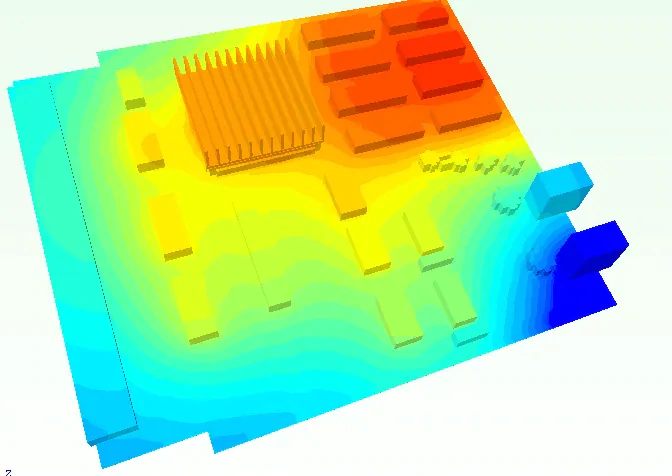
Thermal Management PCB: Advanced Heat Dissipation Solutions for High-Power Electronics

As electronic devices become more compact and powerful, effective Thermal Management PCB solutions are critical to ensure performance, reliability, and product lifespan. High-power components such as CPUs, power MOSFETs, IGBTs, LEDs, and RF amplifiers generate significant heat during operation. Without proper PCB thermal management, excessive temperature rise can lead to signal instability, reduced efficiency, and...

Thermal Management PCB: Advanced Heat Dissipation Solutions for High-Power Electronics

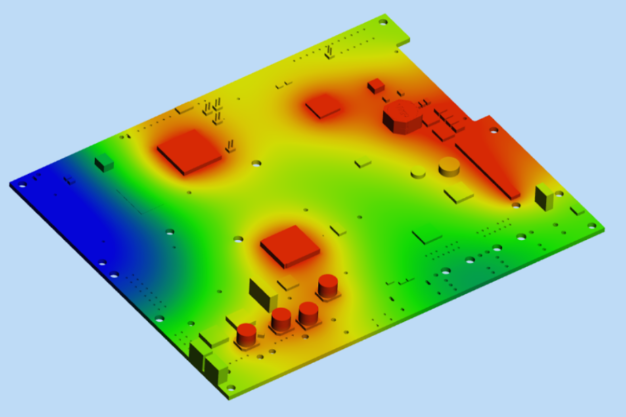
A Thermal Management PCB is a specialized printed circuit board designed to control, spread, and dissipate heat generated by electronic components. As modern electronic devices operate at higher power levels, higher frequencies, and increased component density, effective thermal management has become a critical factor in ensuring performance stability, reliability, and product lifespan. By integrating advanced...

Thermal Management PCB: Optimized Heat Dissipation Solutions for High-Power Electronics

A Thermal Management PCB is a specialized printed circuit board engineered to effectively manage heat generation in electronic systems. As devices such as automotive ECUs, 5G modules, RF circuits, power electronics, and industrial IoT devices operate at higher power densities, efficient heat dissipation becomes critical to maintain performance, reliability, and lifespan. Key Features of Thermal...

Thermal Management PCB: Efficient Heat Dissipation Solutions for High-Power Electronics

A Thermal Management PCB is a specialized printed circuit board designed to effectively manage heat generated by high-power components. As electronic devices become more compact and operate at higher currents and voltages, efficient heat dissipation is critical to maintain performance, prevent component failure, and ensure long-term reliability. These PCBs are widely used in power electronics,...

Differences in Metal Core PCB Materials: Aluminum Core vs Copper Core vs Iron Alloy Core MCPCBs

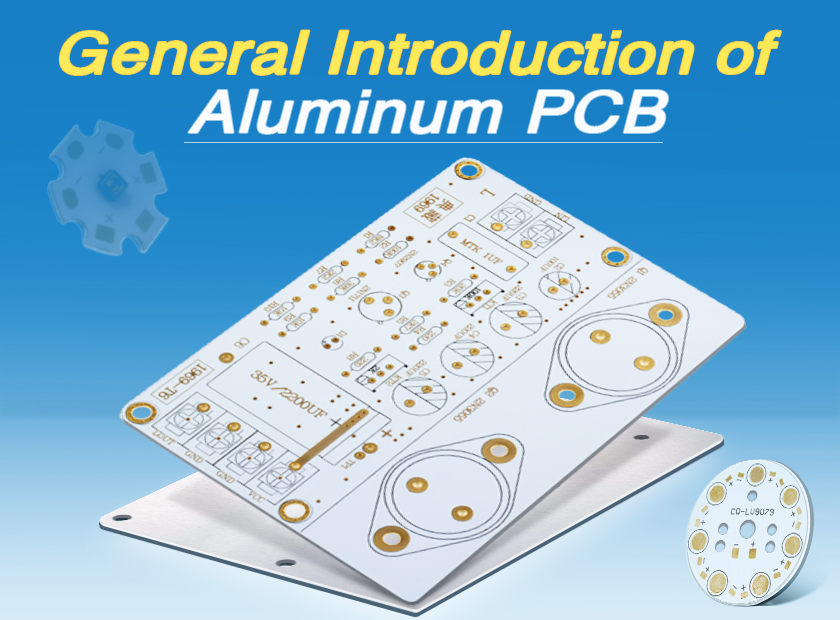
 What Is a Metal Core PCB (MCPCB)? A Metal Core Printed Circuit Board (MCPCB) uses a metal substrate—typically aluminum, copper, or iron alloy—as the core layer instead of standard FR4 dielectric material. Thanks to the high thermal conductivity of metal substrates, MCPCBs can efficiently dissipate heat generated by high-power electronic components, making them essential for:...

Thermal Conductivity of Metals in PCB Design: High vs Low Conductivity Materials Explained

1. Why Thermal Conductivity of Metals Matters in PCB Applications Metals are widely used in electronic devices and printed circuit boards (PCBs) due to their excellent electrical and thermal properties. However, not all metals conduct heat equally. High thermal conductivity metals rapidly transfer heat and are ideal for heat dissipation Low thermal conductivity metals restrict...

Aluminum PCB vs. Standard PCB: A Complete Guide to Finding the Right One for You!

1. Introduction: Why PCB Material Selection Matters In modern PCB design and manufacturing, material selection plays a decisive role in product performance, especially in applications involving high power density, heat dissipation, and reliability requirements. Two of the most commonly compared options are: Aluminum PCB (Metal Core PCB, MCPCB) Standard FR4 PCB Each type has unique...

Materials for High Temperature PCBs

High temperature PCB design is a critical aspect of modern electronics, especially in applications involving high power, harsh environments, or continuous operation. PCBs operating at high power often generate significant heat and may experience repeated thermal cycling, making material selection essential for long-term reliability and performance. While active cooling methods such as fans or heat...