KKPCB - KKPCB
 
HomeTag

KKPCB - KKPCB

Ptimizing Power Delivery and EMI Suppression with TLY-5 PCB Substrates in High-Speed Laptop and Server Motherboards

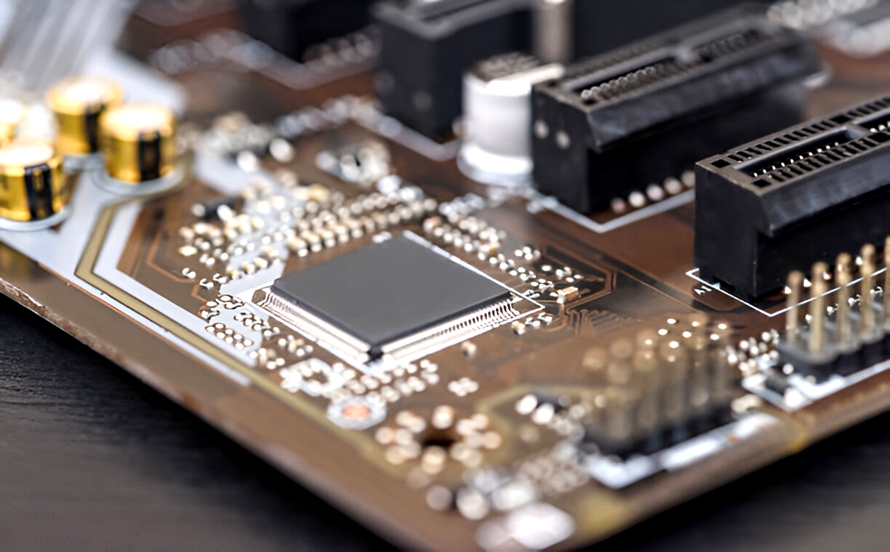
1. Engineering Overview — Power and EMI Challenges in High-Speed Computing Boards   As laptops and enterprise servers transition to PCIe 5.0/6.0 and DDR5 architectures, maintaining power integrity (PI) and electromagnetic interference (EMI) control becomes a core constraint in multilayer PCB design.  The TLY-5 PCB, with its ultra-low Dk (2.20 ± 0.02) and low Df...

Enhancing Signal Integrity and RF Stability of TLY-5 PCBs in 5G Smartphone Antenna and Transceiver Modules

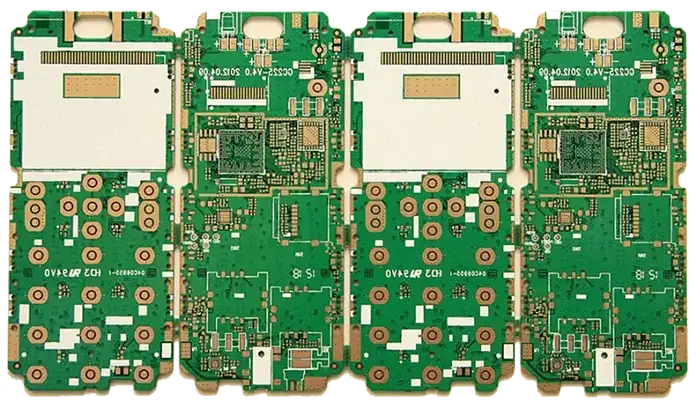
1. Engineering Overview — Material-Driven Signal Reliability for 5G Smartphones   As 5G smartphones evolve toward multi-antenna, wide-band, and ultra-compact RF front-end architectures, PCB materials play a decisive role in ensuring signal alignment and thermal stability.  The TLY-5 PCB, a PTFE-glass composite laminate from Taconic, provides excellent dielectric uniformity (Dk = 2.2 ± 0.02, Df...

RF Test PCB: Engineering Precision for High-Frequency Testing Systems

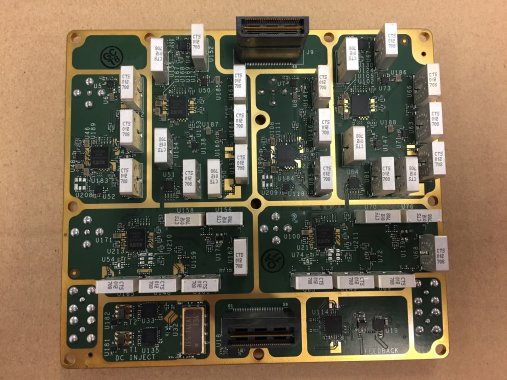
RF Test PCB: Engineering Precision for High-Frequency Testing Applications Introduction As wireless communication, semiconductor devices, and high-frequency electronics continue to advance, the demand for precise and reliable test platforms has increased dramatically. Among these platforms, the RF Test PCB plays a central role. It enables engineers to validate RF performance, measure high-frequency characteristics, and ensure...

Probe Card PCB: Engineering Precision for High-Accuracy Wafer-Level Semiconductor Testing

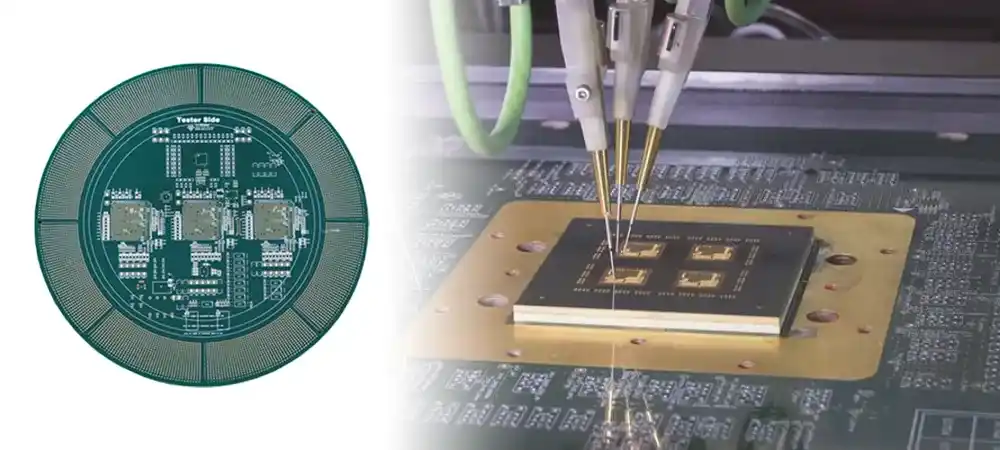
Probe Card PCB: Engineering Precision for Wafer-Level Testing Introduction At the wafer-level test stage, the probe card PCB serves as the indispensable interface between automated test equipment (ATE) and the semiconductor wafer. As device geometries continue shrinking and electrical performance requirements become more demanding, precision test interfaces have become essential. The probe card PCB establishes...

ADAS PCB Layout Guidelines for Automotive Radar Systems: Best Practices for High-Frequency Design

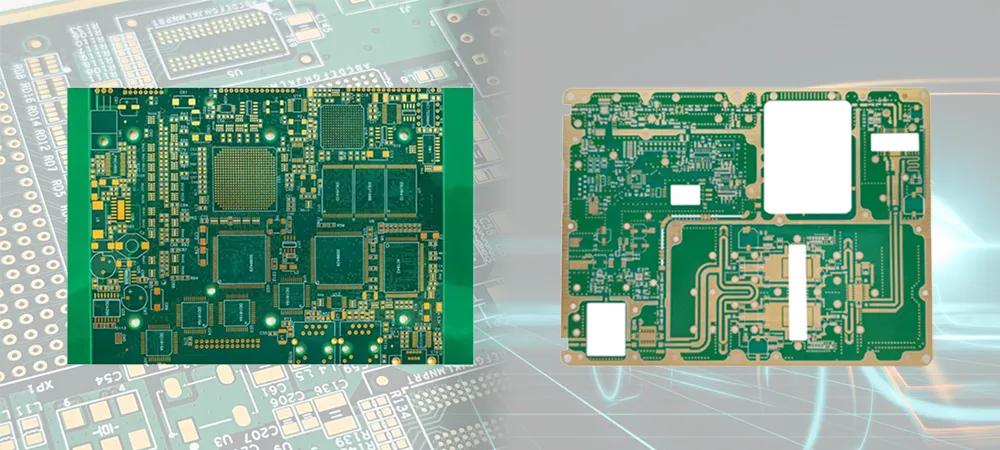
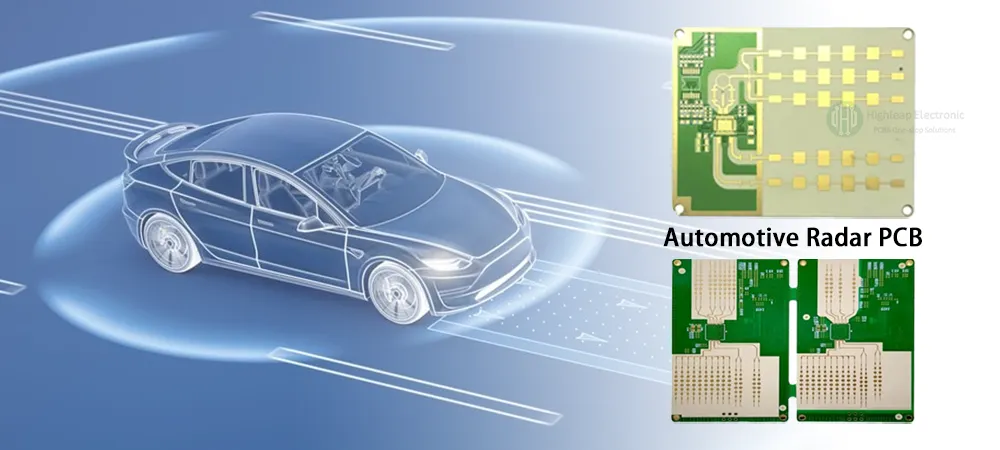
Advanced Driver Assistance Systems (ADAS) depend on high-performance automotive radar PCBs operating primarily at 77 GHz (and extending to 79 GHz) to deliver critical functions such as adaptive cruise control, automatic emergency braking, blind-spot detection, lane-change assistance, and 4D imaging. At these millimeter-wave frequencies, even minor imperfections in ADAS PCB layout can cause significant signal...

Signal Integrity Optimization and Phase Stability of RF-35 PCB Boards in Precision RF Test & Measurement Equipment

1. Introduction   In advanced RF and microwave test systems, where signal accuracy defines measurement integrity, the substrate material directly determines consistency.  The RF-35 PCB—a low-loss laminate with optimized dielectric uniformity—has become a preferred platform for network analyzers, calibration modules, and power sensors operating between 20 GHz to 50 GHz.  KKPCB’s engineering framework addresses key...

Exploring Teflon PCBs: The Ultimate Guide to High-Frequency and RF Applications

Introduction With the rapid advancement of modern technology, high-frequency electronic systems such as RF, microwave, and radar equipment are increasingly prevalent. At the core of these systems lies the Printed Circuit Board (PCB) — the foundation upon which signal integrity and overall device performance depend. Among the materials used for PCB fabrication, Teflon (PTFE) stands...

High-Power Amplifier Packaging and Reliability Validation of RF-35 PCB Substrates in Industrial IoT mmWave Links

Engineering Context — RF-35 PCB for Next-Generation Industrial mmWave Networks   Industrial IoT communication is rapidly shifting toward 28 GHz to 60 GHz mmWave domains, demanding high-power amplifier (HPA) modules that deliver low-loss signal routing, stable gain, and robust thermal reliability.At these frequencies, the choice of PCB substrate directly determines the performance envelope of the...

Hybrid Stackup Integration and Impedance Control of RF-35 PCBs for Automotive mmWave Radar Sensors

Engineering Context — Why RF-35 PCB Is Key to Automotive Radar Precision   As modern automotive radar systems evolve toward 76–81 GHz mmWave operation, PCB materials must ensure phase stability, low insertion loss, and precise impedance control across multiple layers.The RF-35 PCB, a Taconic PTFE glass-reinforced laminate, combines Df = 0.0018 @ 10 GHz and...