high-speed PCB - KKPCB
 
HomeTag

high-speed PCB - KKPCB

Microvia PCBs: Enabling High-Density and High-Performance Electronics

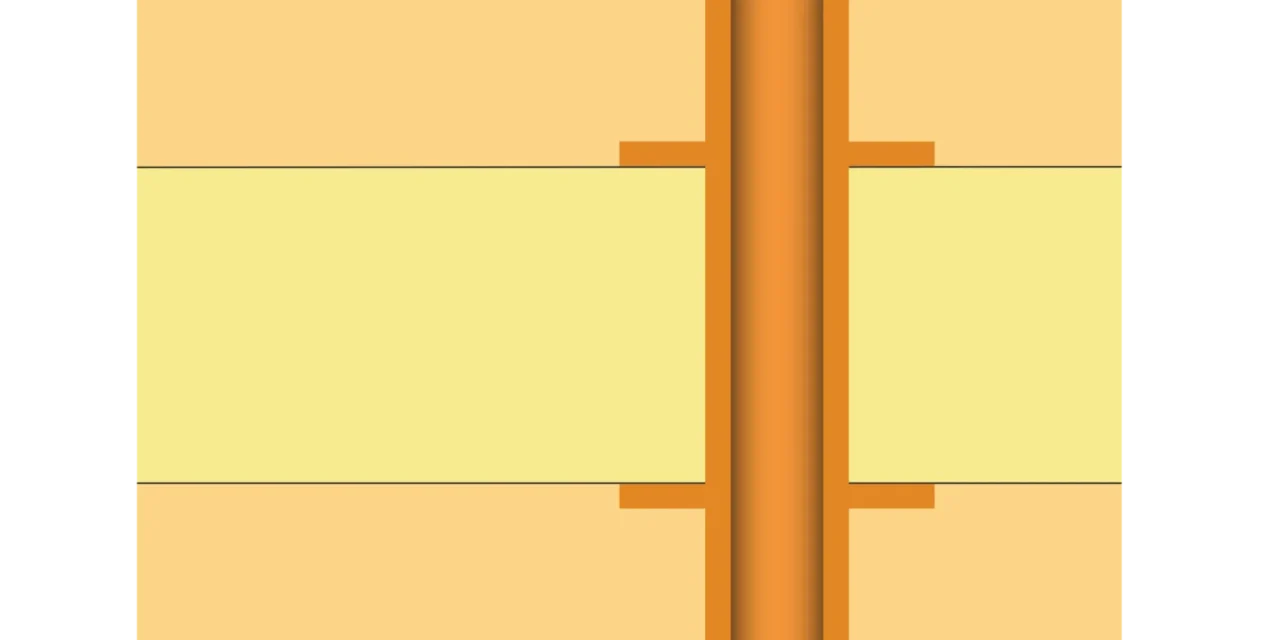
What is a Microvia PCB? A Microvia PCB is a printed circuit board that uses very small vias—typically less than 150 microns in diameter—to connect adjacent layers. Unlike traditional through-hole or buried vias, microvias enable high-density routing and reduced signal path lengths, making them ideal for high-speed, high-performance, and compact electronic designs. Microvia technology is...

Fine Pitch PCBs: Precision Design for High-Density Components

As electronic devices become smaller and more powerful, the demand for Fine Pitch PCBs—boards designed for components with extremely small pin spacing—has grown significantly. Fine pitch components, such as BGA, QFN, and CSP packages, require precise PCB design and manufacturing to ensure electrical connectivity, signal integrity, and long-term reliability. Design Considerations High-Density Layouts:Fine pitch PCBs...

Custom ATE PCBs: Precision Design for Automated Test Equipment

Automated Test Equipment (ATE) plays a vital role in validating electronic components, modules, and systems. At the heart of these test platforms are Custom ATE PCBs, engineered to handle high-speed signals, precise routing, and repeated testing cycles without failure. These PCBs must balance electrical performance, mechanical stability, and long-term reliability to meet stringent testing requirements....

HDI PCBs: Unlocking High-Density Performance for Modern Electronics

High-Density Interconnect (HDI) PCBs are a key technology for today’s compact and high-performance electronics. With fine lines, microvias, blind and buried vias, and multiple layers, HDI PCBs allow designers to fit complex circuits into small form factors, supporting applications from mobile devices to 5G infrastructure, automotive electronics, aerospace systems, and industrial IoT devices. Advanced Design...

Buried Via PCB: Advanced Multilayer Interconnects for High-Density Electronics

As electronic devices become smaller and more complex, the need for high-density interconnections within printed circuit boards increases. Buried via PCBs offer a solution by connecting inner layers without using surface space, allowing for compact, high-performance multilayer boards. Buried vias improve routing flexibility, signal integrity, and design density, making them critical for advanced applications such...

Rigid-Flex PCB: Combining Flexibility and Rigidity for Advanced Electronic Designs

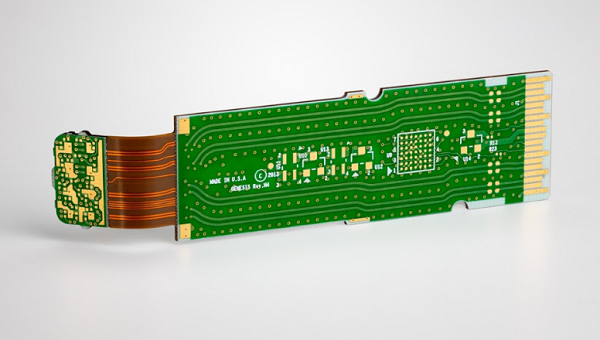
Modern electronic devices demand compact, lightweight, and highly reliable circuit designs. Traditional PCBs can be limiting in complex applications where space constraints and dynamic movement are factors. Rigid-Flex PCBs combine the structural stability of rigid boards with the dynamic flexibility of flexible circuits. This hybrid design enables intricate layouts, reduces interconnects, and improves reliability in...

High Speed PCB Design: Ensuring Signal Integrity for Modern High-Performance Electronics

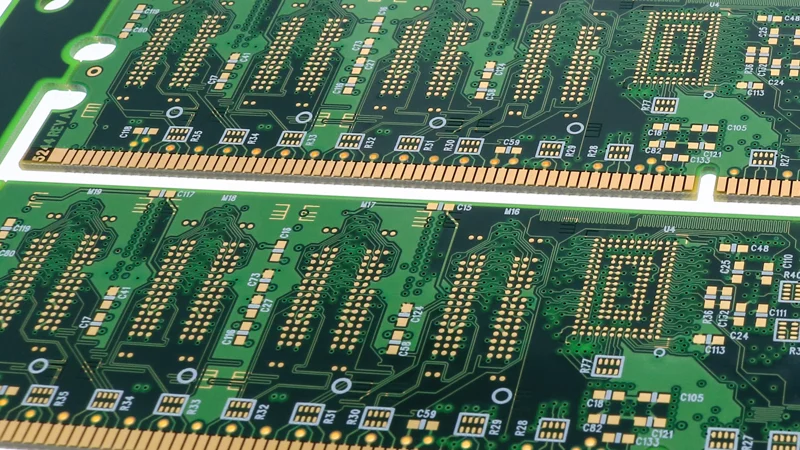
With the rapid development of modern electronics, devices are required to process and transmit data at increasingly higher speeds. Technologies such as high-performance computing, 5G networks, data centers, and advanced communication systems all rely on fast digital circuits. At the core of these systems is the High Speed PCB, a specialized printed circuit board designed...

mmWave Module PCB: Enabling Ultra-High Frequency Performance in 5G and Radar Systems

Millimeter-wave (mmWave) technology is a key component of modern wireless communication and sensing systems. Operating at frequencies typically ranging from 24 GHz to 100 GHz, mmWave technology enables ultra-high data transmission speeds, improved bandwidth, and high-resolution radar detection. At the core of these systems is the mmWave Module PCB, a specialized circuit board designed to...

Low Loss PCB: Essential Technology for High-Speed and High-Frequency Electronics

As modern electronic systems operate at increasingly higher frequencies and data rates, maintaining signal integrity has become one of the most important challenges in PCB design. Signal attenuation, dielectric loss, and transmission distortion can significantly affect the performance of high-speed circuits. To address these challenges, engineers rely on Low Loss PCBs, which are specifically designed...

Multilayer HF PCB: High-Frequency Performance for Advanced Electronic Systems

As modern electronics push higher frequencies and data rates, high-frequency (HF) multilayer PCBs have become essential in enabling reliable and precise signal transmission. These PCBs are used in applications where low dielectric loss, controlled impedance, and minimal signal reflection are critical. Multilayer HF PCBs combine multiple layers of conductive and dielectric materials to achieve high-density...