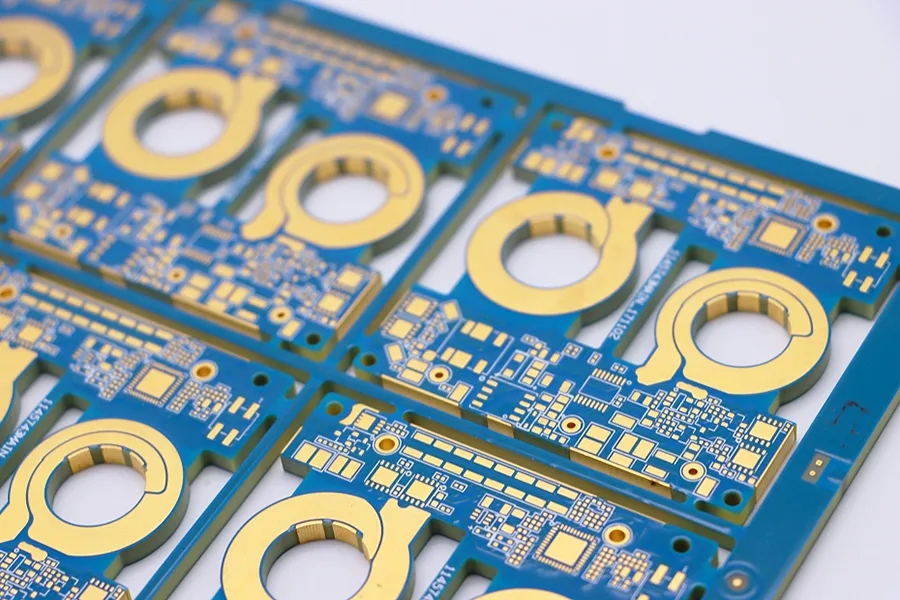
automotive PCB - KKPCB
 
HomeTag

automotive PCB - KKPCB

ADAS PCB: The Hidden Backbone Behind Safer, Smarter Driving

Advanced driver-assistance systems (ADAS) have shifted from premium features to mainstream safety requirements across global automotive platforms. Functions such as adaptive cruise control, automatic emergency braking, lane-keeping assistance, and highway piloting depend on a dense ecosystem of sensors and computing modules. At the center of this ecosystem lies a critical but often overlooked component: the...

Heavy Copper PCBs: High-Current Performance for Modern Power Electronics

Heavy Copper PCBs: High-Current Solutions for Power Electronics As electronic systems evolve toward higher power density, stronger reliability requirements, and increasingly harsh operating environments, Heavy Copper PCBs have become indispensable across power electronics, automotive systems, industrial control, and energy infrastructure. Unlike standard PCBs—typically manufactured with 1oz–3oz copper—a Heavy Copper PCB is defined as any PCB...
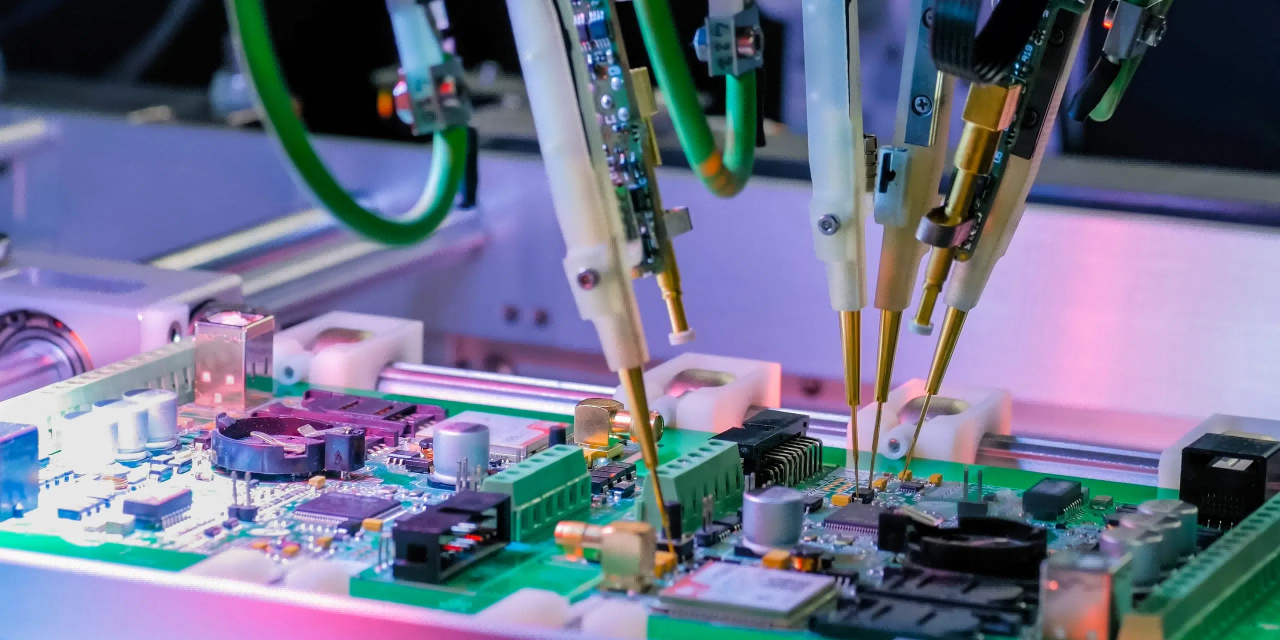
Automotive PCB Manufacturer | High-Reliability PCB Solutions for Modern Vehicles

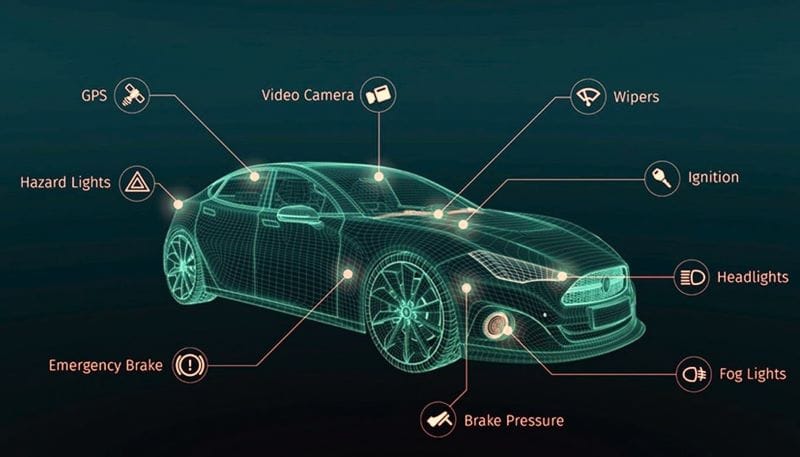
Automotive PCBs: The Backbone of Modern Vehicle Electronics Printed Circuit Boards (PCBs) are fundamental to contemporary electronics, providing the structural foundation and electrical interconnections required by a wide range of components. Within the automotive industry, PCBs play an indispensable role—enabling everything from basic vehicle functions to advanced driver-assistance systems (ADAS) and electrification technologies. Automotive PCBs...

RF Reliability Testing and Environmental Endurance of RO4003C PCBs for Automotive and Aerospace Systems

Reliability Challenges in High-Frequency Applications In demanding industries such as automotive electronics and aerospace systems, RF PCB reliability is critical for ensuring long-term system performance under extreme operating conditions. As high-frequency PCB applications continue to expand—especially in radar systems, satellite communication, and advanced driver-assistance systems (ADAS)—materials like RO4003C PCB laminates are widely used for their...

Advanced PCBs – Design, Manufacturing, and Assembly

Advanced PCBs represent the cutting edge of printed circuit board technology, enabling compact, high-performance, and highly reliable electronic systems for demanding applications such as 5G/6G infrastructure, ADAS automotive radar, AI computing, aerospace electronics, Industrial IoT, and medical devices. These boards go far beyond standard FR-4 designs, incorporating HDI (High-Density Interconnect), rigid-flex, high-frequency low-loss materials, heavy...

Multilayer PCB Manufacturing Process, Advantages and Applications

1. Introduction: Why Multilayer PCBs Are Essential in Modern Electronics As electronic devices continue to evolve toward miniaturization, high-speed performance, and multifunction integration, traditional single-layer or double-layer PCBs can no longer meet design requirements. This has led to the widespread adoption of multilayer PCBs (Multilayer Printed Circuit Boards), which integrate multiple conductive layers within a...

What is Ceramic PCB and Substrate or Alumina PCB?

Why Ceramic PCBs Are Gaining Importance As electronic systems evolve toward higher power density, higher operating temperatures, and higher frequencies, traditional FR4 PCBs face limitations in: Thermal conductivity Heat dissipation capability Mechanical stability under extreme conditions This has led to the increasing adoption of ceramic PCB substrates, especially alumina (Al₂O₃) PCBs, in applications requiring excellent...

Best Formats for 4-Layer PCB Stackups

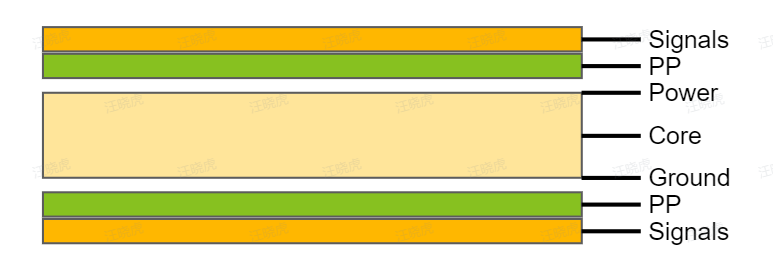
Best Formats for 4-Layer PCB Stackups A well-chosen 4-layer PCB stackup is essential for achieving excellent signal integrity, controlled impedance, effective power distribution, low EMI, and reliable manufacturing — especially in high-speed digital, mixed-signal, RF, automotive, and industrial designs. Compared to 2-layer boards, a properly configured 4-layer stackup provides dedicated reference planes, shorter return paths,...

PCB Interconnection Methods

PCB Interconnection Methods PCB interconnection methods are essential techniques used to electrically and mechanically connect printed circuit boards (PCBs) within electronic systems. Choosing the right PCB interconnection method directly impacts signal integrity, reliability, mechanical strength, assembly cost, and overall system performance — especially in complex devices such as smartphones, automotive electronics, industrial control systems, 5G...