HomeTag

Via Reliability - KKPCB

Aluminum Nitride PCB Direct-Bond Copper: Metallization and Via Reliability Before Qualification

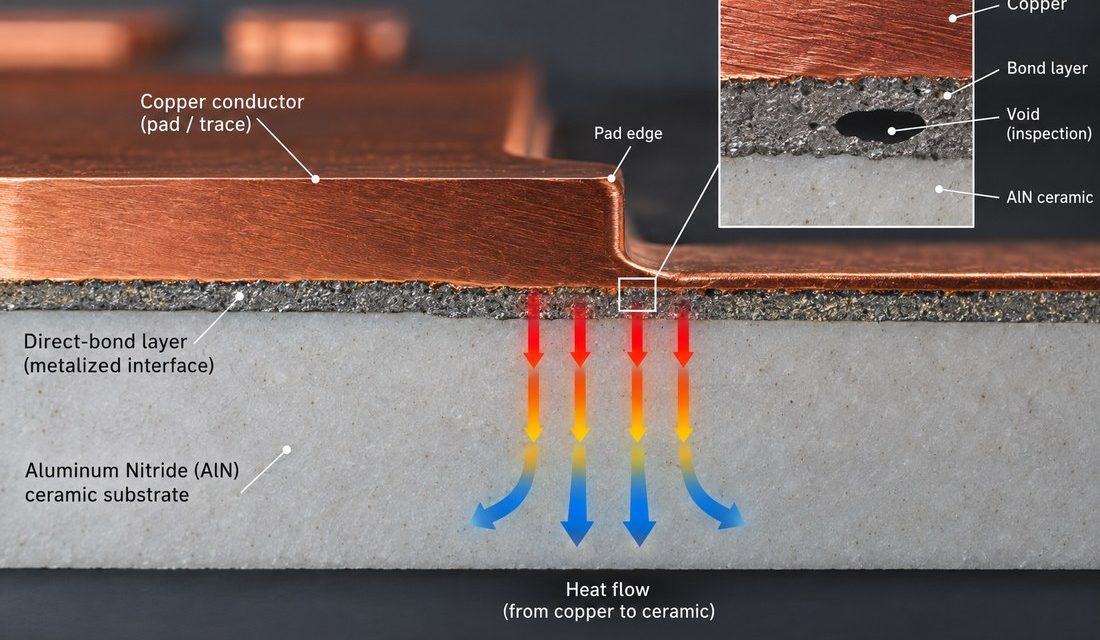
An Aluminum Nitride PCB direct-bond copper release needs a controlled metallization edge, via transition, and inspection record before qualification. Direct-bond copper can deliver a low-resistance thermal and electrical interface on aluminum nitride, but its edge, adhesion, and transition features must survive the same thermal history as the product. A qualification coupon that omits the heavy...
Ceramic PCB Metallization and Via Reliability: A Practical Review for RF Power Boards

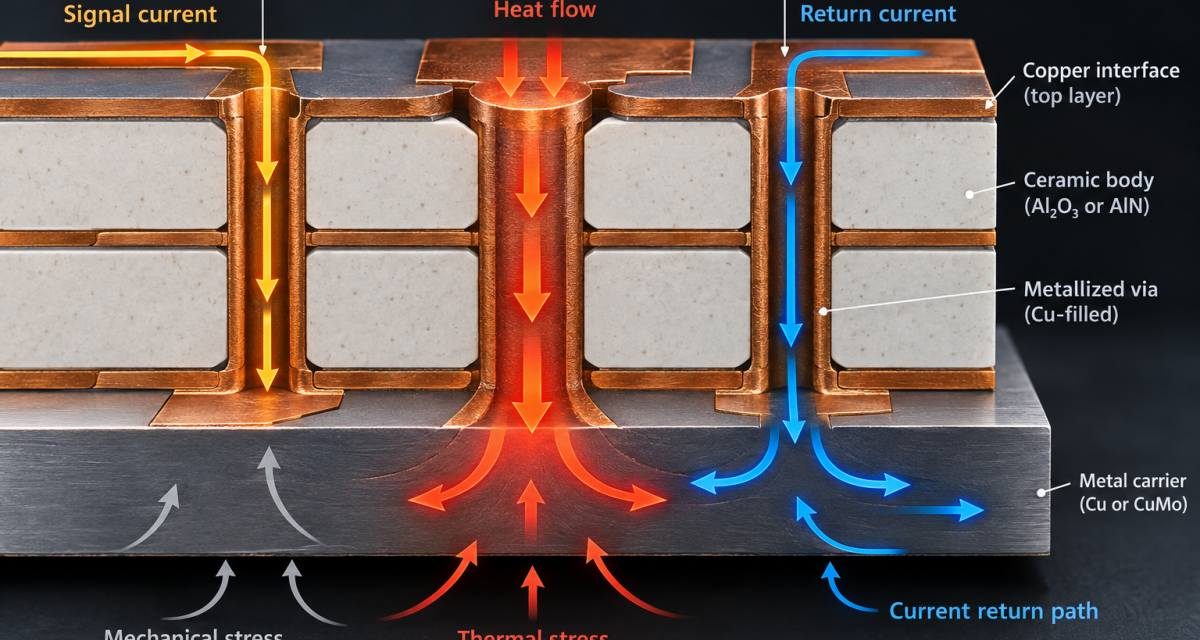
A ceramic substrate can be electrically stable and thermally efficient while the interconnect still becomes the weak point. Metallization adhesion, plated or filled vias, copper thickness, and the transition to a connector or carrier all experience different mechanical strain. For a Ceramic PCB used in a power or microwave module, the correct question is not...

Taconic RF-35 PCB Drill and Plating Control: Avoiding PTFE Via Reliability Escapes

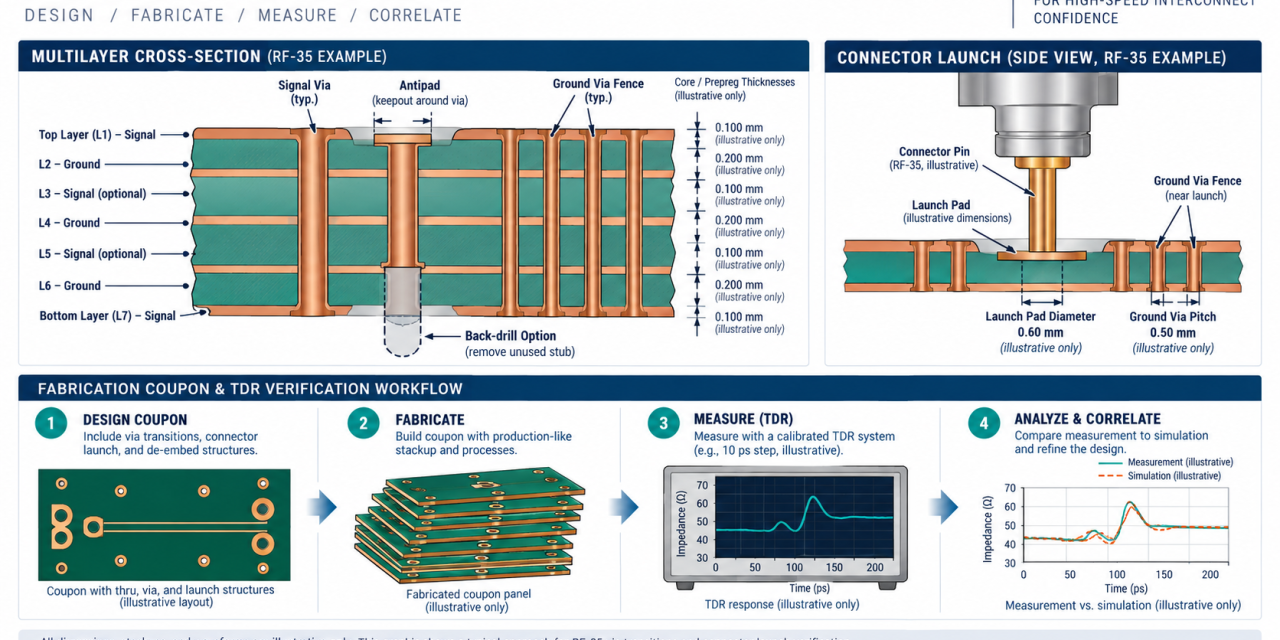
Table of Contents PTFE drilling and stackup RF drill table and transition geometry Desmear and plating controls Coupons and assembly handoff A via can pass an electrical design review and still become the first reliability escape in a PTFE-based RF build. Drill wander on a Taconic RF-35 PCB, smear removal, rough hole walls, poor copper...

Multilayer Test PCBs: Ensuring Reliability in Complex Electronics

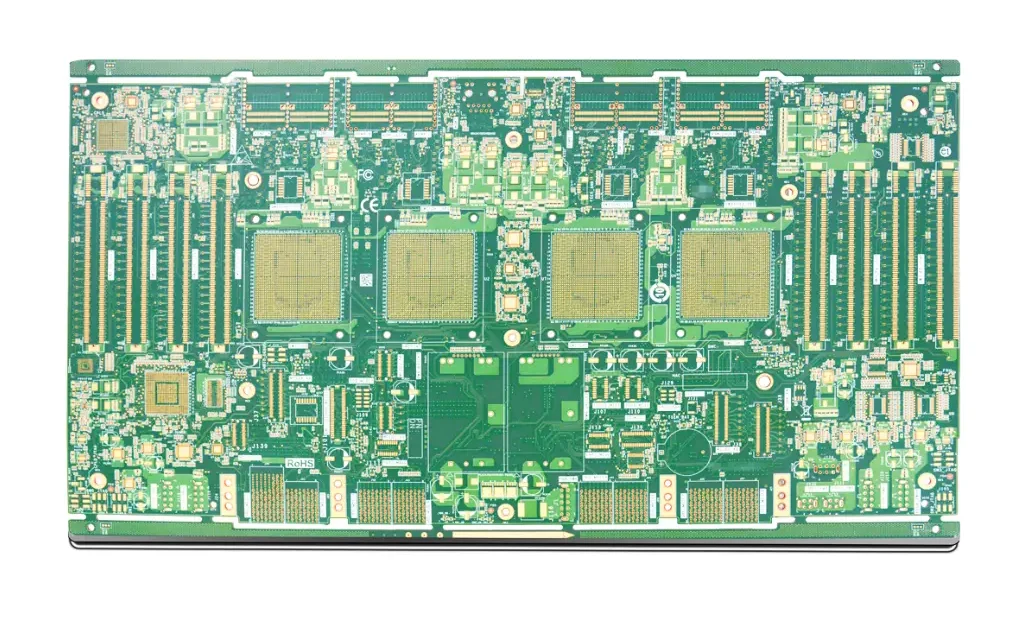
Multilayer PCBs are the backbone of modern electronics, from high-speed communication modules and industrial sensors to automotive and aerospace systems. Before committing to full-scale production, engineers rely on multilayer test PCBs to validate designs, assess signal integrity, and identify potential manufacturing challenges. These test boards simulate the full stack-up of the final product, allowing for...