PCB Materials | FR-4, High-Frequency, Low-Loss & Heavy Copper - KKPCB
 
HomeCategory

PCB Materials | FR-4, High-Frequency, Low-Loss & Heavy Copper - KKPCB

Multilayer Test PCB – High Layer Count PCB for Precision Electronic Testing

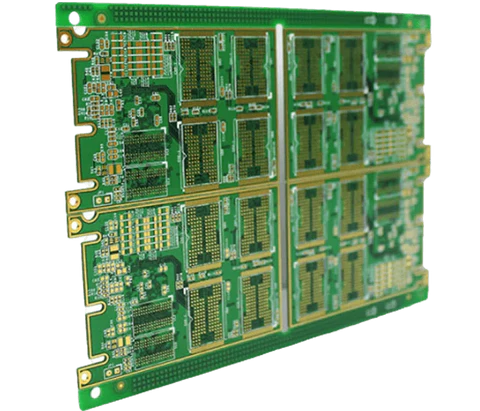
What Is a Multilayer Test PCB? A Multilayer Test PCB is a high-layer-count printed circuit board specifically engineered for electronic testing and validation environments. It serves as a critical interface between testing equipment and the Device Under Test (DUT), ensuring accurate signal transmission and reliable measurement results. Unlike standard multilayer PCBs used in commercial products,...

Load Board PCB – High Precision Interface Board for Semiconductor Testing

What Is a Load Board PCB? A Load Board PCB is a critical interface board used in Automated Test Equipment (ATE) systems for semiconductor device testing. It connects the tester to the device under test (DUT), transmitting signals, power, and measurement data with high accuracy and stability. Load boards are specifically engineered to support high...

ATE Test PCB – High Precision PCB for Automated Test Equipment Applications

ATE Test PCB for Semiconductor and IC Testing An ATE Test PCB (Automated Test Equipment PCB) is a high-precision printed circuit board designed for semiconductor and integrated circuit testing systems. It serves as the electrical interface between the test system and the device under test (DUT), ensuring accurate signal transmission, stable power delivery, and reliable...

Buried Via PCB – High Density Multilayer PCB with Internal Via Interconnection

What Is a Buried Via PCB? A Buried Via PCB is a multilayer printed circuit board that uses vias connecting only internal layers, without extending to the outer surface layers. Unlike through-hole vias that pass through the entire board thickness, buried vias are fully embedded within the PCB stack-up. This structure improves routing density, reduces...

Rigid-Flex PCB – Flexible and Rigid Hybrid PCB for Compact and High Reliability Applications

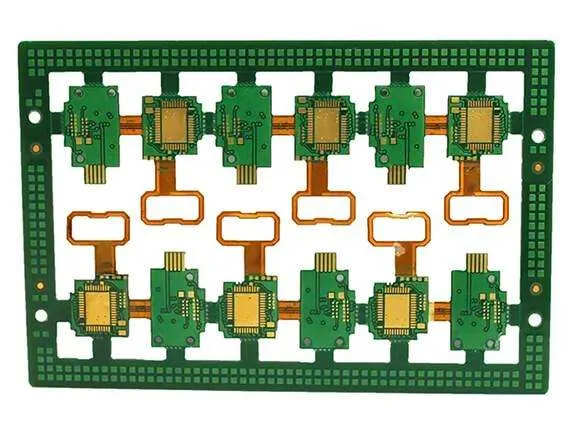
What Is a Rigid-Flex PCB? A Rigid-Flex PCB combines rigid circuit board sections with integrated flexible circuit layers into a single unified structure. This hybrid design allows the board to bend in specific areas while maintaining structural stability in others. Unlike traditional assemblies that connect separate rigid boards using cables or connectors, rigid-flex technology integrates...

Double Layer HF PCB – High Frequency Two Layer PCB for RF and Microwave Applications

Double Layer HF PCB for RF and Microwave Systems A Double Layer HF PCB (High Frequency PCB) is a two-layer printed circuit board designed specifically for RF and microwave signal transmission. Unlike standard double-sided FR4 boards, HF PCBs use low-loss, stable dielectric materials to ensure reliable signal performance at high frequencies. Double layer high frequency...

High TG PCB – High Glass Transition Temperature PCB for Thermal Stability and Reliability

What Is a High TG PCB? A High TG PCB refers to a printed circuit board manufactured using laminate materials with a high glass transition temperature (Tg). The glass transition temperature is the point at which the PCB substrate transitions from a rigid state to a softer, more flexible state under heat. Standard FR4 materials...

High Speed PCB – Precision Design for Signal Integrity and High Data Rate Applications

High Speed PCB for Modern Digital Systems As data rates continue to increase in communication, computing, and semiconductor applications, PCB design must evolve to maintain signal integrity and stable performance. A High Speed PCB is specifically engineered to support high-frequency digital signals, fast edge rates, and high bandwidth transmission. Unlike standard PCBs, high speed boards...

UAV PCB – High Reliability PCB for Unmanned Aerial Vehicle Systems

UAV PCB for Advanced Drone and Aerial Systems A UAV PCB (Unmanned Aerial Vehicle PCB) is a high-performance printed circuit board used in drone systems to support flight control, real-time communication, navigation, and power distribution. UAV platforms demand compact size, lightweight construction, stable signal integrity, and resistance to vibration and temperature variation. As drone technology...

High Current PCB – Reliable Power Handling for Industrial and Automotive Applications

High Current PCB for Demanding Power Applications As power electronics continue to evolve, many modern systems require printed circuit boards capable of handling significantly higher current levels without overheating or performance degradation. A High Current PCB is specifically engineered to carry elevated current loads through optimized copper thickness, reinforced trace design, and enhanced thermal management...