PCB Manufacturing Services | High-Quality PCB & PCBA - KKPCB
 
HomeCategory

PCB Manufacturing Services | High-Quality PCB & PCBA - KKPCB

Common Flex PCB Surface Finishes

Copper in Printed Circuit Boards Printed circuit boards (PCBs), or called printed wiring boards (PWBs), have become basic parts in almost all areas of modern technologies. Copper trace is a crucial element on circuit boards. The copper always plays a role of carrying electrical signals to different components across the board assembly. Without traces, the...

Multilayer PCB Benefits and Applications

Printed circuit boards (PCBs) are the core of most electronics today, determining basic functions through combinations of components and wiring mechanisms. Most PCBs of the past were relatively simple and limited by manufacturing techniques, while today’s PCBs are much more complex. From advanced flexible options to odd-shaped varieties, PCBs are much more varied in nowadays’ world...

What is Stack-up?

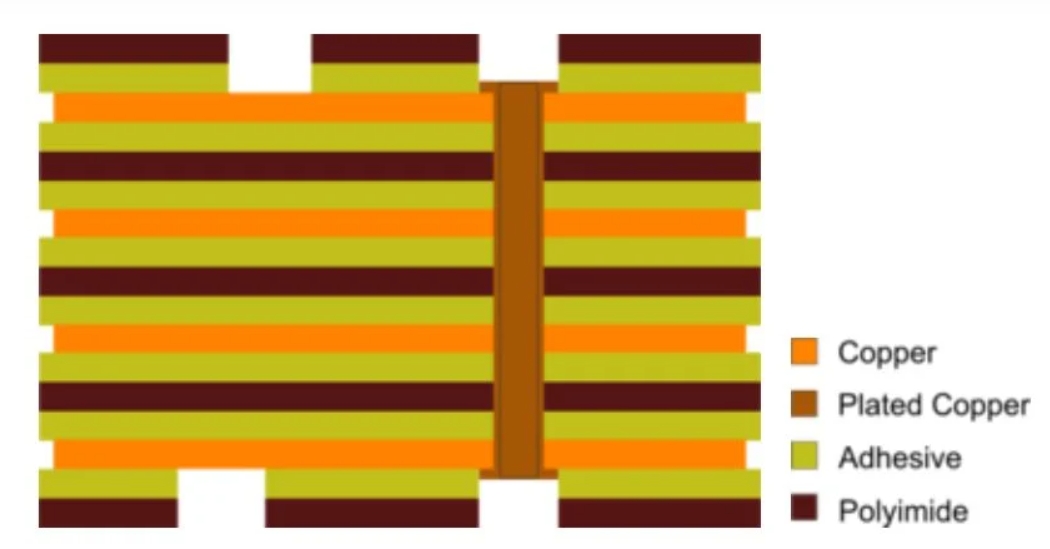
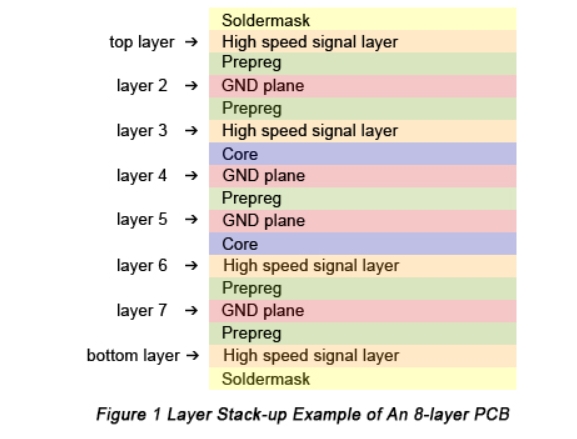
Stack-up refers to the arrangement of copper layers and insulating layers that make up a PCB prior to board layout design. While a layer stack-up allows you to get more circuitry on a single board through the various PCB board layers, the structure of PCB stackup design confers many other advantages: • A PCB layer stack...

Blind Via and Buried Via

In modern PCB design, Blind Via and Buried Via technologies play a critical role in achieving high-density interconnect (HDI) structures, improving signal integrity, and optimizing PCB layout performance. As electronic devices continue to evolve toward miniaturization, high speed, and high functionality, the use of blind vias and buried vias has become increasingly essential in advanced...

Advantages and Disadvantages of Multilayer PCBs

Multilayer PCBs (Printed Circuit Boards) are integral to modern electronics, offering unparalleled performance in compact designs. While they come with several benefits, they also present unique challenges. This article delves into the advantages and disadvantages of multilayer PCBs, providing insight into their role in electronic design and manufacturing. Advantages of Multilayer PCBs 1. Higher Density and Efficiency...

Multilayer PCB: What It Is, How It Works, and When to Use It

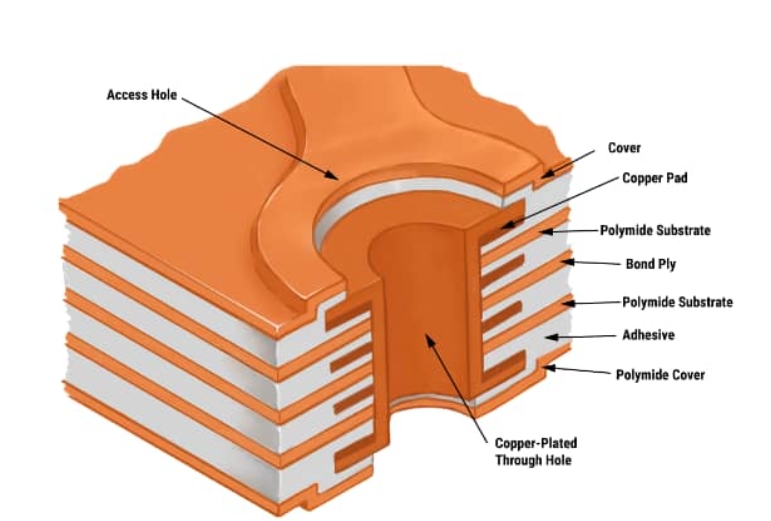
In the evolution of printed circuit boards (PCBs), the transition from single-sided to double-sided to multilayer PCBs has been pivotal. This shift addresses the growing demand for compact, efficient, and high-performance electronic devices. Here’s a detailed look at what multilayer PCBs are, how they work, and when to use them. What Is a Multilayer PCB? A multilayer PCB is an advanced circuit board featuring multiple layers of...

What is Flexible PCB

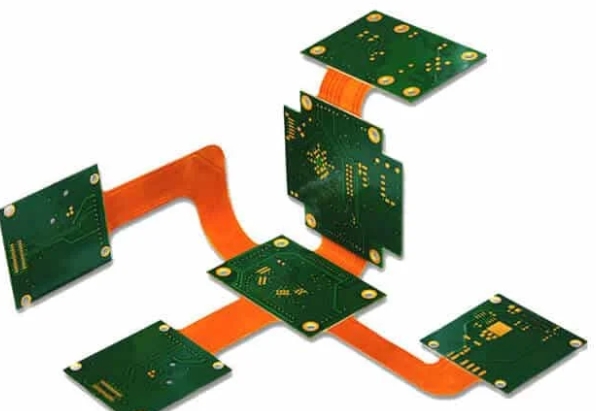
Flexible circuits (also variously referred to around the globe as flex circuits, flexible printed circuit boards, flex print, Flexi-circuits) are members of electronic and interconnection family. They consist of a thin insulating polymer film having conductive circuit patterns affixed thereto and typically supplied with a thin polymer coating to protect the conductor circuits. The technology has...

Flexible PCBs: Advantages and Disadvantages

Flexible PCB technology, also known as FPC (Flexible Printed Circuit), continues to develop and is used in major electronics sectors such as consumer electronics, automotive, electronic medical devices, wearables, telecommunications and aerospace. The introduction of flexible PCBs has revolutionized conventional electrical interconnect technology, which was traditionally used to connect multiple parts of the same circuit or...

Types and Applications of PCB Prototype Boards

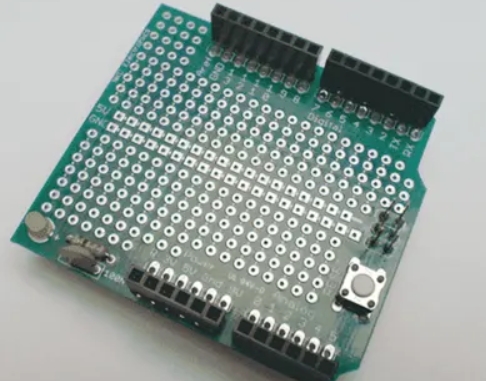
Having your schematic design thoroughly tested and prototyped is an essential phase in any manufacturing process. PCB prototyping will allow you to spot design flaws and address them at this stage. Before you send your product off to the manufacturer, you’ll want to be sure that you’ve caught all of the bugs and design flaws....