HomeCategory

PCB Design Services | Professional PCB Layout & Design - KKPCB

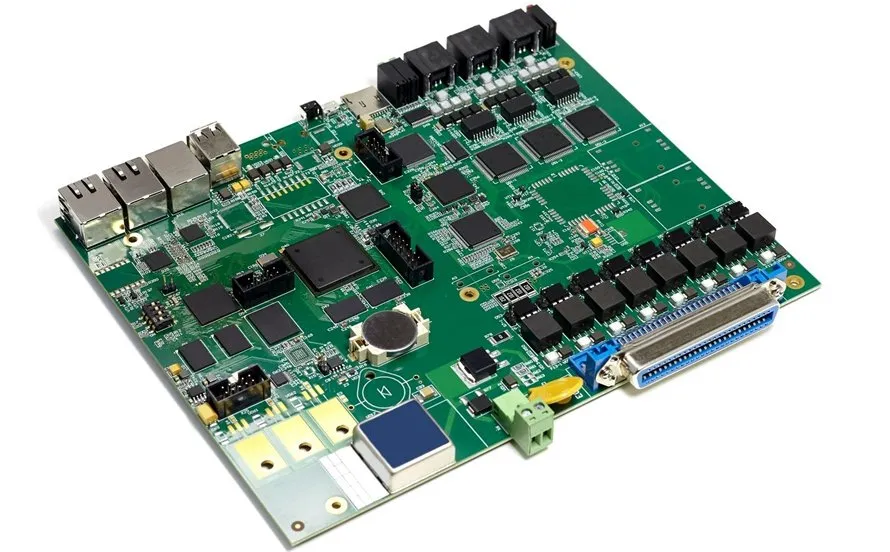
What is the Internet of Things (IoT)?

Introduction: The Rise of the Internet of Things The Internet of Things (IoT) is transforming how devices, systems, and people interact in the digital era. From smart homes to industrial automation, the IoT ecosystem connects billions of devices through the internet, enabling real-time data exchange, remote control, and intelligent decision-making. As industries move toward digitalization...
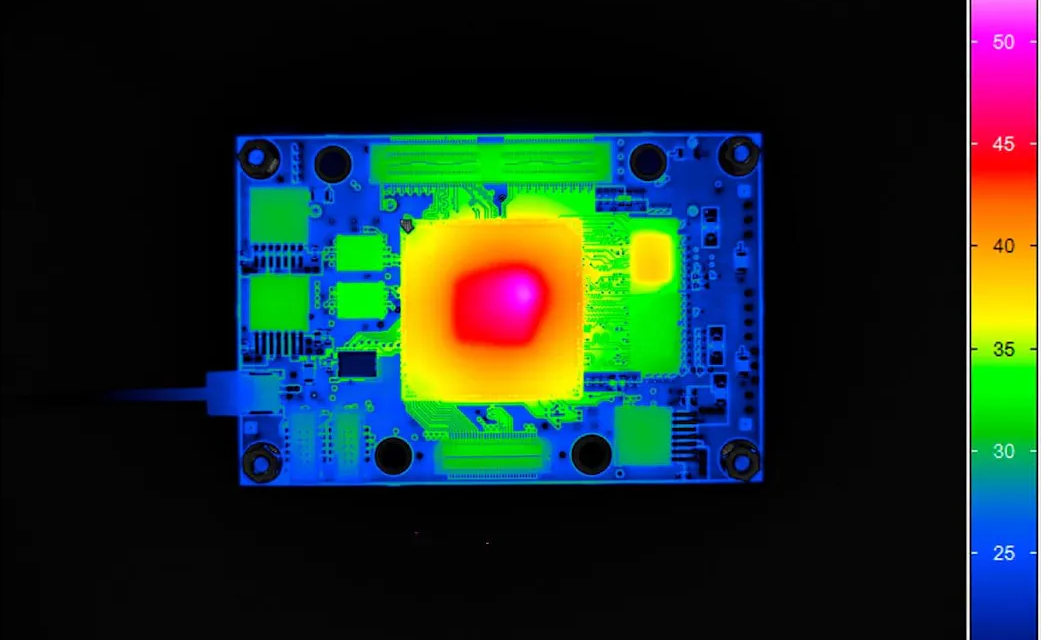
Infrared Thermal Imaging in the Electronics Industry: Optimizing Thermal Management and Enhancing Performance

In modern electronics manufacturing and PCB assembly, effective thermal management is critical for ensuring system performance, reliability, and longevity. As electronic devices become more compact and powerful, heat generation increases significantly, making temperature control a key engineering challenge. Infrared thermal imaging technology has emerged as a powerful tool for analyzing and optimizing thermal behavior in...

Low Power Circuit Design Strategies for PCBs

As electronic devices become smaller, smarter, and increasingly battery-powered, reducing power consumption has become a key objective in PCB design. Whether developing IoT sensors, wearable devices, medical electronics, or industrial control systems, an optimized low power PCB extends battery life, reduces thermal stress, and improves overall system reliability. Low power PCB design is far more...

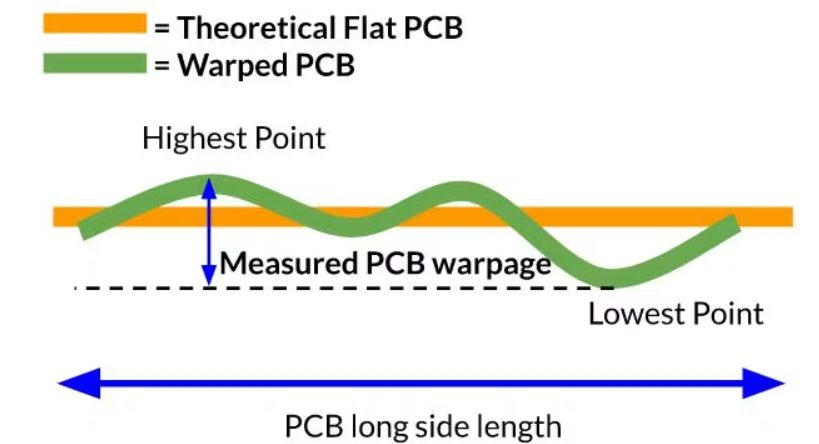
How to Check for PCB Warpage: Techniques and Methods

How to Check for PCB Warpage: Techniques and Methods PCB warpage (also known as bow and twist) is a common manufacturing defect that occurs when a printed circuit board deviates from perfect flatness. It can lead to serious issues during SMT assembly, such as poor solder joint formation, component misalignment, open circuits, or bridging. In...

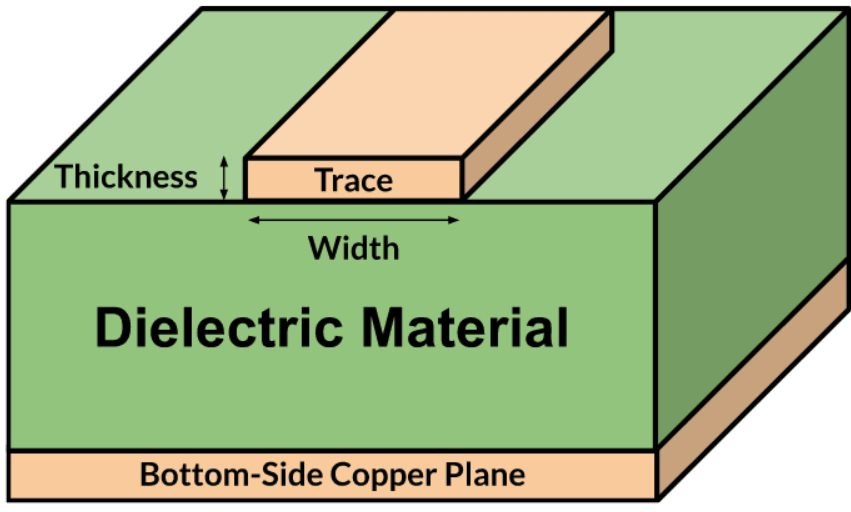
Optimizing PCB Trace Thickness vs. Current Capacity

In PCB design, trace thickness and current carrying capacity are closely related factors that directly affect the reliability and performance of electronic systems. As electronic products continue moving toward higher power density, smaller form factors, and increased functionality, PCB traces must handle higher currents while maintaining acceptable temperature rise and electrical stability. Insufficient copper thickness...

Sensors and Transducers in Your PCB Design

With the rapid development of industrial automation, IoT devices, smart manufacturing, medical electronics, and intelligent monitoring systems, sensors and transducers have become essential components in modern electronic products. A sensor detects physical parameters from the surrounding environment, while a transducer converts these physical signals into electrical signals that can be processed by electronic circuits. In...

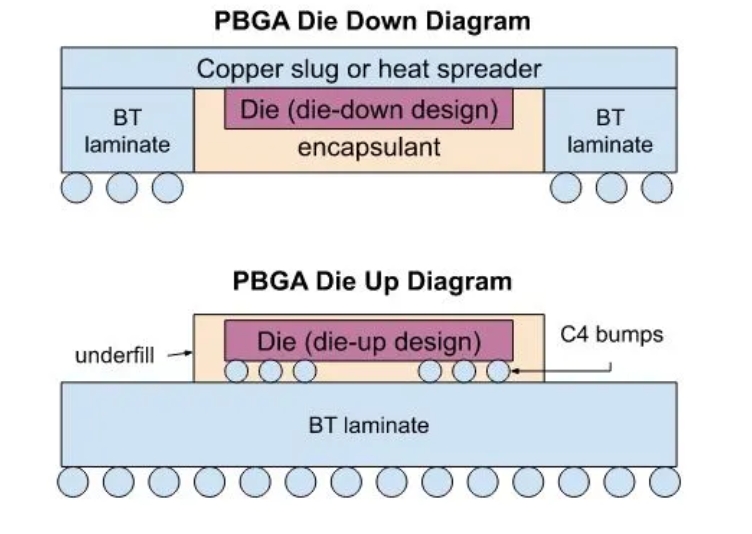
Ball Grid Array Technology Overview

What Is Ball Grid Array (BGA) Technology? Ball Grid Array (BGA) is an advanced surface mount packaging technology widely used in modern electronic products requiring high pin counts, high-speed signal transmission, and compact PCB layouts. Unlike traditional leaded packages, BGA components use an array of solder balls located underneath the package to create electrical and...

Can Pull-up Resistors Be Used on SPI Lines?

The SPI (Serial Peripheral Interface) is a widely used synchronous communication protocol in embedded systems, commonly applied for communication between: Microcontrollers (MCUs) Sensors Memory devices ADC/DAC converters Display controllers Communication modules Unlike protocols such as I²C, which use open-drain signaling and require pull-up resistors by design, SPI typically uses push-pull drivers. This leads to a...

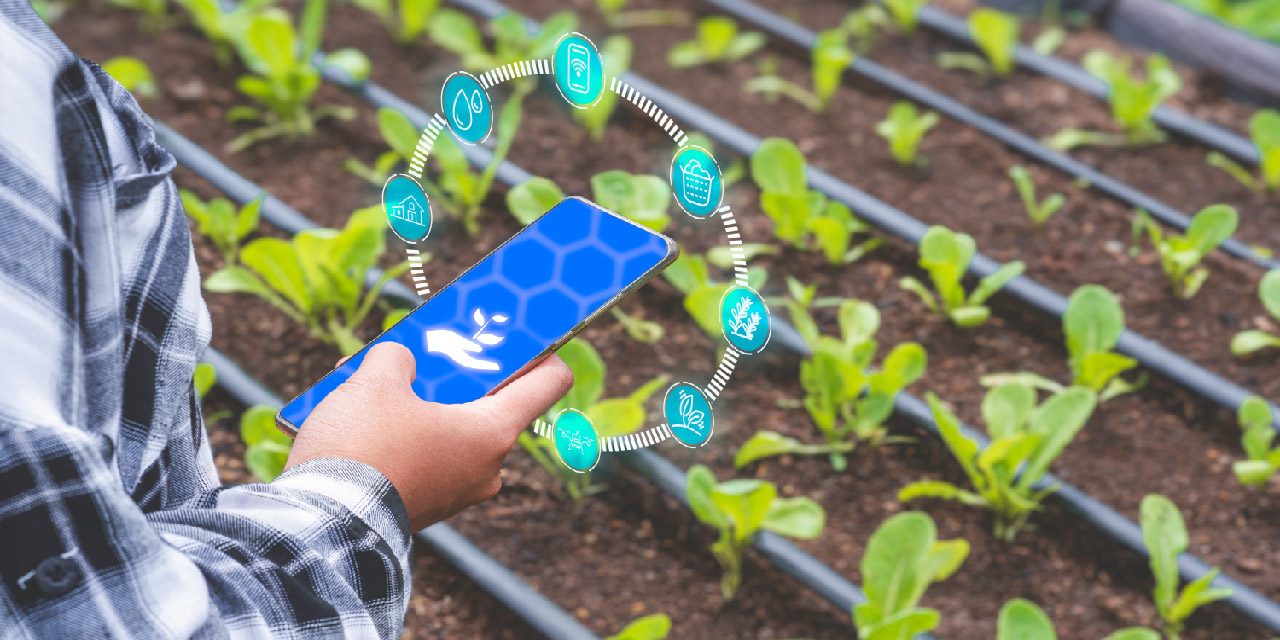
The core control module of the wireless smart irrigation controller adopts a high-performance PCBA circuit board

With the development of smart agriculture and precision farming technologies, traditional irrigation systems are gradually being replaced by intelligent solutions that integrate wireless communication, environmental sensing, and automated control. A wireless smart irrigation controller is an important component in modern agricultural management systems. It enables remote monitoring, automatic irrigation scheduling, and optimized water usage based...