Advanced Engineering Technologies for PCB & PCBA Solutions - KKPCB
 
HomeCategory

Advanced Engineering Technologies for PCB & PCBA Solutions - KKPCB

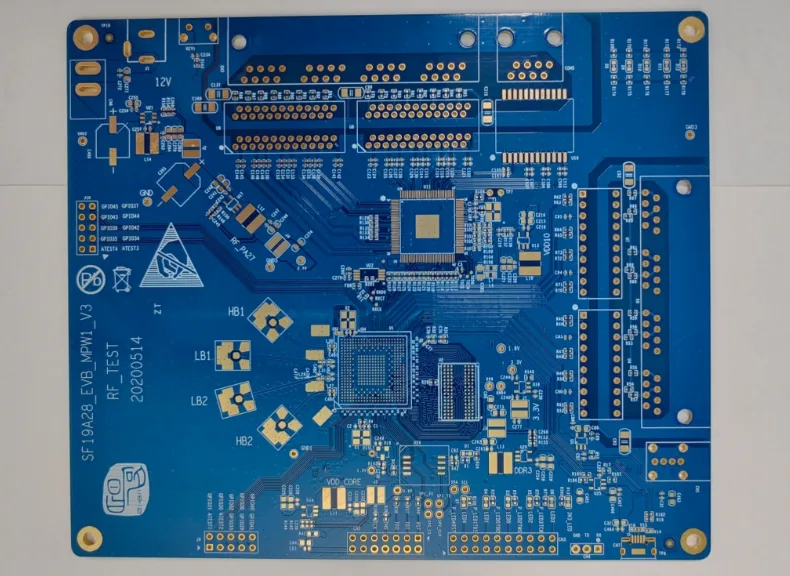
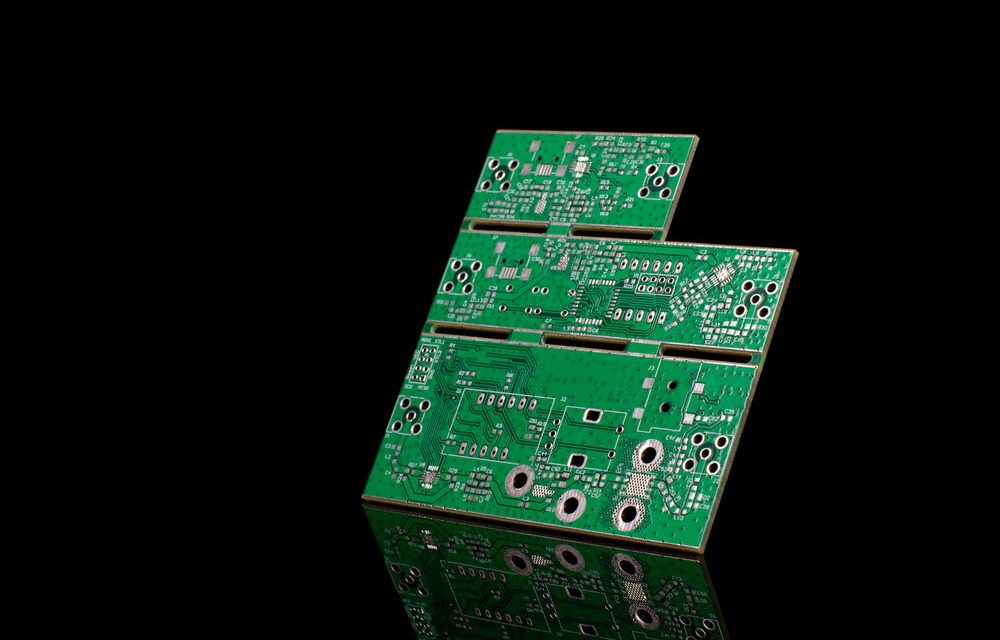
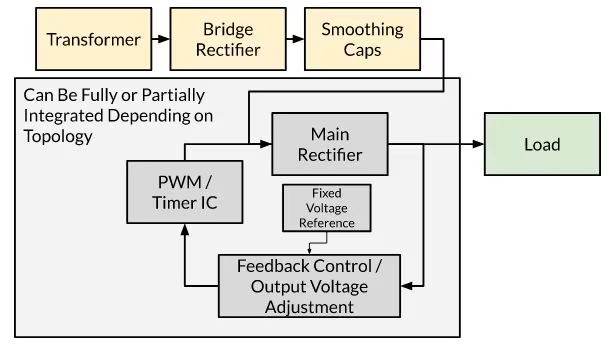
How to Create a Variable Power Supply PCB Layout

A variable power supply PCB is one of the most essential designs in electronic engineering, lab equipment, industrial systems, and embedded development platforms. It allows adjustable output voltage and current, making it suitable for testing, prototyping, and powering sensitive circuits. Designing a reliable variable power supply PCB layout requires careful consideration of power integrity, thermal...

Multilayer PCB Manufacturing Process, Advantages and Applications

1. Introduction: Why Multilayer PCBs Are Essential in Modern Electronics As electronic devices continue to evolve toward miniaturization, high-speed performance, and multifunction integration, traditional single-layer or double-layer PCBs can no longer meet design requirements. This has led to the widespread adoption of multilayer PCBs (Multilayer Printed Circuit Boards), which integrate multiple conductive layers within a...

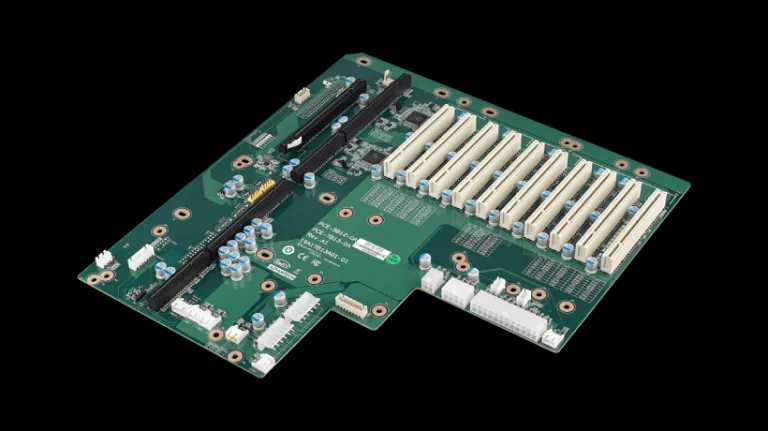
KKPCB Case Study: High-Performance Communication Backplane PCB Solution

Introduction: Enabling High-Speed Communication Systems In today’s data-driven world, high-speed communication systems demand exceptional signal integrity, power stability, and system reliability. At the core of these systems lies the communication backplane PCB, which serves as the backbone for high-speed data transmission between multiple modules. This case study highlights how KKPCB delivered a high-performance backplane PCB...

Grounding method in multilayer PCB circuit board

In modern multilayer PCB circuit board design, selecting the correct grounding method is essential for ensuring optimal signal integrity, minimizing electromagnetic interference (EMI), and maintaining stable power integrity. A well-designed grounding system not only improves overall PCB performance but also enhances the reliability of high-speed and high-frequency electronic applications. One of the most widely used...

Why You Need Rigid Circuit Boards from KKPCB

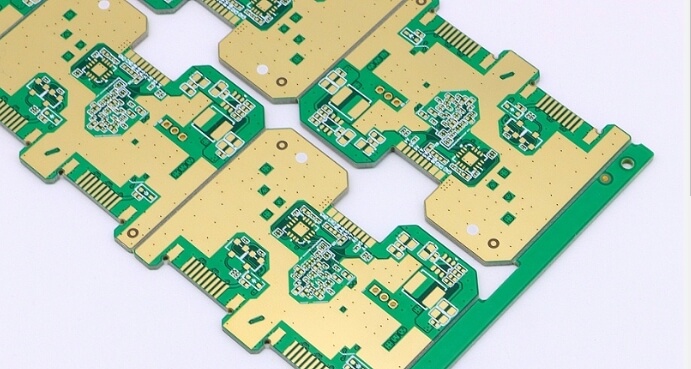
In modern electronics manufacturing, rigid circuit boards are the foundation of reliability, stability, and performance. From industrial automation to consumer electronics, Rigid PCBs are widely used due to their durability and cost efficiency. When it comes to sourcing high-quality rigid circuit boards, KKPCB is a trusted partner delivering precision, consistency, and scalability. What Are Rigid...

About PCB Layer Stackup

A PCB Layer Stackup refers to the arrangement of conductive copper layers and insulating dielectric materials that make up a multilayer PCB. In the era of high-speed digital electronics and 5G, the stackup is no longer just a mechanical carrier; it is a critical tool for managing signal integrity, power distribution, and electromagnetic compatibility (EMC). A well-engineered stackup from KKPCB ensures...

What is the difference between flexible PCB and just scratching the printing circuit board?

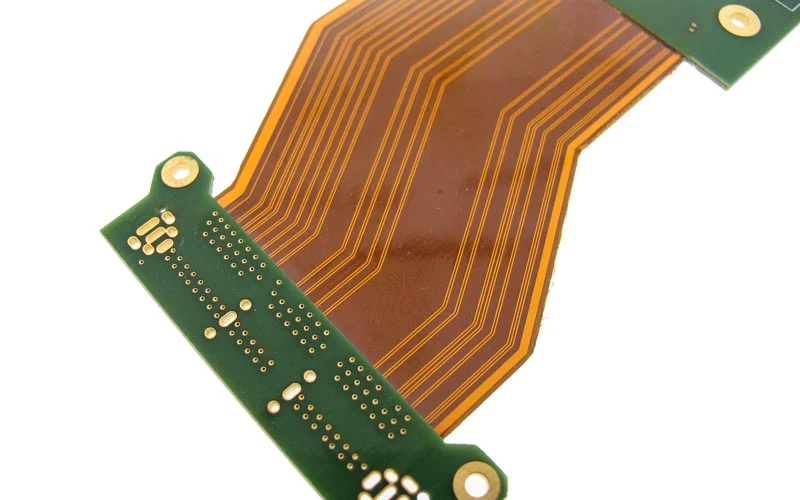
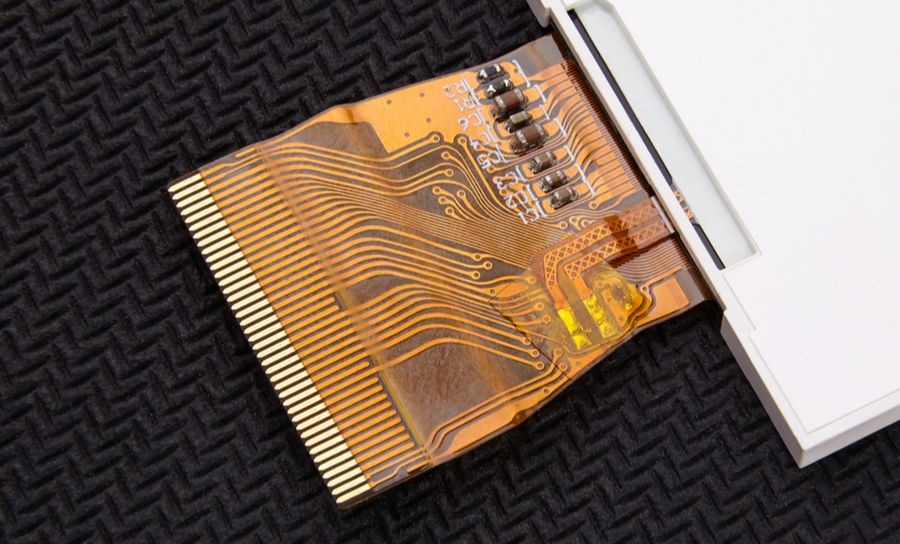
1. What Is a Flexible PCB? A flexible PCB (Flex PCB) is a specially engineered printed circuit board made from flexible materials such as polyimide. It is designed to bend, twist, or fold without damaging the circuit. Key Characteristics: Built on flexible substrates (e.g., polyimide) Designed for dynamic or static bending High reliability under mechanical...

PCB Prototyping Services

In modern electronics development, PCB prototyping services play a critical role in transforming circuit concepts into functional hardware. Whether for high-speed PCB design, RF PCB development, or industrial electronics, fast and accurate PCB prototype manufacturing ensures design validation, reduces risks, and accelerates time-to-market. Professional PCB prototyping services provide engineers with rapid turnaround, high-quality fabrication, and...

Blind Via and Buried Via

In modern PCB design, Blind Via and Buried Via technologies play a critical role in achieving high-density interconnect (HDI) structures, improving signal integrity, and optimizing PCB layout performance. As electronic devices continue to evolve toward miniaturization, high speed, and high functionality, the use of blind vias and buried vias has become increasingly essential in advanced...

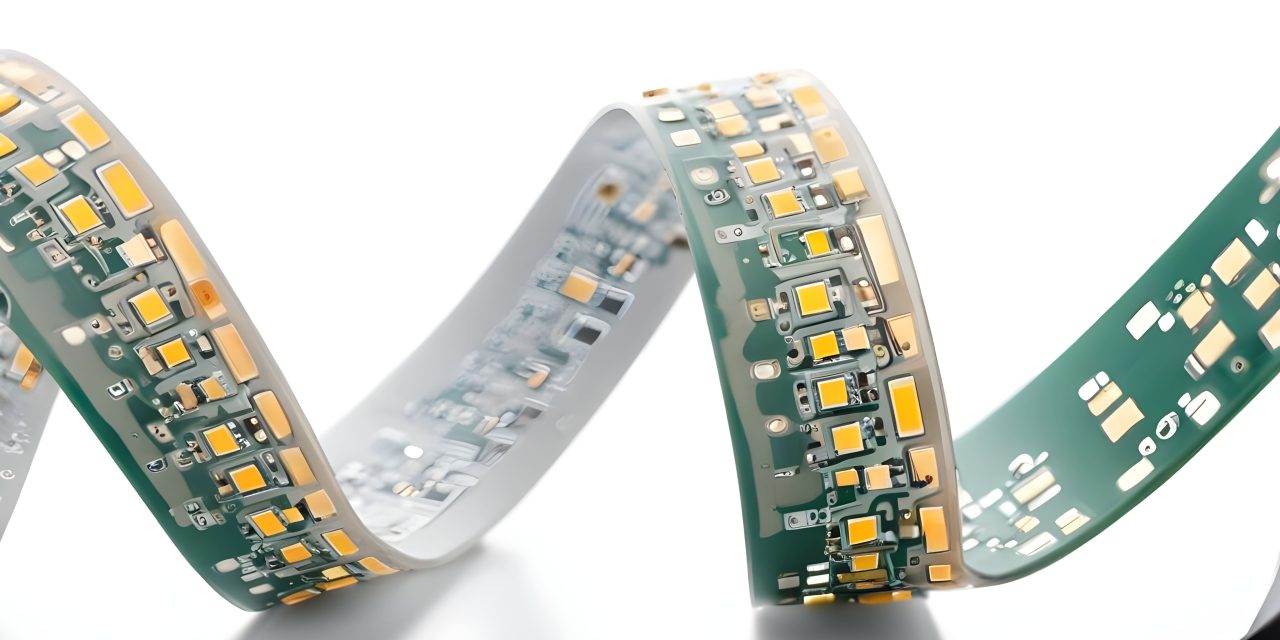
How to Choose the Right Material for Flexible LED PCB

Introduction: Why Material Selection Matters in Flexible LED PCB In modern LED lighting applications, selecting the right material for a flexible LED PCB is critical to achieving optimal thermal performance, flexibility, and long-term reliability. As LED products continue to evolve toward thin, lightweight, and bendable designs, the importance of choosing the correct flexible PCB material...