KKPCB Blog – PCB & PCBA Insights, News, and Tips - KKPCB
 

Blog

Explore the KKPCB Blog for the latest PCB manufacturing and assembly news, industry insights, expert tips, and technology trends, helping you stay informed and optimize your electronics projects.
High-Frequency PCB: High-Speed ​​Circuits for Signal Transmission

1. Introduction: Why High-Frequency PCBs Are the Backbone of Modern Signal Transmission In today’s electronics industry, the demand for high-speed signal transmission and high-frequency communication is rapidly increasing due to the expansion of 5G/6G networks, automotive radar systems, satellite communications, and data center interconnects. At these high frequencies (GHz to mmWave range), signal behavior is...

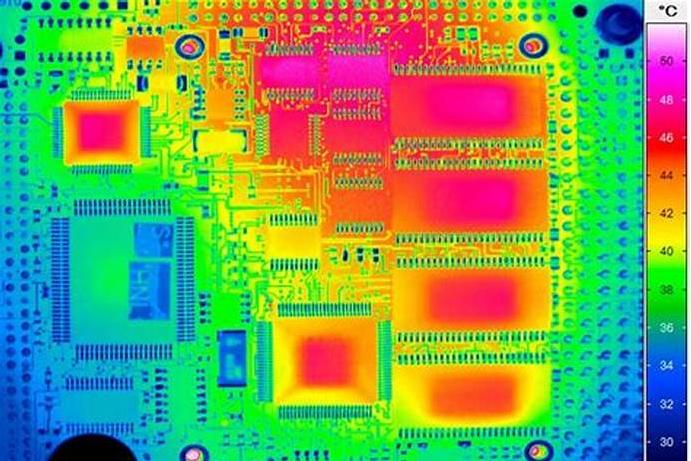
How to target the heat of high-temperature PCBs?

Have you ever wondered what a PCB is? A printed circuit board (PCB) is an electronic component used to connect various electrical devices. Copper conductors make electrical connections between components on a printed circuit board (PCB) (electronic assembly). The printed circuit board provides mechanical support for the electronic components, leaving space for the device in the housing....

Which PCB Coating vs Resin Protection is Best?

Amid the increasing climate change, protection has become a top priority for every advancement. Moreover, we cannot deny that tech products require strong resistance to harsh weather, rain, sun or electromagnetic currents. Resins and coatings protect printed circuit boards to ensure their compatibility. This helps focus on which environmental factors affect the PCB from the outside and...

How to Remove Flux from PCB?

During PCB soldering and PCB assembly (PCBA), flux is widely used to ensure strong and reliable electrical connections. However, removing flux from PCB after soldering is equally important. Excess flux residue on PCB can lead to signal interference, corrosion, leakage current, and long-term reliability issues. This guide explains how to remove flux from PCB, covering...

What are the advantages of multi-layer printed circuit board assembly?

One of the most important things in the electronics industry is the PCB. They are used in many industries such as aerospace, consumer electronics, automotive, etc. However, many times, businesses cannot decide whether they should choose single-layer or multi-layer printed circuit board assembly. Both types of PCB assembly services offer unique features to businesses. Therefore, it is crucial...

Why Choose RF or Microwave PCB Assemblies for Networking and Communication?

RF or microwave PCBs are widely recognized as the go-to solutions for networking and communication due to their superior ability to handle high frequencies. Their capacity to operate in the megahertz (MHz) to gigahertz (GHz) range makes them indispensable for modern communication applications. The Importance of RF and RF and microwave PCBs are designed to...

Single-layer FPC, double-layer FPC and multi-layer FPC in PCB manufacturing

Differences between single-layer FPC, double-layer FPC and multi-layer FPC Multi-layer FPC Multi-layer FPC is to stack three or more layers of single-sided or double-sided flexible circuits together, and make metallized holes through drilling, electroplating and other processes to achieve conductive paths between different layers, so no complex welding process is required. Multi-layer circuits have great functional...

How Multilayer PCB Assembly is Made, Advantages and Applications

Printed Circuit Boards (PCBs) are valuable electronic components that help improve the efficiency and performance of machines. Therefore, regardless of size, number of production units and purpose, vigilance must be maintained in their manufacturing process. However, what needs to be considered is the use of different types of PCBs. Multilayer PCBs account for more than 50% of the...