kkpcba-Cindy - KKPCB - Page 55 of 75
 
HomeAuthor

kkpcba-Cindy - KKPCB - Page 55 of 75

How to Find Faulty Components on PCBs: A Comprehensive Guide

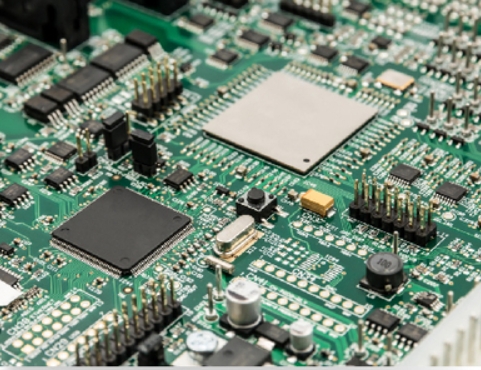
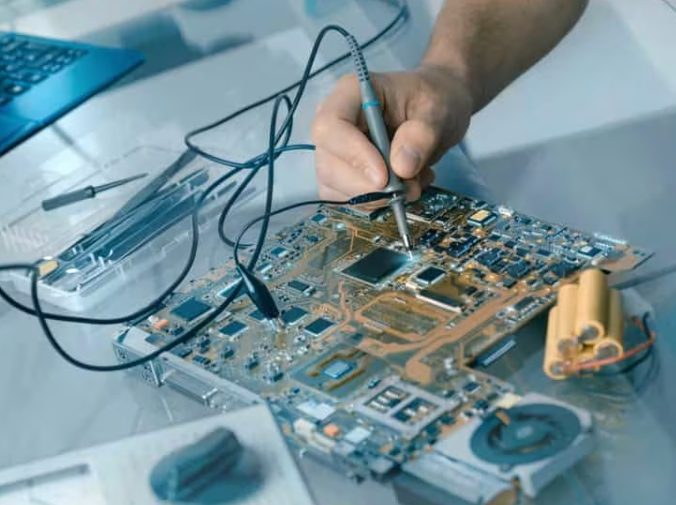
Troubleshooting printed circuit boards (PCBs) can be a daunting task, but with a systematic approach, it becomes manageable and efficient. This guide provides a step-by-step process to identify faulty components on PCBs, along with methods tailored to specific component types and advanced techniques for batch inspection. Step-by-Step Guide to Finding Faulty Components on PCBs Step 1: Power...
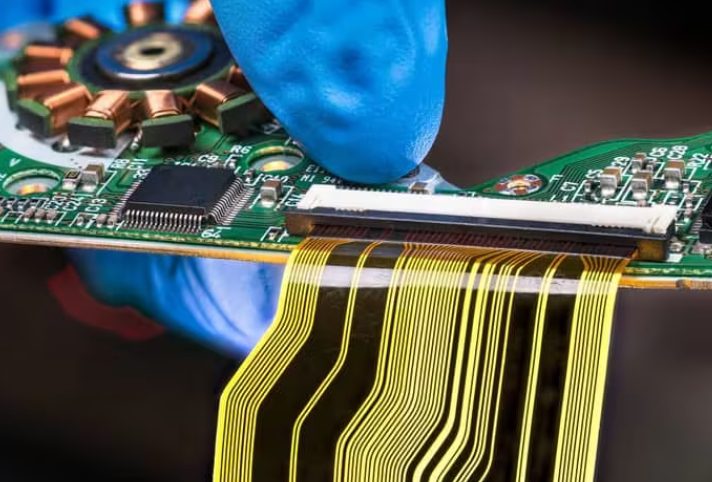
Exploring the Current Carrying Capacity of Flexible PCBs

Flexible PCBs, commonly made from polyimide materials, are known for their amber color and ability to withstand high temperatures, often comparable to or exceeding those of FR4 boards. The current carrying capacity of flexible PCBs is primarily determined by factors such as copper thickness, trace width, and material properties. With a relative tracking index (CTI) typically above 600 volts, these PCBs are suitable for...

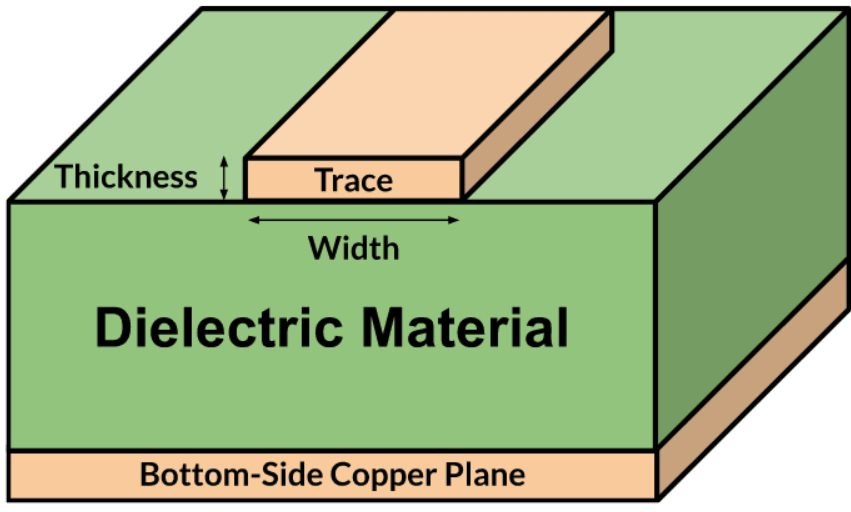
Optimizing PCB Trace Thickness vs. Current Capacity

The relationship between PCB trace thickness and current capacity is a critical aspect of PCB design. Properly sizing traces ensures that they can handle the required current without overheating, which is essential for the reliability and functionality of the circuit. This article explores the key considerations for selecting trace thickness, the impact of copper weight, and...

PCB Routing: Best Practices for Ensuring Signal Integrity and Performance

Printed Circuit Board (PCB) routing is a critical aspect of electronic design, ensuring that electrical signals are transmitted efficiently and reliably between components. Proper routing minimizes interference, maintains signal integrity, and meets design requirements such as impedance control and thermal management. This article outlines the best practices for PCB routing, focusing on optimizing performance and ensuring signal integrity....

Sensors and Transducers in Your PCB Design

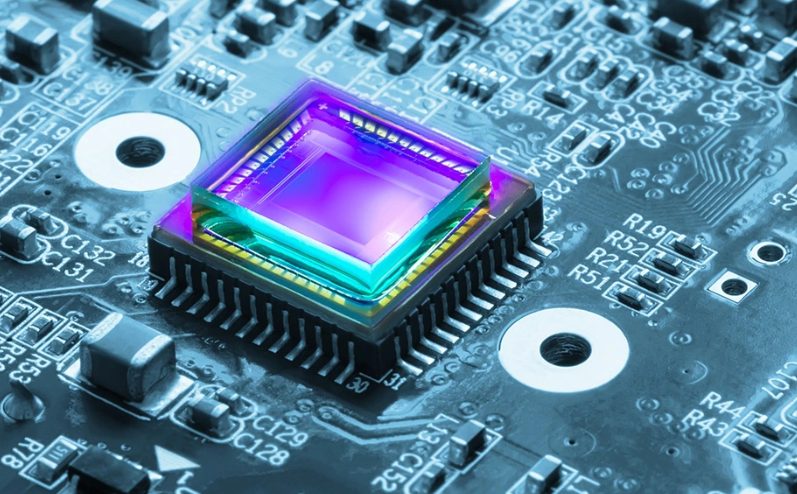
Sensors and transducers play integral roles in PCBs by enabling electronic systems to interact with and respond to the surrounding environment. Sensors detect physical parameters such as temperature, pressure, light, and motion, converting these analog signals into electrical signals that PCBs process. Sensors are used in various applications, from environmental monitoring and industrial automation to consumer electronics. By integrating...

Ceramics Used in Electronic Applications

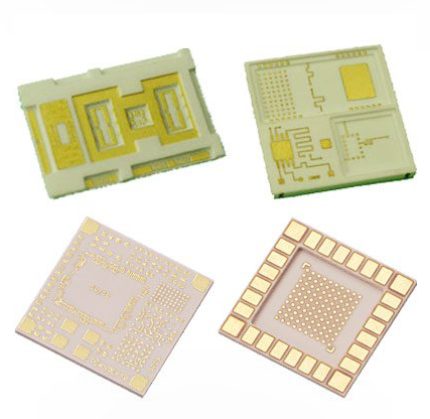
Ceramics used in electronics are everywhere. For instance, ferroelectrics are used to create high-dielectric capacitors and non-volatile memory devices. Ferrites play a crucial role in storing data and information. Solid electrolytes are instrumental in the storage and conversion of energy. Piezoelectrics are essential for sonar technology, while semiconducting oxides have been pivotal in monitoring environmental...

IC Continuity Test

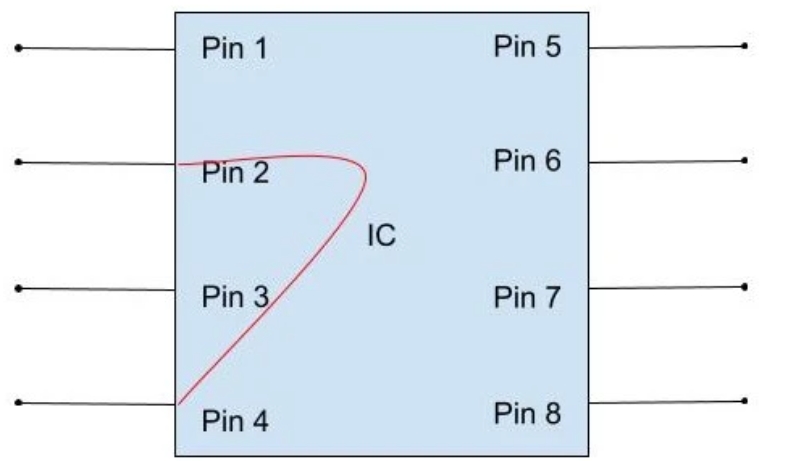
With the growth of the semiconductor industry, the density of circuits within integrated circuits (ICs) has increased. Even with the increase in density, the number of input-output pins remains unchanged, which is one of the reasons for the increased complexity in IC packages. To ensure the reliability of ICs, IC testing is introduced at every stage of the production...

Materials for High Temperature PCBs

Introduction: Why High Temperature PCB Materials Matter In demanding electronic applications, high temperature PCBs are essential for ensuring stable performance, long-term reliability, and safe operation under extreme thermal conditions. Industries such as automotive electronics, aerospace systems, power electronics, and industrial automation require PCB materials that can withstand elevated temperatures without degradation. Choosing the right materials...

The Most Common Manual PCB Soldering Defects

Manual soldering, while not as precise as automated assembly processes like reflow soldering, is still widely used in various applications. However, it is prone to specific defects that can affect the quality and reliability of the final product. Understanding these common manual PCB soldering defects is crucial for maintaining high product quality and yield. Common Manual PCB Soldering...

Ball Grid Array Technology Overview

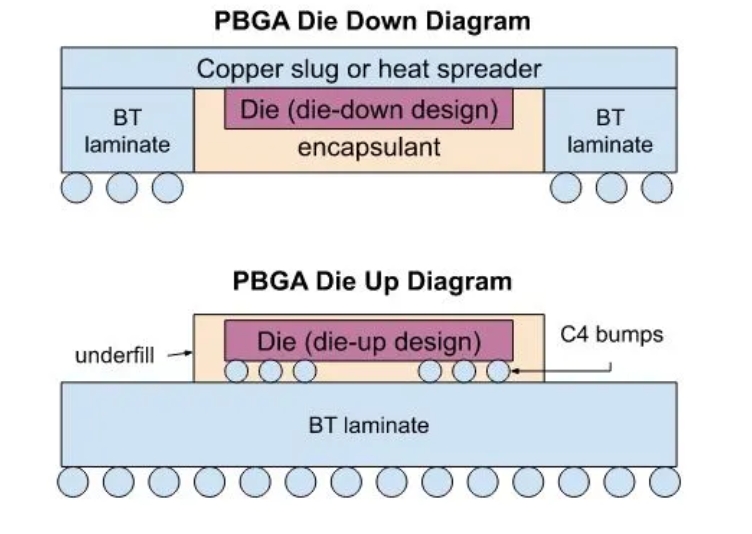
Aball grid array (BGA) is a type of surface-mount packaging that features an array of small solder balls on the underside, which serve as electrical connections to the printed circuit board (PCB). Unlike dual in-line or flat packages, ball grid arrays offer the advantage of accommodating a greater number of interconnection pins, made possible by utilizing the entire bottom...