kkpcba-Cindy - KKPCB - Page 47 of 66
 
HomeAuthor

kkpcba-Cindy - KKPCB - Page 47 of 66

Materials for High Temperature PCBs

Introduction: Why High Temperature PCB Materials Matter In demanding electronic applications, high temperature PCBs are essential for ensuring stable performance, long-term reliability, and safe operation under extreme thermal conditions. Industries such as automotive electronics, aerospace systems, power electronics, and industrial automation require PCB materials that can withstand elevated temperatures without degradation. Choosing the right materials...
The Most Common Manual PCB Soldering Defects

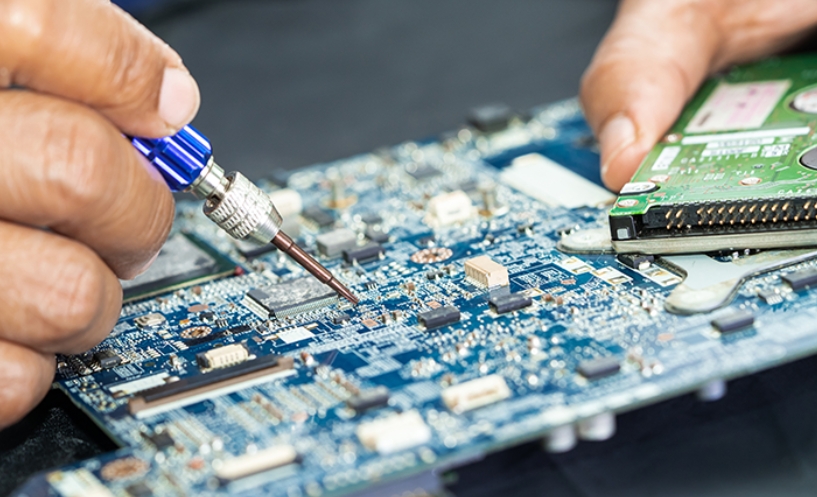
Why Manual PCB Soldering Quality Matters Although automated SMT PCB assembly is widely used in modern electronics manufacturing, manual PCB soldering remains essential for: Prototype PCB assembly Through-hole PCB assembly (THT) PCB rework and repair Low-volume electronics manufacturing Industrial and aerospace electronics maintenance However, improper manual soldering techniques can easily create PCB soldering defects, affecting:...

Ball Grid Array Technology Overview

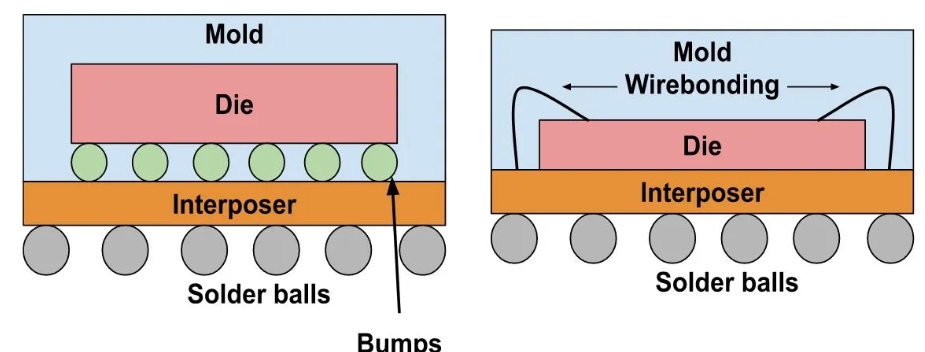
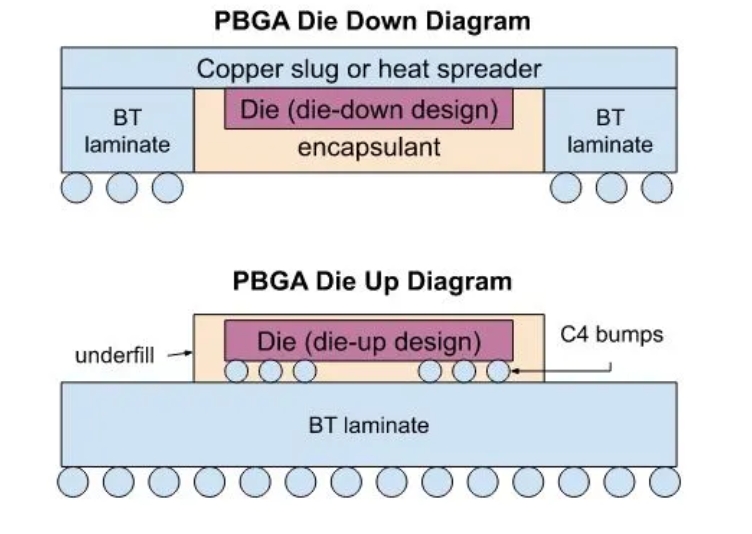
What Is Ball Grid Array (BGA) Technology? Ball Grid Array (BGA) is an advanced surface mount packaging technology widely used in modern electronic products requiring high pin counts, high-speed signal transmission, and compact PCB layouts. Unlike traditional leaded packages, BGA components use an array of solder balls located underneath the package to create electrical and...

Chip Scale Package Basics

Chip-Scale Package (CSP) is a type of integrated circuit packaging technology. The size of the package is up to 1.2 times the size of the actual die, with only a single-die and a direct surface mountable package. First originating in the 1990s, it was developed as a response to the demand for smaller and more efficient...

PCB Thermal Design Guide: Tips For PCB Analysis and Performance

Electronics are becoming faster, smaller, and used in more demanding environments. Miniaturized ICs and SMDs operate at higher frequencies and require more power. Increased current demands cause voltage drops across resistive elements, generating heat and leading to temperature rises and hotspots. Over half of electronic component failures now stem from heat-related stress. To develop high-quality circuit...

Common PCB Tolerances for Manufacturing

PCB tolerances for manufacturing refer to the allowable variations from specified dimensions, encompassing: material thickness, copper thickness, drilling, plating, and solder masks. These PCB tolerances ensure that PCB circuit boards are produced precisely and can function as intended. Manufacturers adhere to specific in-house tolerance guidelines, based on international standards like IPC-A-600 Class 2, to maintain quality throughout the...

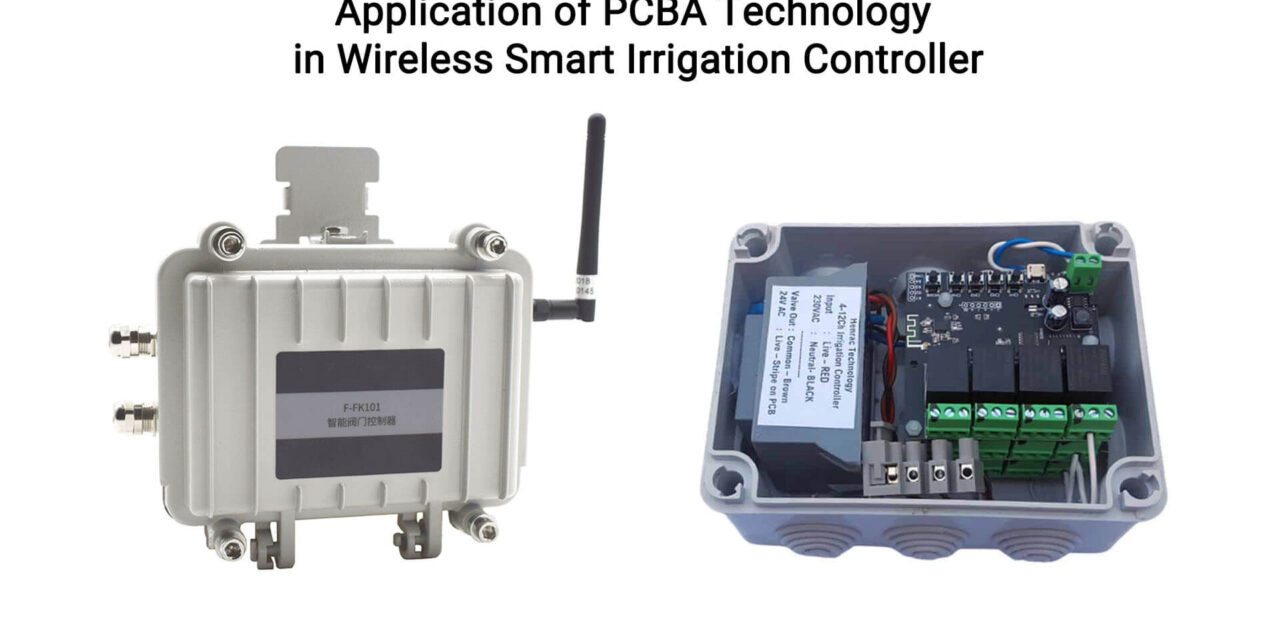
The core control module of the wireless smart irrigation controller adopts a high-performance PCBA circuit board

Smart Water-Saving Irrigation Control System Solution Background Overview With the increasing global water scarcity, especially in large-scale agricultural planting areas, traditional irrigation methods face issues such as water waste, cumbersome manual operations, and imprecise irrigation control. To address these pain points, we have helped our customers develop a wireless smart irrigation controller PCBA. This controller utilizes...

Optimizing Small Wind Turbine Inverters: Enhancing Stability & Reliability

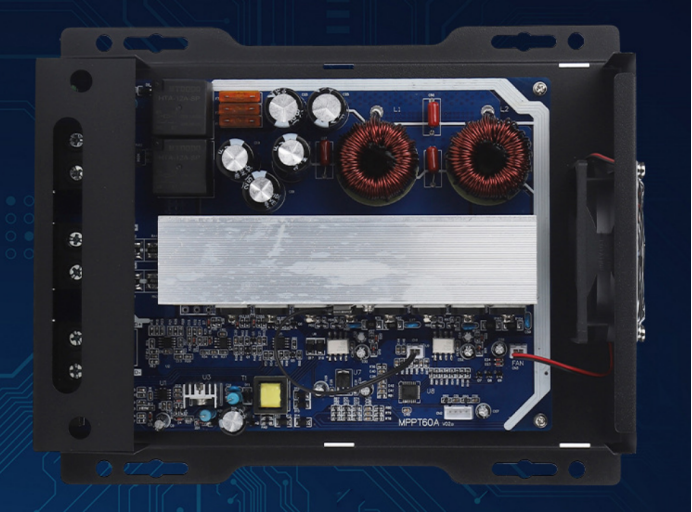
Optimizing Small Wind Turbine Inverters: Enhancing Stability & Reliability Customer Background & Market Demand Germany is a global leader in renewable energy, with its Energiewende (energy transition) policy driving widespread adoption of distributed wind power for rural electrification, industrial parks, and off-grid energy solutions. Small Wind Turbines (SWTs) have become an essential power supply option due to their flexibility...

KKPCB Case Study: High-Frequency Fiber Optic Transceiver PCB for Fiber Instrument Sales

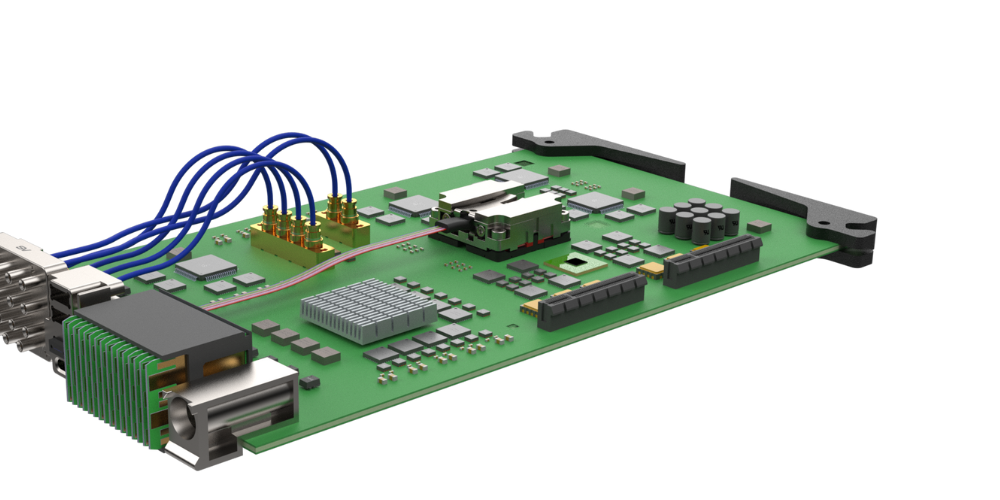
1. Customer Profile Client:  Anonymous Industry: Fiber Optic Test & Measurement, High-Speed Data Transmission Application: Next-gen 100G/400G+ optical transceivers, OTDR equipment, and 50GHz RF test modules. FIS designs precision fiber optic tools, requiring ultra-low-loss PCBs to maintain signal integrity at millimeter-wave frequencies (up to 50GHz). Their challenges include: Insertion loss degrading high-speed signals (>40Gbps). Impedance mismatches causing reflection noise. Thermal expansion leading to microvia cracking in compact...