HomeAuthor

kkpcba-辛迪 - KKPCB - Page 3 of 61

Advantages, Challenges, and Design Considerations in Modern PCB Manufacturing

The Evolution of Embedded Component Technology in Modern Electronics Looking back at the evolution of computing—from Apollo workstations and early mainframes to ultrathin laptops and smartphones—the miniaturization of electronic components has always been central to technological progress. As devices become smaller and more powerful, engineers must balance form factor, functionality, PCB materials, signal integrity, power...
Warm-Metallurgy Processing Enables High Ductility and Ultra-High Mobility Films

The Growing Demand for Advanced Electronic Film Materials As modern electronics continue evolving toward: flexible electronics wearable devices transparent displays high-speed semiconductors advanced sensors next-generation communication systems the demand for high-performance conductive and semiconductor films has increased dramatically. Conventional thin-film materials often face major limitations involving: low mechanical flexibility brittle fracture behavior reduced carrier mobility...

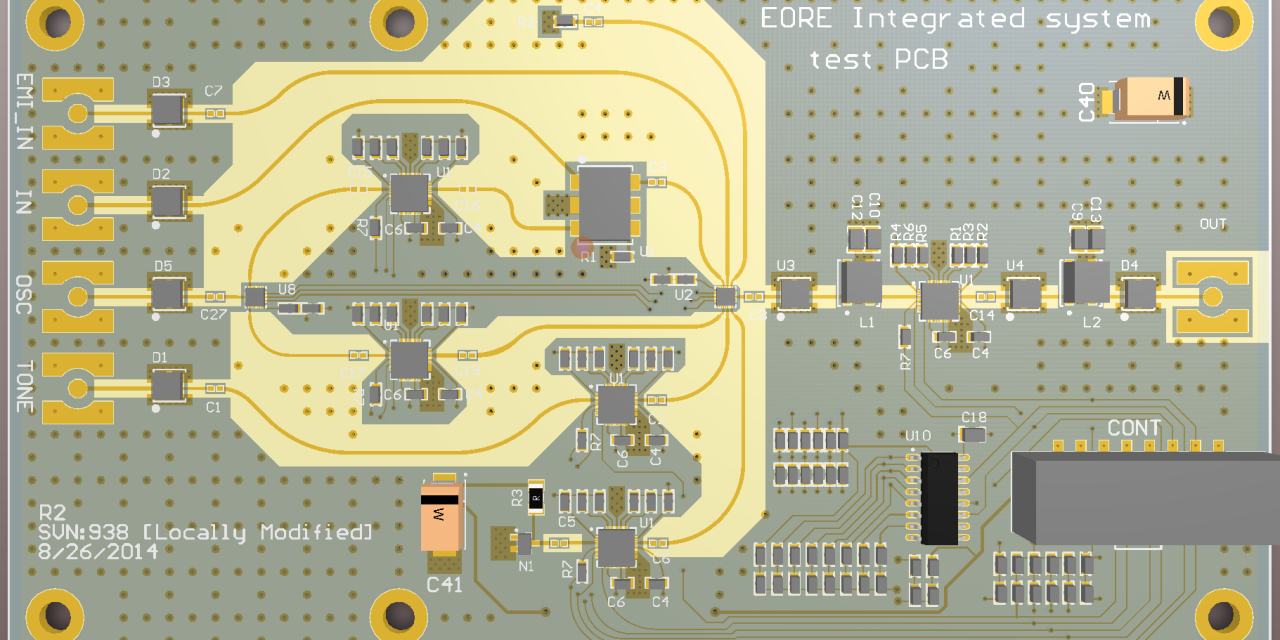
Impedance Matching in HDI PCB Design

In modern HDI PCB design (High-Density Interconnect PCB design), achieving precise impedance matching is essential for maintaining signal integrity, minimizing reflection, and ensuring high-speed signal transmission. As data rates increase and circuit density grows, impedance control in HDI PCB layout becomes more complex due to fine trace geometries, microvias, and multilayer stack-ups. Effective impedance matching...

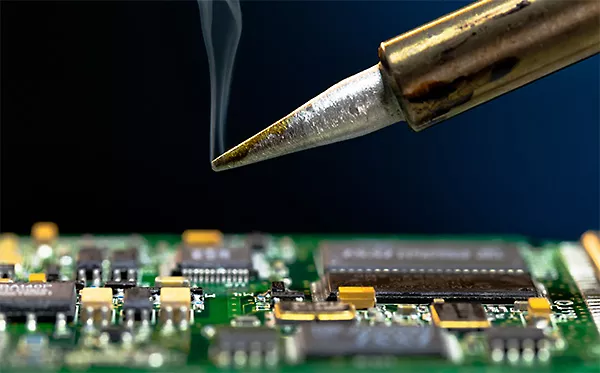
New technological solutions in reflow soldering

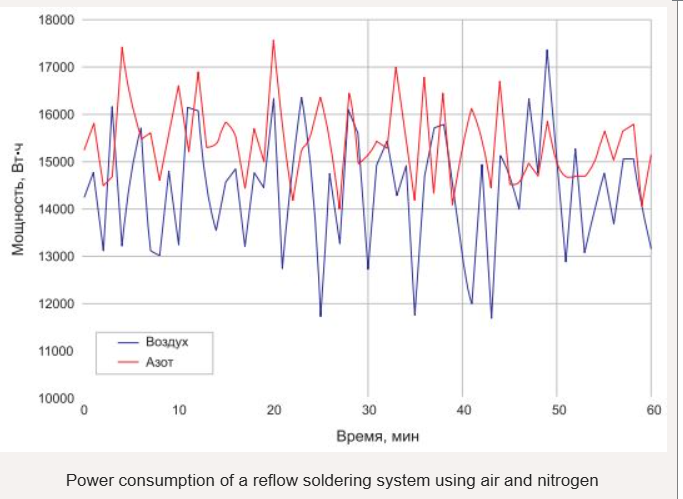
Convection soldering systems remain the primary surface-mount method worldwide, primarily due to their versatility, high efficiency, and excellent heat transfer properties. These properties have become paramount today. The advancement of digitalization, growing production volumes, the diversity of electronic components, and, importantly, the production of printed circuit boards worldwide require efficient and easily configurable production equipment....

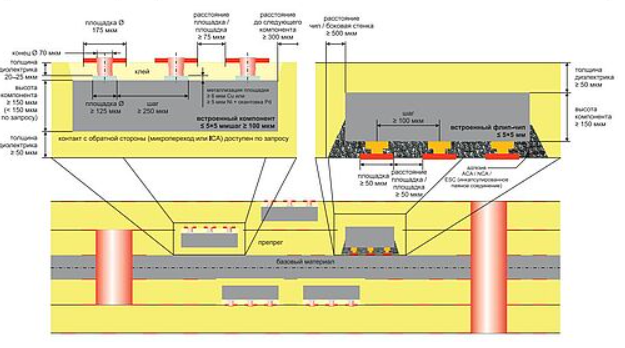
Printed Circuit Boards with Embedded Components: From Concept to Production

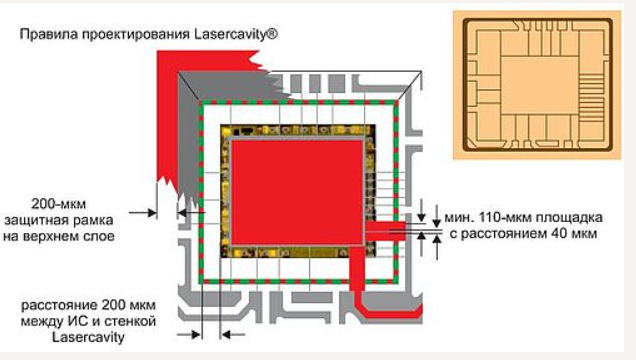
Looking back and examining the evolution of computing technology, we see that many products widely used in everyday life today have changed significantly over time. Looking back at Apollo workstations, the first PCs, and mainframes that could occupy entire floors of buildings, it becomes clear that miniaturization has been the foundation of technological progress. Recent...

Comprehensive Guide to Flux Application in PCBA: Coating Methods, Process Characteristics, and Key Usage Points

Flux is the “unsung hero” in the PCBA (Printed Circuit Board Assembly) process, directly affecting solder joint quality, production efficiency, and product reliability. Understanding flux application methods, process characteristics, and key precautions is essential for any electronics manufacturer. This guide explores these aspects to help engineers optimize flux application in PCBA. I. Four Mainstream Flux...

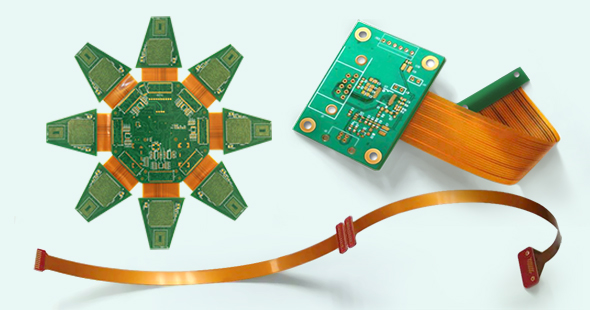
Rigid-Flex PCB Design Challenges and Solutions for High-Quality Circuits

Rigid-flex PCBs combine the flexibility of FPCs with the strength of rigid boards, making them essential in modern electronic devices. Designing high-quality circuits for rigid-flex PCBs requires careful attention to flexible areas, bending zones, and reinforcement materials. This guide explores key challenges and practical solutions for optimal rigid-flex PCB design. 1. Flexible Partition Line Design...

The Secrets of High-Frequency PCB Stack-Up Design: Importance, Principles, and Optimization Strategies

In high-speed and high-frequency electronic applications, RF PCB stack-up design plays a decisive role in ensuring stable performance, minimal signal loss, and electromagnetic compatibility. Proper PCB layer stack-up is not just a structural consideration—it directly determines signal integrity, impedance control, and overall product reliability. This article reveals the core principles of RF PCB stacking, explains...