kkpcba-Cindy - KKPCB - Page 29 of 75
 
HomeAuthor

kkpcba-Cindy - KKPCB - Page 29 of 75

How to Design a 2-Layer Flex PCB

Flexible PCBs (printed circuit boards) provide the ability to bend and conform to various shapes, making them an essential technology for space-constrained and dynamic applications. A 2-layer flex PCB contains a flexible dielectric layer sandwiched between two conductive copper layers. Designing these PCBs requires unique considerations, including material selection, layout techniques, manufacturability, and reliability. This guide outlines a step-by-step...
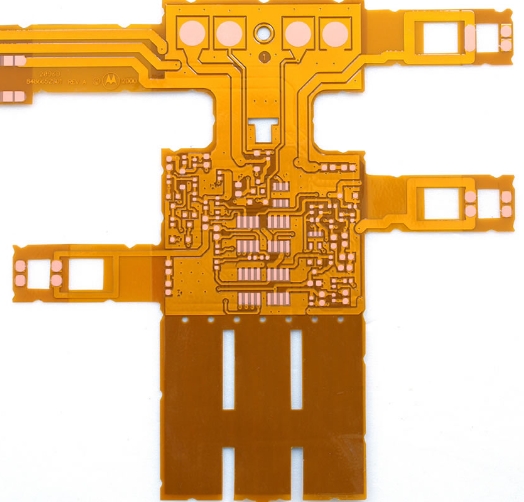
What is Flexible PCB Assembly: Advantages and Process

Flexible printed circuit boards (PCBs) are a cornerstone of modern electronics, found in devices like smartphones, cameras, and electric vehicles. Unlike traditional rigid PCBs made from FR4 (flame retardant material), flexible PCBs utilize polymer substrates such as polyimide, resulting in their signature amber or orange appearance. These boards offer enhanced versatility, lighter weight, and better adaptability...

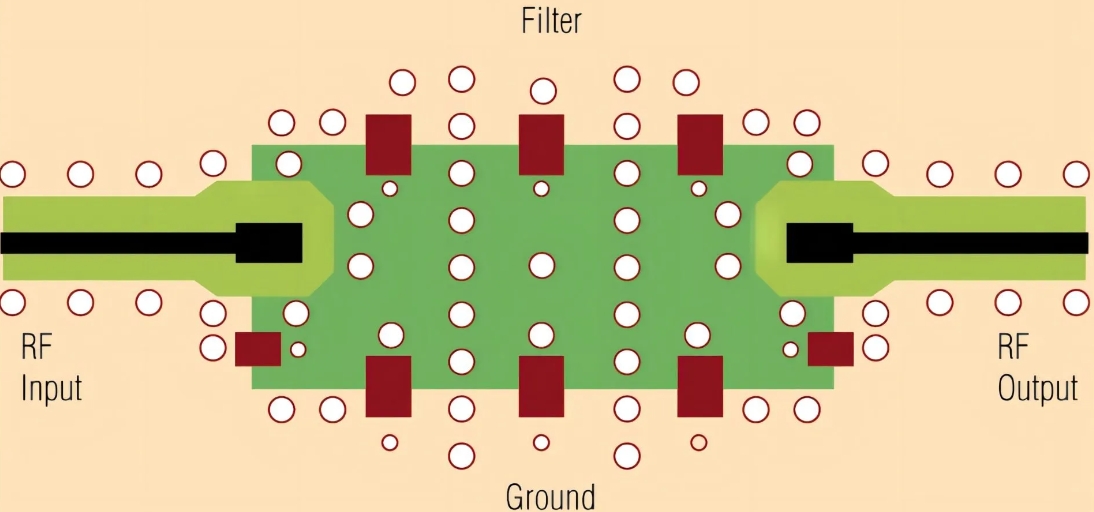
Comprehensive Guide to RF PCB Design

The rise of high-tech electronic devices, from smartphones to IoT-enabled gadgets, has fueled the demand for Radio Frequency (RF) PCBs, which facilitate wireless communication by transmitting and receiving RF signals. While RF PCB design shares some similarities with traditional PCB design, it introduces unique complexities such as signal integrity, impedance matching, and high-frequency performance. This article...

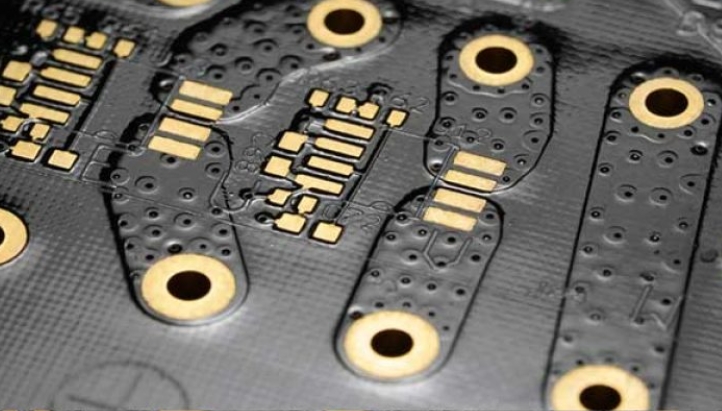
Annular Ring in PCB: Key Considerations for Design and Manufacturing

The annular ring is a critical aspect of printed circuit board (PCB) design and manufacturing. It plays a vital role in ensuring the electrical conductivity and mechanical reliability of vias, which connect different PCB layers. Understanding what constitutes a good or bad annular ring and adhering to IPC standards is essential for achieving optimal PCB performance. What is an Annular...

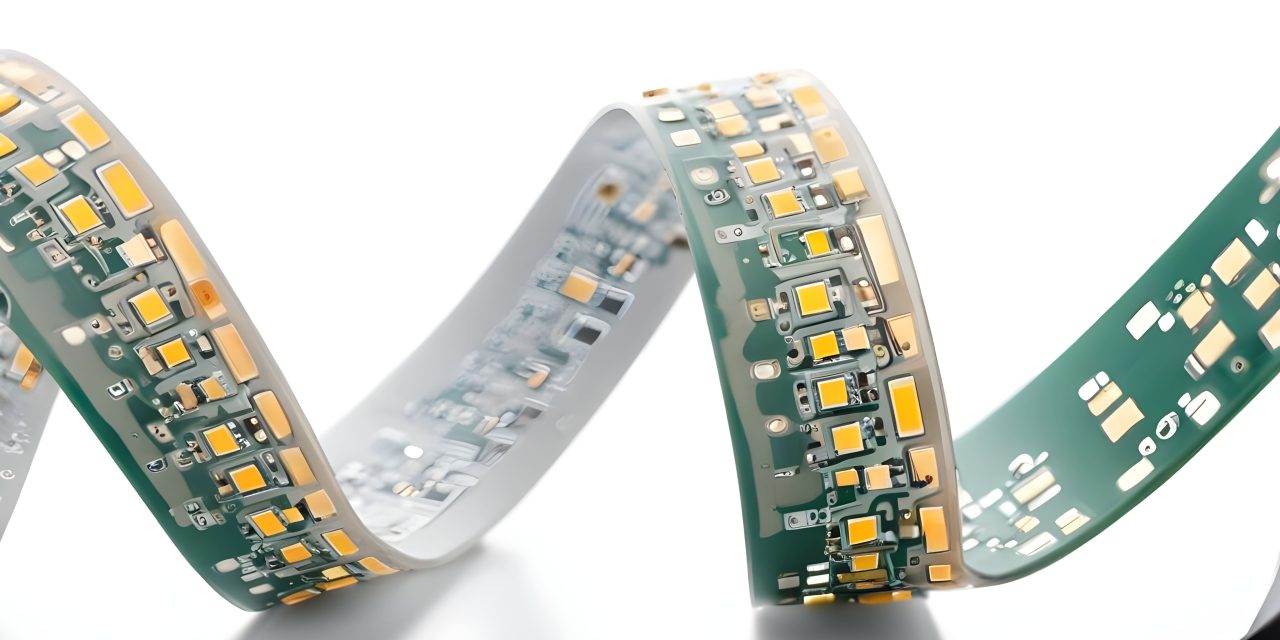
How to Choose the Right Material for Flexible LED PCB

A Complete Engineering & Manufacturing Guide Introduction As LED technology continues to evolve toward miniaturization, higher brightness, and complex installation environments, traditional rigid PCBs can no longer meet all structural and thermal requirements.This is why Flexible LED PCBs have become a core enabling technology in modern lighting and electronic design. Flexible LED PCBs combine: Mechanical...

What to Look For When Choosing a Fast Flex PCB Manufacturer

What Are Fast Turn Flex PCBs? Fast Turn PCBs are printed circuit boards manufactured and assembled in a short time frame. This process is widely adopted by electronics companies because it ensures high-quality products while being cost-effective and time-efficient. In a competitive market for home appliances and electronics, fast turn flex PCBs meet the demand for large-scale production while...

How to Choose the Right Flexible PCB Material for Your Project

Printed Circuit Boards (PCBs) are the backbone of all electronic devices, akin to how cells are the foundation of the human body. As the structural framework of every electronic product, PCBs must be efficient and well-constructed. Therefore, selecting the right PCB material is crucial, as it significantly impacts the product’s efficiency, performance, durability, and reliability. Choosing the appropriate...

The Impact of IoT on PCB Design and Manufacturing

Introduction The Internet of Things (IoT) is revolutionizing industries worldwide, and its influence on Printed Circuit Board (PCB) design and manufacturing is profound. As IoT devices become more compact, efficient, and interconnected, the demand for innovative PCB designs has surged. This blog delves into how IoT is transforming PCB design and manufacturing, the challenges it poses, and...

Copper Core PCB: A Revolution in the Electronics Industry

In the ever-evolving world of electronics, the demand for high-performance, reliable circuits continues to soar. Copper core PCBs (Copper Metal Core PCBs) have emerged as a key solution, providing unmatched thermal management and structural integrity for countless applications. In this article, we will briefly outline the scope of our exploration, highlighting the characteristics of copper core PCBs...

Semi-Rigid PCBs: The Future of Compact and Durable Electronics

In the past decade, electronic devices have become increasingly thinner, smarter, and more compact. As the demand for miniaturization and efficiency grows, semi-rigid PCBs have emerged as a well-deserved trend. Their adaptability and versatility make them ideal for applications requiring effective space utilization and enhanced reliability. What is a Semi-Flexible PCB? A semi-flexible PCB is a type of printed...