kkpcb04 - KKPCB - Page 15 of 104
 
HomeAuthor

kkpcb04 - KKPCB - Page 15 of 104

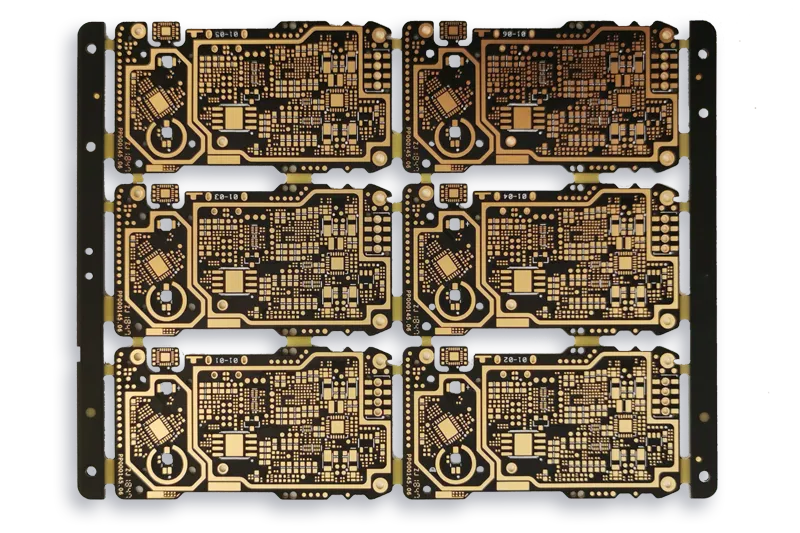
Impedance Controlled PCB: Ensuring Signal Integrity in High-Speed Electronics

As electronic devices continue to operate at higher speeds, maintaining signal integrity becomes a critical design challenge. Variations in impedance along a signal path can cause reflection, signal loss, and timing issues, potentially compromising system performance. Impedance controlled PCBs are specifically designed to maintain a consistent impedance across high-speed traces, ensuring reliable signal transmission in...

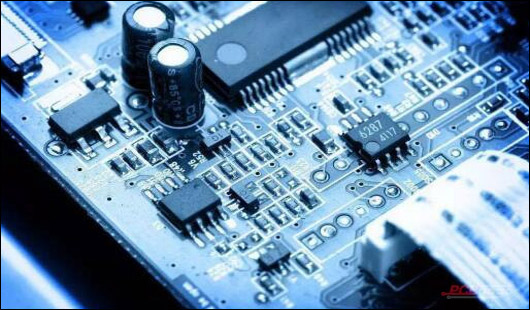
High Frequency Sensor PCB: Design and Manufacturing for Precision Signal Detection

With the rapid development of IoT, smart devices, and industrial automation, sensors are becoming increasingly important in modern electronic systems. Many advanced sensing technologies operate at high frequencies to achieve greater accuracy, faster response times, and improved detection capabilities. At the core of these systems lies the High Frequency Sensor PCB, which enables stable signal...

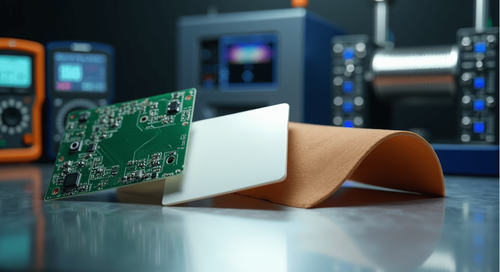
RO4835 PCB: High-Performance Low-Loss Material for RF and Microwave Applications

As RF and microwave technologies continue to evolve, the demand for high-frequency PCB materials with low signal loss and stable dielectric performance has increased significantly. These materials are essential for applications such as wireless communication systems, radar modules, antennas, and satellite equipment. RO4835 PCB is a high-performance laminate designed specifically for RF circuit applications. It...

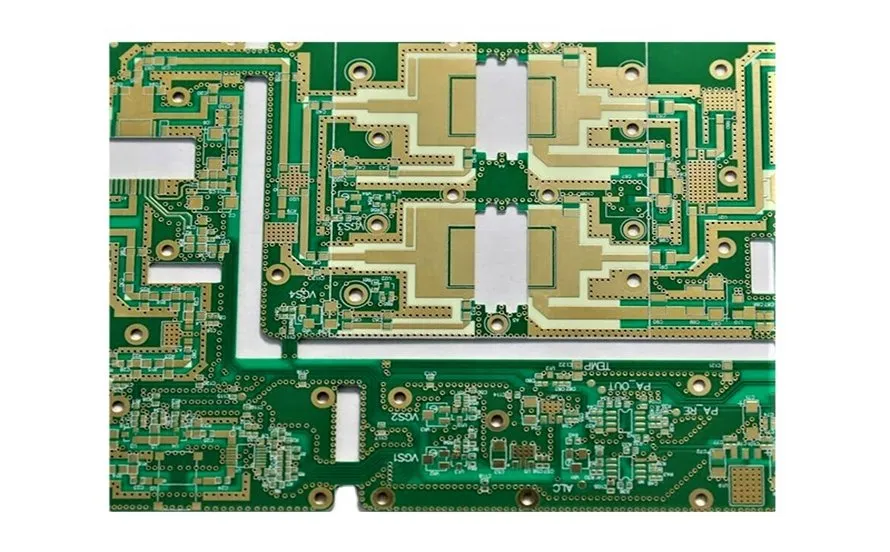
RF-35 PCB: A Reliable Low-Loss Material for High-Frequency RF Applications

As wireless communication technologies continue to evolve, the demand for reliable high-frequency PCB materials has increased significantly. Applications such as RF communication systems, antennas, radar modules, and microwave devices require PCB substrates that provide stable electrical performance and low signal loss. One widely used solution in RF circuit design is the RF-35 PCB, a high-frequency...

Alumina PCB: High-Reliability Ceramic Substrate for High-Power and High-Frequency Electronics

As electronic devices become more powerful and compact, traditional PCB materials such as FR-4 may struggle to meet the demands of high thermal performance and extreme operating environments. This challenge has led to the increasing adoption of Alumina PCB, a ceramic-based circuit substrate known for its outstanding thermal and electrical properties. Alumina PCBs provide excellent...

5G Router PCB: Key Design Considerations for High-Speed Wireless Networking

The global expansion of 5G networks has accelerated the demand for high-performance communication hardware. Among these devices, 5G routers play a critical role in delivering ultra-fast wireless connectivity for homes, enterprises, industrial IoT systems, and smart cities. At the core of every high-performance router is the 5G Router PCB, which integrates RF modules, baseband processors,...

ADAS PCB: The Backbone of Reliable Advanced Driver Assistance Systems

The rapid development of autonomous driving technology has accelerated the adoption of Advanced Driver Assistance Systems (ADAS). These systems integrate radar modules, cameras, LiDAR sensors, and AI computing platforms to enhance driving safety and reduce accidents. Behind these intelligent automotive systems lies a critical hardware component: the ADAS PCB. A well-designed ADAS PCB ensures stable...

Multilayer HF PCB: High-Frequency Multilayer Circuit Boards for RF and Microwave Applications

Introduction to Multilayer HF PCB With the rapid advancement of wireless communication, radar systems, and high-speed electronics, the demand for Multilayer HF PCB (High-Frequency PCB) technology continues to grow. A Multilayer HF PCB is designed to support high-frequency signal transmission while integrating multiple circuit layers into a compact structure. Compared with traditional PCB designs, multilayer...

Blind Via PCB: Advanced Interconnect Technology for High-Density Multilayer Circuit Boards

As electronic devices become smaller, faster, and more complex, PCB designers must adopt advanced interconnection technologies to achieve higher circuit density. Blind Via PCB technology is widely used in modern HDI PCB designs to enable efficient routing between layers without occupying unnecessary space on the entire board. A Blind Via PCB uses vias that connect...

UAV PCB: High-Reliability Circuit Boards for Unmanned Aerial Vehicle Systems

Unmanned Aerial Vehicles (UAVs), commonly known as drones, rely on advanced electronic systems to perform navigation, communication, imaging, and flight control functions. At the core of these systems is the UAV PCB, which integrates critical electronic components to ensure stable operation, lightweight design, and high reliability during flight. UAV PCBs must operate under demanding conditions...