thermal management PCB - KKPCB
 
HomeTag

thermal management PCB - KKPCB

Alumina PCB: High-Reliability Ceramic PCB for Power and Thermal Applications

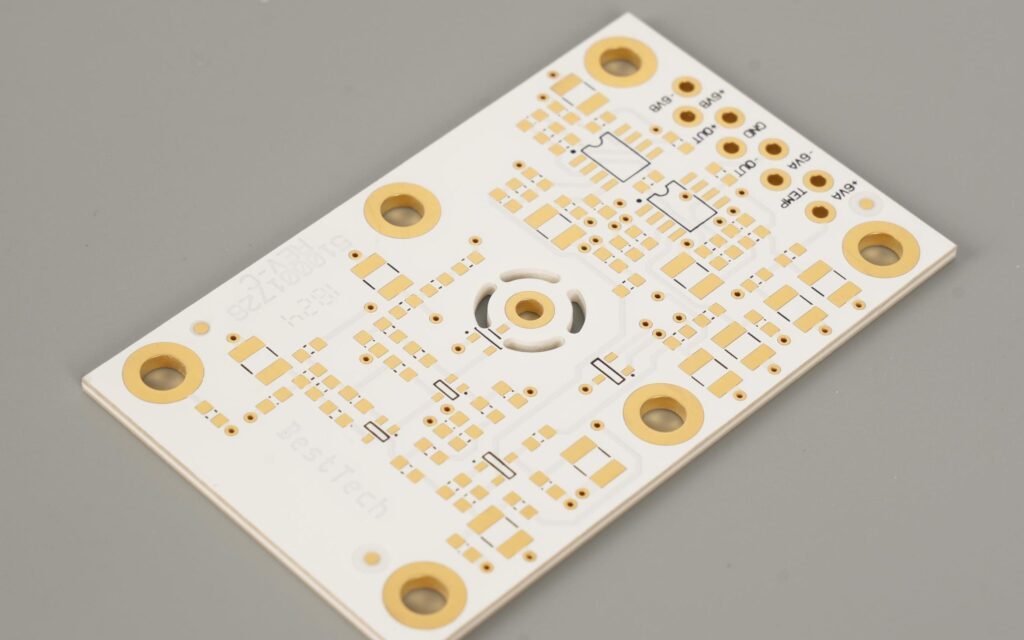
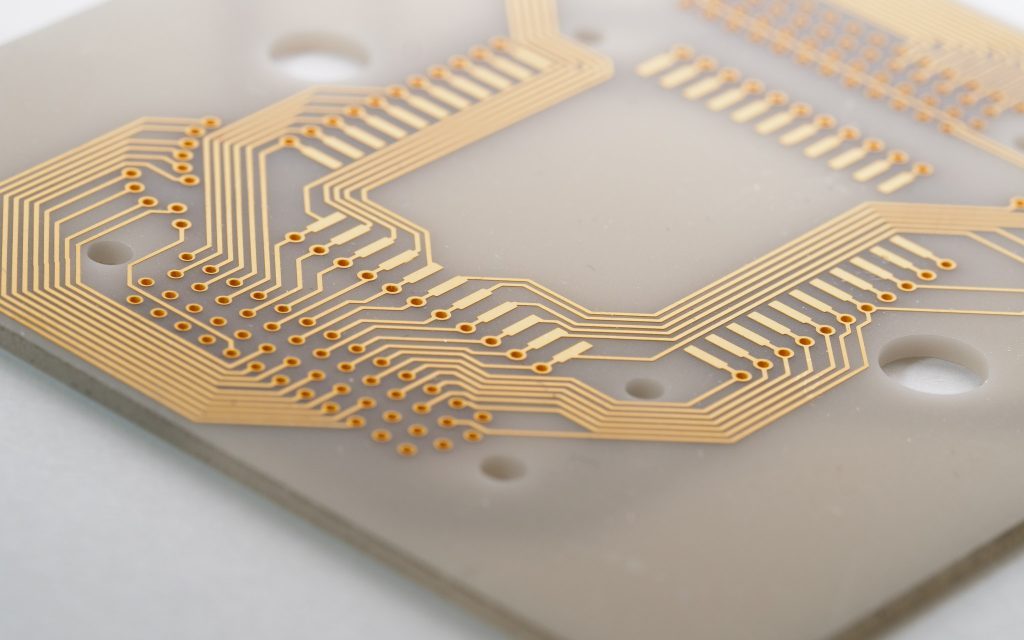
What Is Alumina PCB? An Alumina PCB is a ceramic printed circuit board fabricated using aluminum oxide (Al₂O₃) as the substrate material. Alumina ceramic PCBs are widely used in high-power, high-temperature, and high-reliability electronic applications due to their excellent thermal conductivity, electrical insulation, and mechanical strength. Compared with traditional FR-4 PCBs, Alumina PCBs provide superior...

Hybrid PCB Materials: Combining Performance and Reliability for Advanced PCB Designs

What Are Hybrid PCB Materials? Hybrid PCB materials refer to printed circuit boards made from a combination of two or more substrate types, such as FR-4, metal-core, PTFE, or ceramic, to achieve specific electrical, thermal, or mechanical properties. Hybrid PCB materials are widely used in advanced PCB designs, where a single material cannot meet all...

Hybrid PCB Materials: Engineering Multi-Material Boards for Signal Integrity, Thermal Management, and Reliability

Hybrid PCB materials combine two or more substrate types—such as high-speed laminates, low-loss materials, BT epoxy, and ceramics—to create boards optimized for electrical performance, thermal management, and mechanical stability. Unlike single-material PCBs, hybrid designs allow engineers to tailor material properties to different areas of the circuit, achieving performance levels unattainable with conventional laminates. Why Hybrid...

Hybrid PCB Materials for Optimized Signal Integrity, Thermal Management, and Reliability in Advanced Electronics

Hybrid PCB materials are engineered substrates that combine multiple material types to achieve optimized electrical, thermal, and mechanical performance in demanding electronic applications. By integrating properties of FR-4, high-frequency laminates, PTFE, or ceramic materials, hybrid PCBs enable designers to meet multi-domain requirements that a single material cannot satisfy. Material Characteristics of Hybrid PCB Materials The...

Material-Driven Aluminum Nitride PCB Design for Thermal and Electrical Stability

An Aluminum Nitride PCB (AlN PCB) is a ceramic-based circuit substrate engineered for electronic systems that demand exceptional thermal conductivity, electrical insulation, and dimensional stability under high power density and elevated temperature conditions. In power electronics and high-reliability applications, material selection is not a secondary decision—it defines system performance limits. Material-driven Aluminum Nitride PCB design...

Designing Ceramic PCBs for Efficient Heat Dissipation in Power and High-Voltage Electronics

A Ceramic PCB is a high-performance circuit substrate engineered for applications that demand excellent thermal conductivity, electrical insulation, and long-term reliability under harsh operating conditions. Unlike organic PCB materials such as FR-4 or PTFE, ceramic PCB substrates are inorganic, enabling stable electrical and mechanical performance at elevated temperatures and high power densities. Ceramic PCB technology...

Aluminum Nitride PCB (AlN PCB): High Thermal Conductivity Ceramic Substrate for Power Modules and Advanced Electronics

As modern electronics continue to evolve toward higher power density, smaller packaging, and harsher operating environments, thermal performance has become one of the most important factors in PCB material selection. In applications such as EV power modules, IGBT and MOSFET power stages, SiC/GaN devices, and high brightness LED modules, traditional FR-4 PCBs often cannot provide...

Ceramic PCB: High Thermal Conductivity Substrate for Power Electronics and High Reliability Applications

As modern electronics move toward higher power density, smaller form factors, and more demanding operating environments, thermal performance has become one of the most critical design factors. In applications such as power modules, LED lighting, automotive electronics, industrial power control, and advanced SiC/GaN power devices, conventional FR-4 PCBs may struggle with heat dissipation, long-term reliability,...

Power Integrity PCB: Ensuring Stable Voltage and Reliable High-Speed Electronics

What Is a Power Integrity PCB? A Power Integrity PCB (PI PCB) is designed to maintain stable voltage, low noise, and reliable power delivery across high-speed circuits and high-density electronic systems. In modern electronics, where switching speeds are faster and current densities higher, power integrity is crucial to avoid voltage drops, ground bounce, and signal...

High Current PCB Solutions for Stable Power Delivery and Thermal Reliability

What Is a High Current PCB? A High Current PCB is a printed circuit board specifically engineered to carry and distribute large electrical currents safely and efficiently. Unlike standard PCBs, high current PCBs utilize heavy copper layers, wide trace designs, and optimized thermal management to minimize power loss, prevent overheating, and ensure long-term reliability. High...