RO4350B PCB - KKPCB
 
HomeTag

RO4350B PCB - KKPCB

Optimize Thermal Reliability and EMI Control of RO4350B PCBs for Laptop Wi-Fi 6/7 Modules

With the rapid adoption of Wi-Fi 6 and Wi-Fi 7 technologies, laptop wireless modules are operating at higher frequencies, greater data rates, and increased power densities. This evolution introduces new challenges in thermal reliability and electromagnetic interference (EMI) control. RO4350B PCBs, widely used in high-frequency applications, offer an ideal balance between electrical performance, thermal stability,...

Enhance Signal Integrity and Power Density with RO4350B PCB Designs in 5G Smartphone RF Front-Ends

RO4350B PCB materials are widely deployed in 5G smartphone RF front-end modules because they provide a balanced dielectric profile, low-loss characteristics, and stable RF transmission up to sub-6 GHz and selected mmWave bands. Modern antenna arrays, PA/LPF modules, LNA chains, and tunable impedance networks face stringent constraints in signal integrity, power density, EMI coupling, and...

RF Testing and Reliability Evaluation of RO4350B PCBs for High-Frequency Modules

As high-frequency modules continue to evolve in RF communication, radar, and 5G systems, ensuring the performance and durability of RO4350B PCBs has become a critical aspect of RF PCB design and manufacturing. RO4350B PCB laminates, widely used in high-frequency PCB applications, offer low dielectric loss, stable dielectric constant, and excellent thermal performance. However, achieving optimal...

RO4350B PCB Hybrid Stackup Design and Lamination Challenges in Mass Production

As high-frequency PCB design becomes increasingly prevalent in RF, 5G, and high-speed digital systems, the use of RO4350B PCB materials in combination with standard FR4 has led to the widespread adoption of hybrid PCB stackup design. A RO4350B hybrid stackup PCB enables designers to balance cost efficiency and high-frequency performance, making it ideal for complex...

How RO4350B PCB Powers Next-Generation 5G Antenna Array Modules

Building the Backbone of 5G Antenna Performance with RO4350B PCB As 5G networks evolve toward higher frequencies (sub-6 GHz → mmWave) and denser integration, PCB performance has become a decisive factor in antenna module design.Engineers must now balance low insertion loss, thermal stability, and mass-production manufacturability—a challenge only a few materials can meet. That’s why...

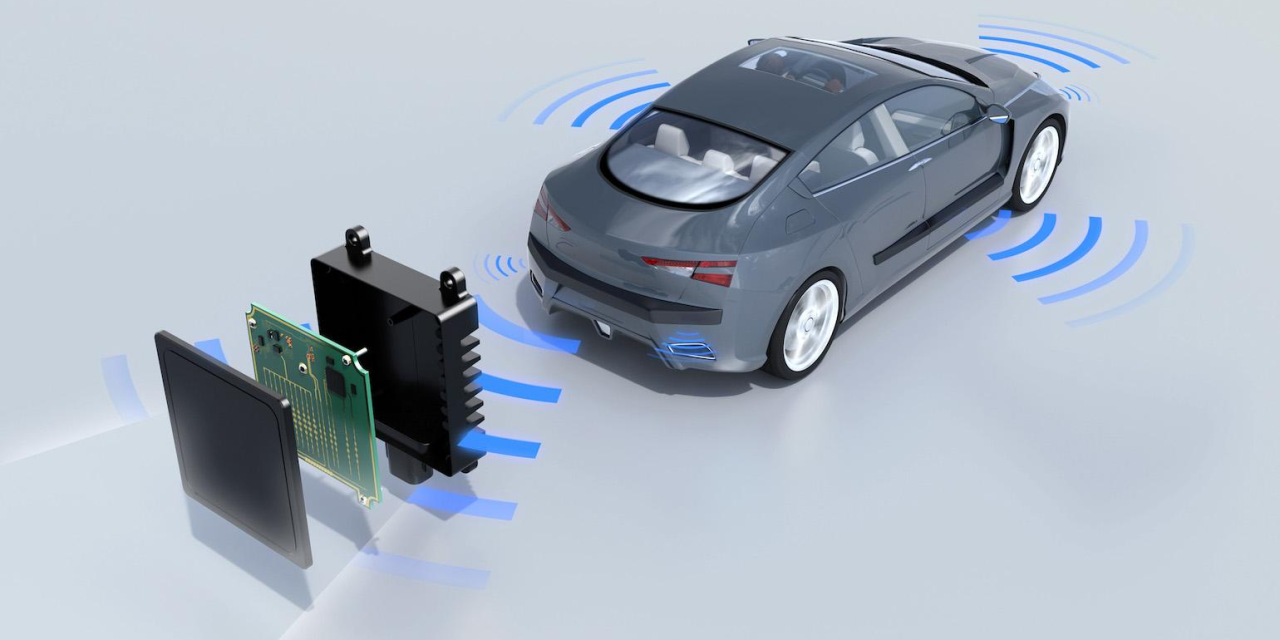
RO4350B PCB in 77GHz Automotive Radar: From Design Challenges to Mass Production

1. Introduction As the automotive industry races toward higher levels of autonomy, 77 GHz radar systems have become the backbone of advanced driver-assistance systems (ADAS).At these millimeter-wave frequencies, PCB material stability directly defines radar accuracy, signal phase consistency, and long-term reliability. Among all high-frequency laminates, Rogers RO4350B PCB has emerged as a proven and cost-effective...

RO3003 vs RO4350B: Which Rogers Material Is Better for 24GHz Applications?

1. Introduction As radar and wireless communication move into the 24GHz spectrum, selecting the right high-frequency PCB material becomes one of the most critical design decisions.Among the top contenders, Rogers RO3003 and RO4350B stand out for their reliable electrical performance and widespread industrial use. At KKPCB, our engineering team has extensive experience fabricating both RO3003...