PCB Design - KKPCB
 
HomeTag

PCB Design - KKPCB

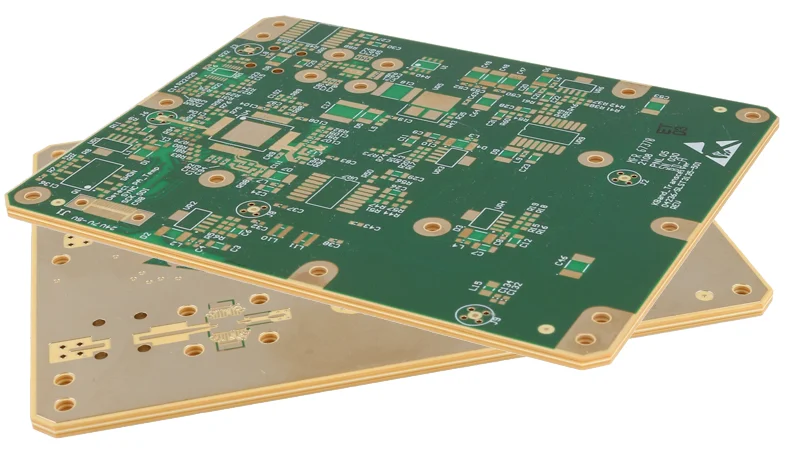
PCB Prototype Engineering: Achieving High Reliability, High Speed, and High Precision in Modern Electronics

Introduction: Why PCB Prototype Engineering Defines Modern Electronics A PCB Prototype is no longer just a pre-production sample—it is the central engineering stage that determines product performance, manufacturability, reliability, and cost.In advanced electronics such as 5G, IoT, robotics, automotive, aerospace, AI edge computing, and industrial automation, a well-engineered PCB Prototype ensures signal integrity, thermal stability,...

Advantages, Challenges, and Design Considerations in Modern PCB Manufacturing

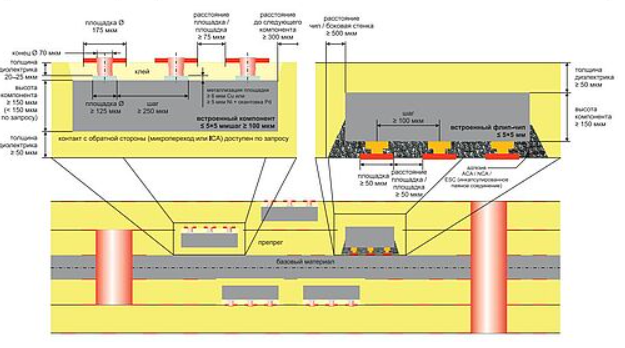
The Evolution of Embedded Component Technology in Modern Electronics Looking back at the evolution of computing—from Apollo workstations and early mainframes to ultrathin laptops and smartphones—the miniaturization of electronic components has always been central to technological progress. As devices become smaller and more powerful, engineers must balance form factor, functionality, PCB materials, signal integrity, power...

Medical PCB Manufacturing: Technologies, Design Principles & Advanced Applications

Medical PCB Manufacturing: Technologies, Design, and the Future of Electronic Healthcare As medical technology continues to evolve, diagnostics and treatments increasingly depend on sophisticated automated systems. These systems rely on high-precision PCBs (Printed Circuit Boards)—miniaturized, high-density circuit assemblies that integrate numerous components within limited space. To guarantee performance, medical PCB assemblies incorporate advanced design features...

Single Layer PCBs: A Complete Technical Guide to Structure, Design Rules, Manufacturing Processes, and Applications

Single Layer PCBs: A Comprehensive and Technical Guide Introduction Single-layer printed circuit boards (PCBs)—often referred to as single-sided or 1-layer PCBs—represent the most fundamental yet enduring form of PCB technology. Despite the fast-growing adoption of multilayer, HDI, and advanced substrate solutions, single-layer boards continue to dominate large segments of consumer electronics, industrial instrumentation, IoT nodes,...

ADAS PCB Layout Guidelines for Automotive Radar Systems: Best Practices for High-Frequency Design

ADAS PCB Layout Guidelines for Automotive Radar Systems In the rapidly advancing world of automotive technology, Advanced Driver Assistance Systems (ADAS) are revolutionizing how we drive, enhancing safety and intelligence in vehicles. At the heart of many ADAS features lies the automotive radar system, which relies on precise and effective printed circuit board (PCB) design...

PCB Design Guidelines for EMC Compliance

Why EMC Matters in PCB Design Electromagnetic Compatibility (EMC) is a key requirement in modern PCB design, ensuring that electronic systems operate reliably without generating or being affected by electromagnetic interference (EMI). Proper PCB layout—especially GND routing, trace spacing, and layer design—plays a decisive role in reducing ESD (Electrostatic Discharge) and improving overall signal integrity....

Why Should Vias Be Staggered from Pad Positions in PCB Design?

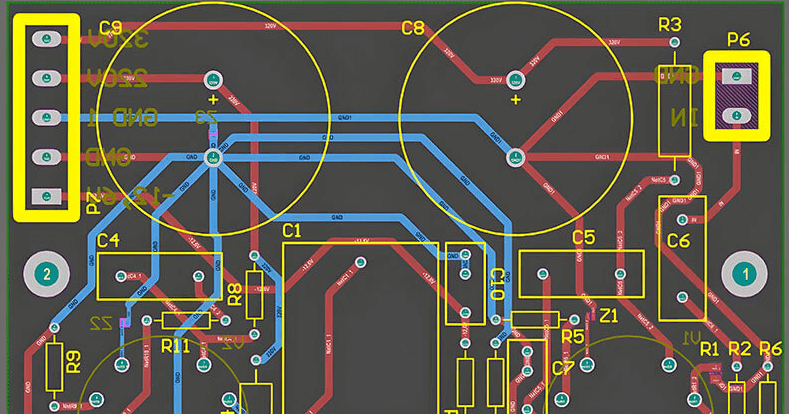
 The Importance of Via Placement in PCB Design In PCB design, via positioning plays a crucial role in ensuring electrical performance, manufacturing reliability, and signal integrity. Improper via placement—especially placing vias directly on component pads—can lead to soldering defects, electrical noise, and higher production costs. This article explains why vias should be staggered from pad...

PCBs for Industrial Automation: The Backbone of Modern Control Systems

PCBs for Industrial Automation: The Backbone of Modern Control Systems In the fast-evolving world of industrial automation, Printed Circuit Boards (PCBs) are the unsung heroes that power the technology behind every automated machine, robot, and control system. From factory floors to advanced robotics, choosing the right PCB is crucial to the success of your automation...

Mastering High-Speed PCB Test Point Design: Precision, Performance, and Signal Integrity

Mastering High-Speed PCB Test Point Design: Precision, Performance, and Signal Integrity In high-speed printed circuit board (PCB) design, test point placement is far more than a routine step—it’s a science of balance. The miniature metal pads scattered across a PCB may look simple, but their position, size, and electrical behavior can determine whether a product...

Explore how KKPCB engineers world-class radar PCBs for automotive, aerospace, and defense applications. Learn about design techniques, RF materials, and manufacturing precision for frequencies up to 77 GHz.

Radar PCB Overview Radar PCBs represent the pinnacle of high-frequency circuit design, bridging advanced RF engineering and precise manufacturing. These specialized boards operate in the 1 GHz – 77 GHz range, demanding exceptional signal integrity, low loss materials, and extreme reliability — especially in mission-critical applications like automotive radar, aerospace, and defense. KKPCB has extensive...