Blog

Explore the KKPCB Blog for the latest PCB manufacturing and assembly news, industry insights, expert tips, and technology trends, helping you stay informed and optimize your electronics projects.
Duroid 5880 PCB Dimensional Stability: 7 Critical Controls

Contents Why dimensional stability becomes an RF problem Seven production controls Outdoor radar release checklist Key takeaway Duroid 5880 PCB projects for outdoor radar often fail at the mechanical-to-RF interface rather than in the laminate specification. Seasonal temperature, moisture conditioning, panel handling, and connector datum changes can move a launch or array cell enough to...
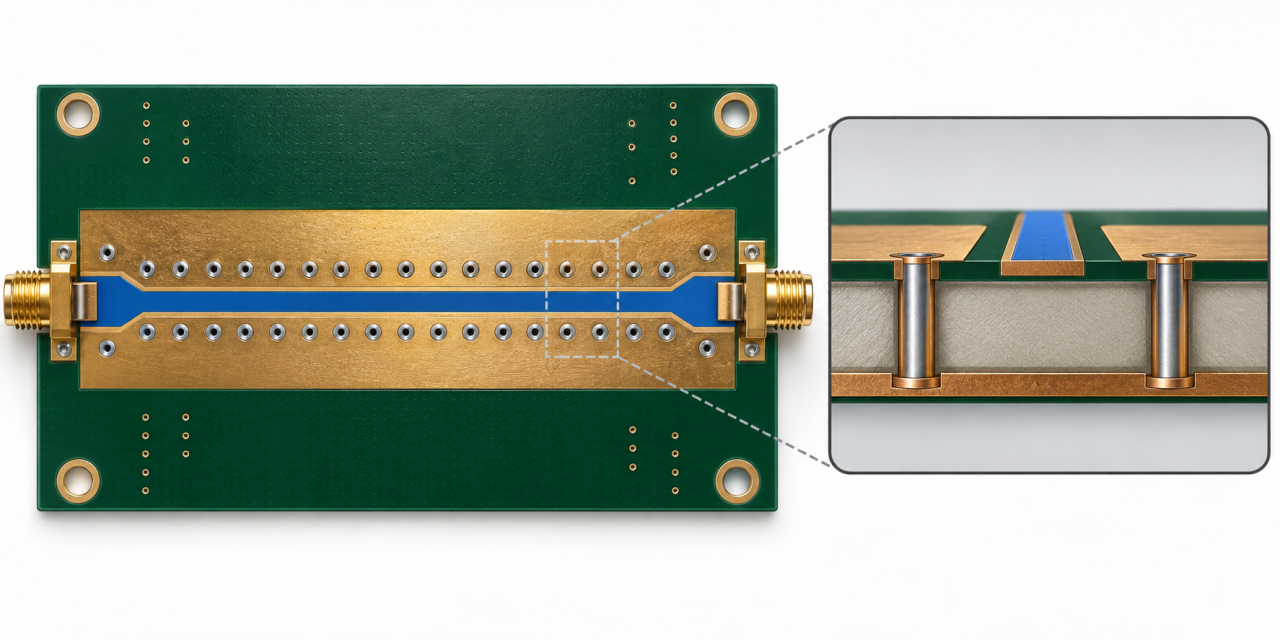
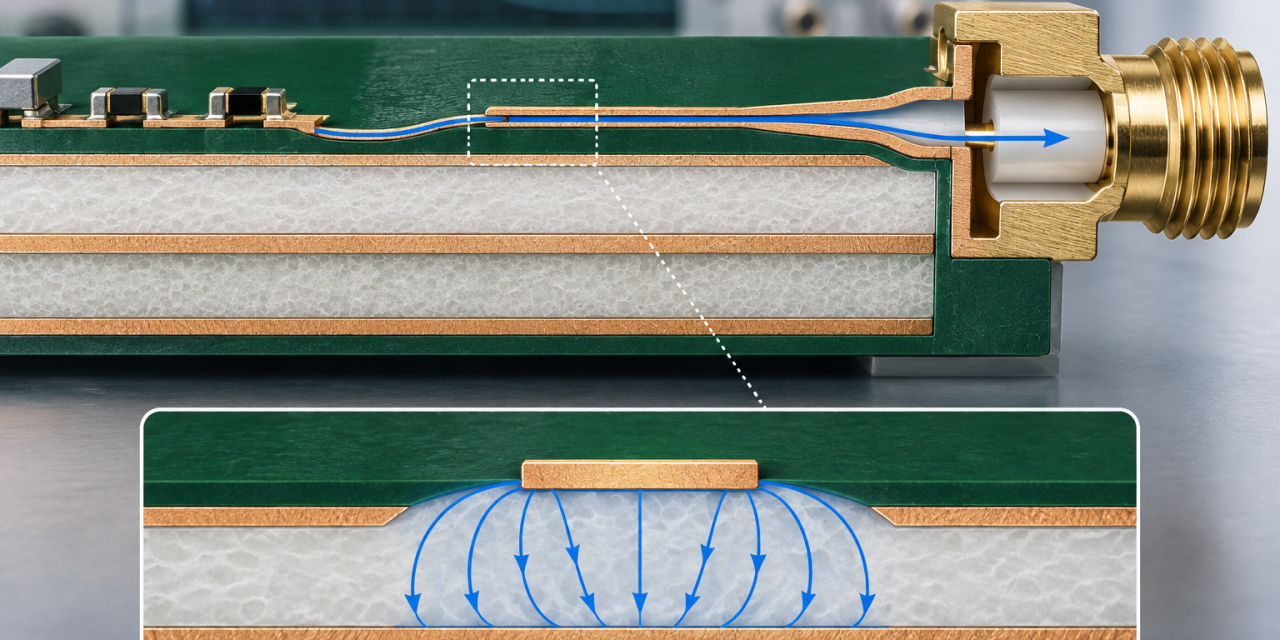
Duroid 5880 PCB Stackup: 7 Critical Controls for Low-Loss RF Fabrication

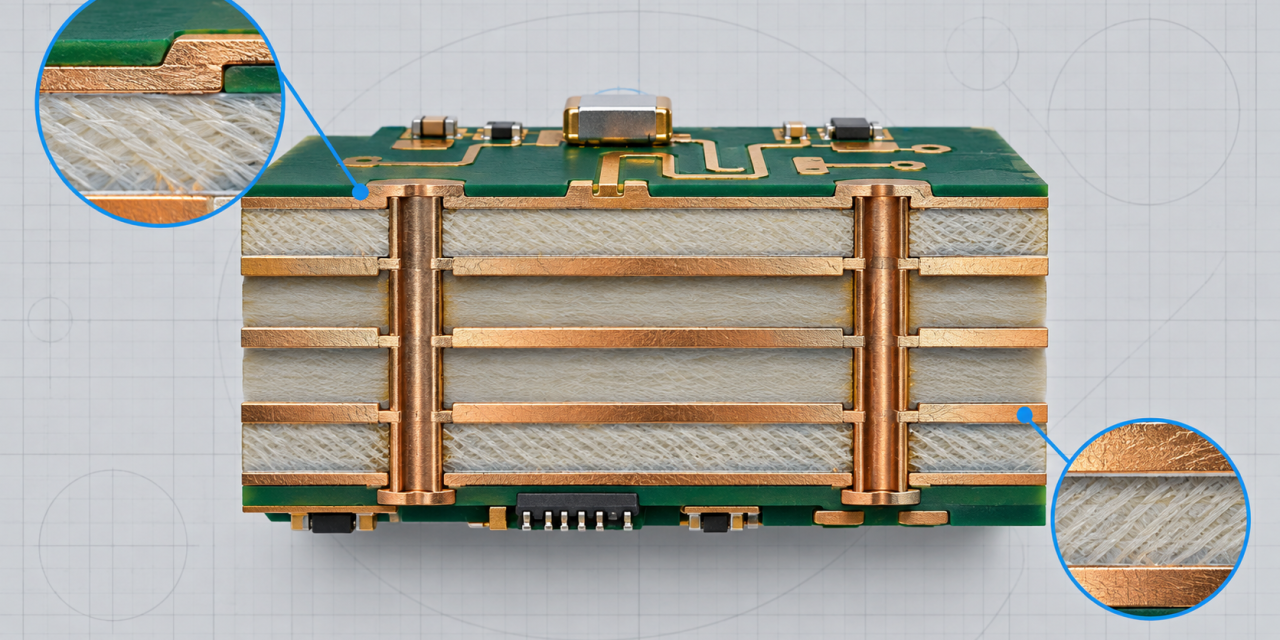
Microwave design teams often choose Duroid 5880 for its low-loss behavior, then discover that stackup translation and fabrication details decide whether the finished board matches the model. A production-ready Duroid 5880 PCB needs a controlled dielectric reference, consistent copper geometry, and inspection points that survive panel processing. This guide turns those requirements into a practical...

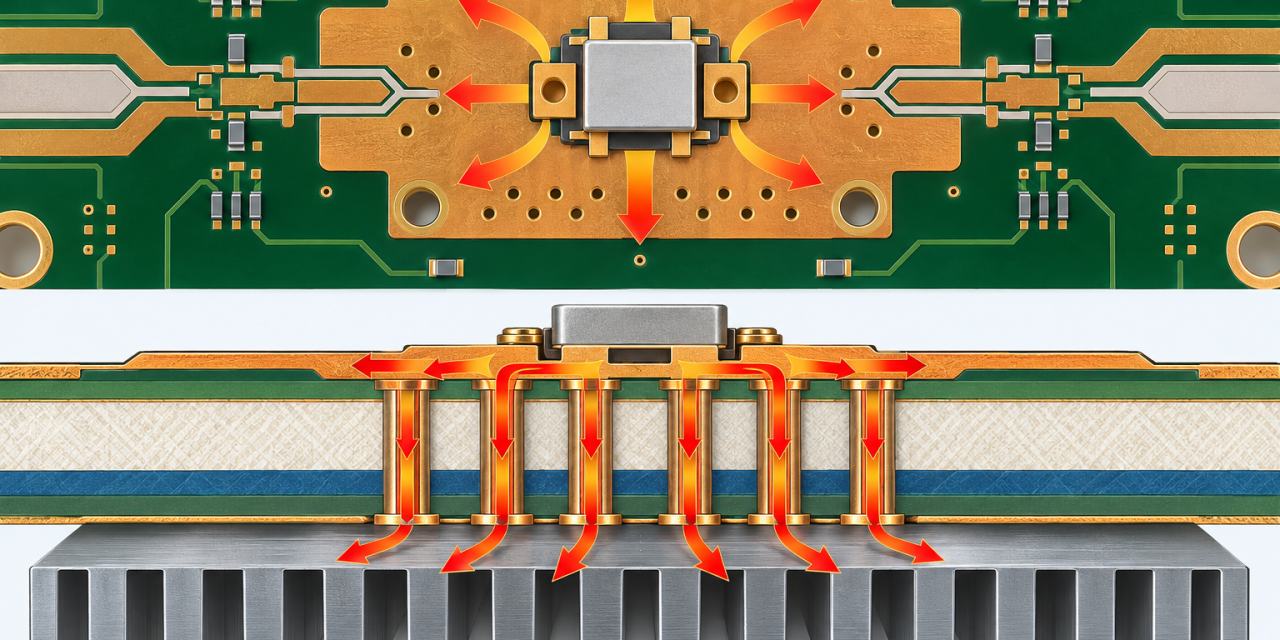
RO5880 PCB Thermal Design: 6 Critical Controls for High-Power RF Modules

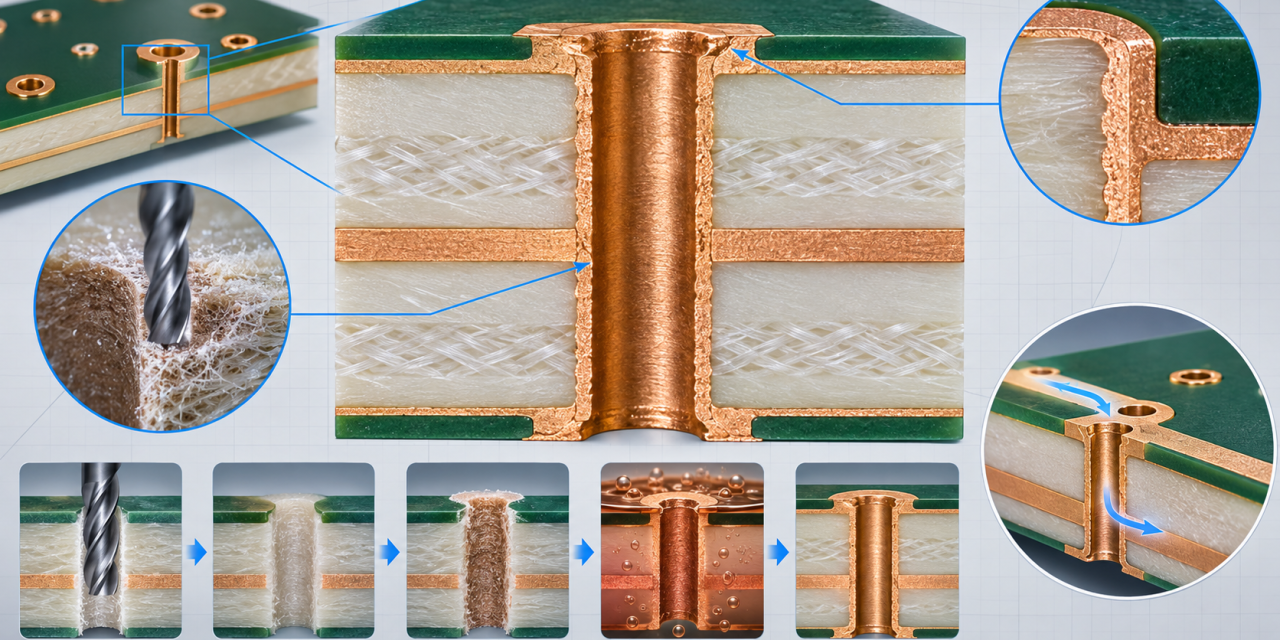
High-power microwave modules often fail at the thermal interface before they fail in the RF model. The finished RO5880 PCB must move heat away from the active device without disturbing the reference plane, launch geometry, or assembly datum. This engineering guide explains how to turn copper spreading and thermal-via decisions into a controlled design release...

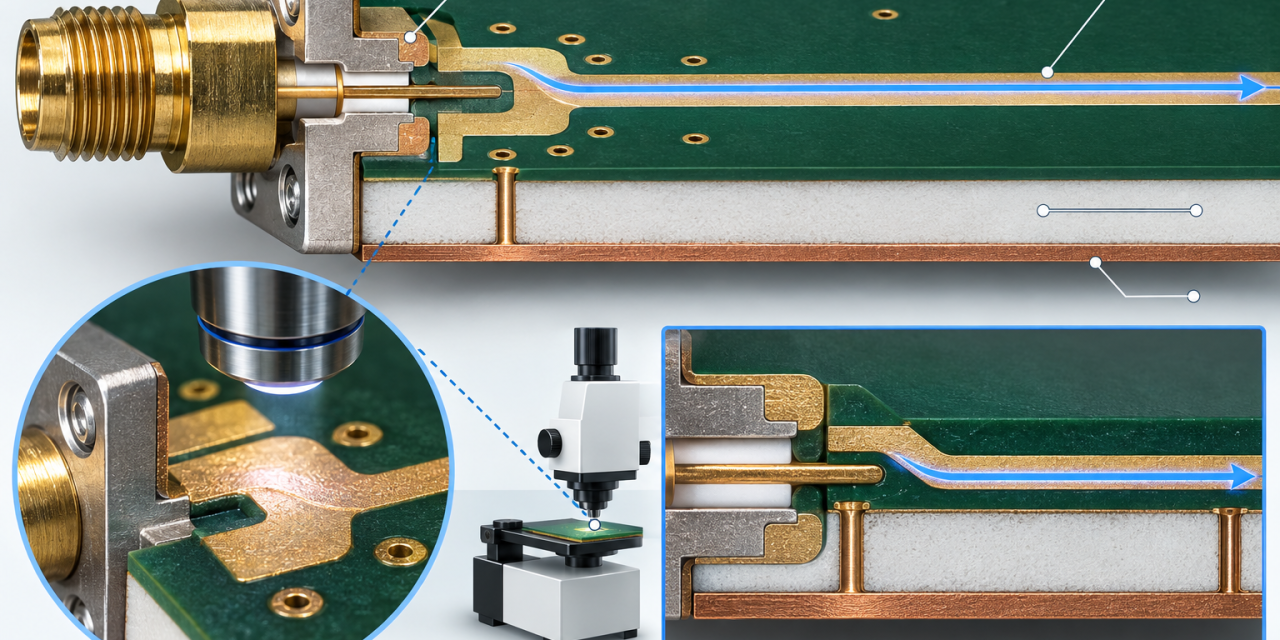
RO5880 PCB Connector Launch: 7 Critical Controls for Reliable RF Assembly

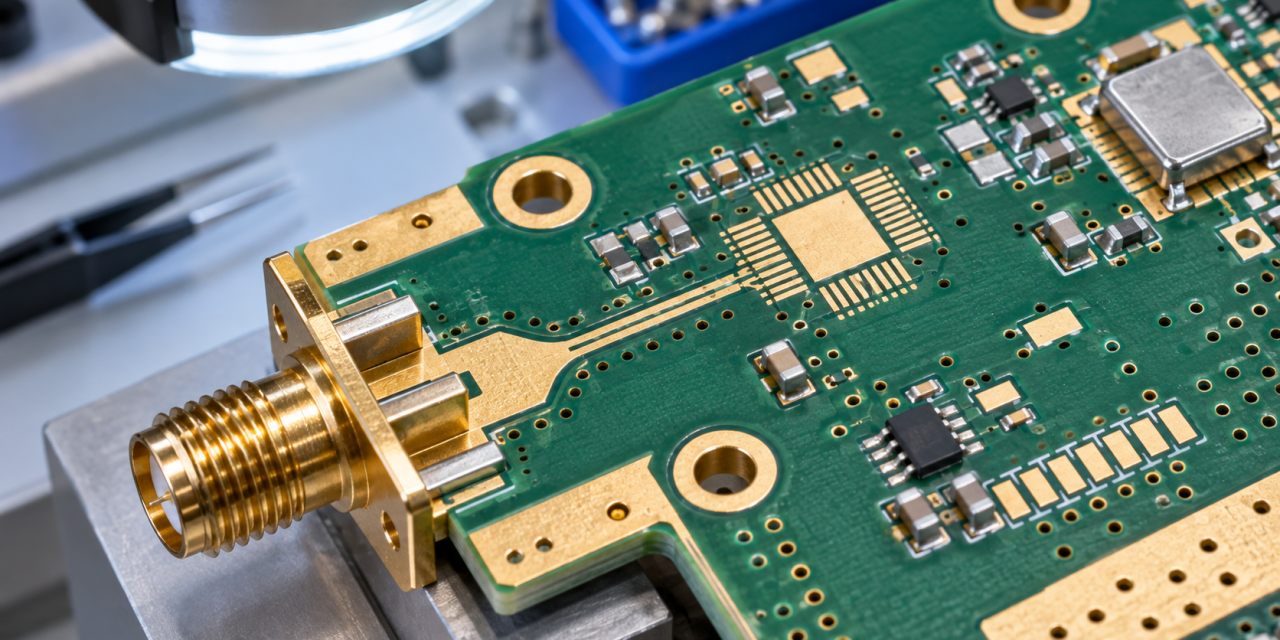
At microwave frequencies, the connector launch is often the first place where a good laminate stackup loses repeatability. The RO5880 PCB release should therefore treat the launch as a controlled subassembly. The finished RO5880 PCB must hold the launch geometry, surface finish, and reference-plane relationship while it moves through panel fabrication and assembly. This guide...

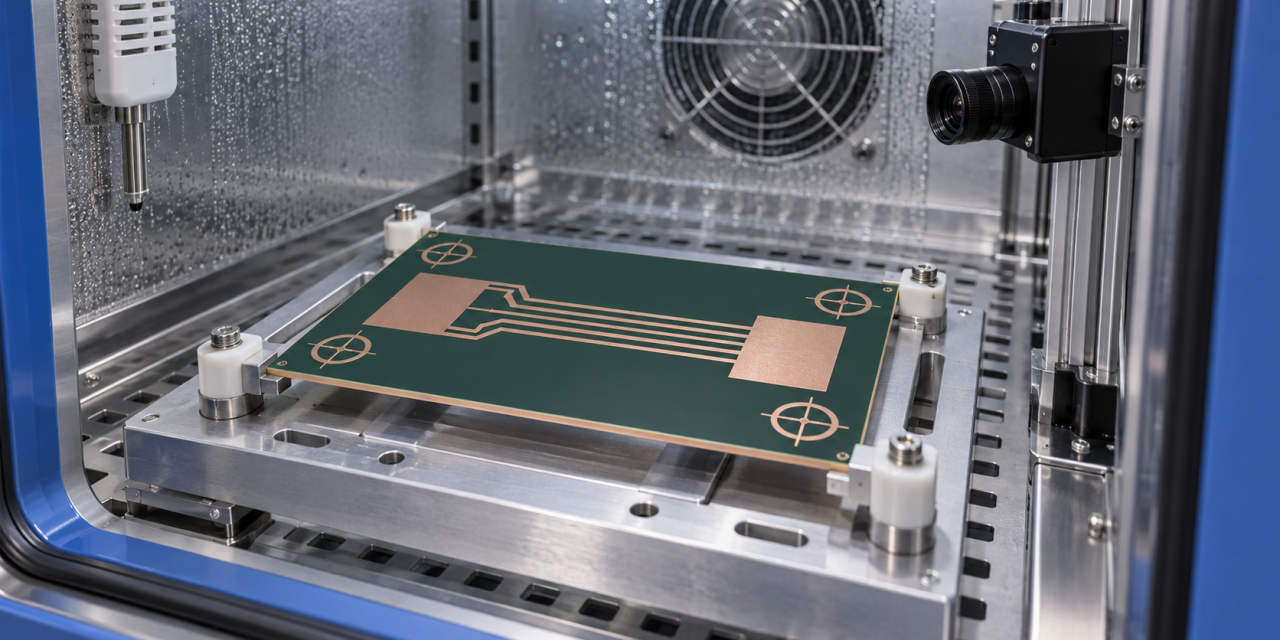
RO5880 PCB Dimensional Stability: Managing Moisture and Registration in Outdoor Radar

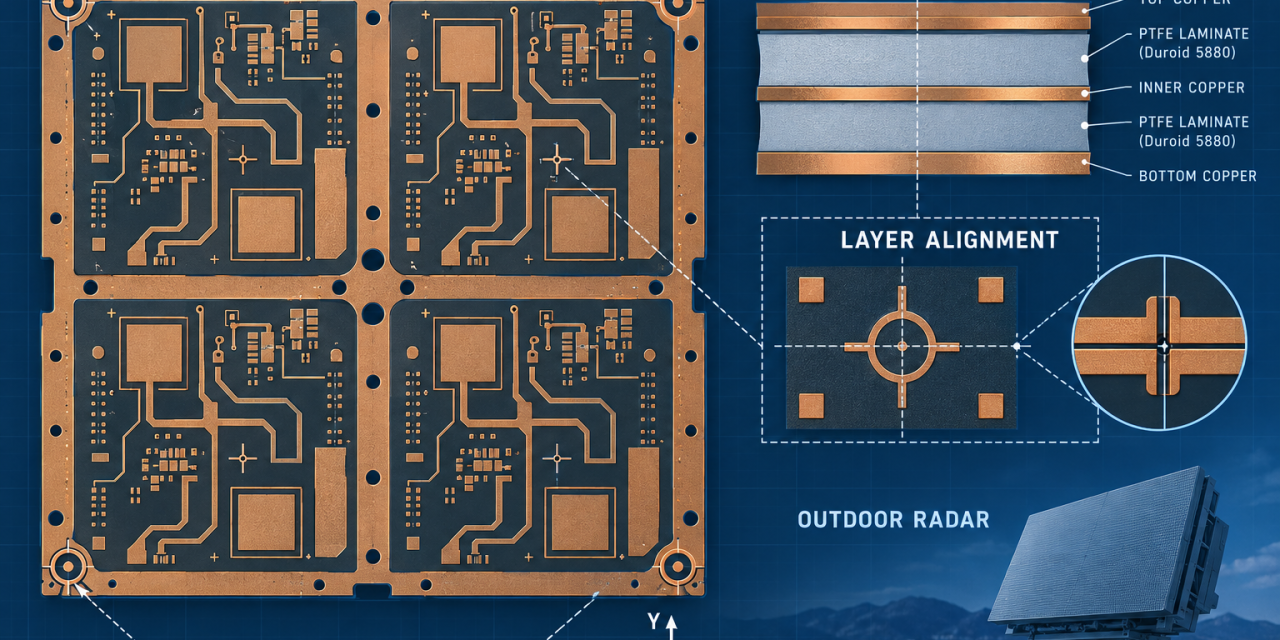
Outdoor radar and microwave equipment can see humidity, temperature swings, and repeated handling before a board reaches final system test. For a PTFE-based laminate, the project risk is not only RF loss; it is whether the finished RO5880 PCB keeps its layer registration, connector datum, and antenna geometry through the approved process. This RO5880 PCB...

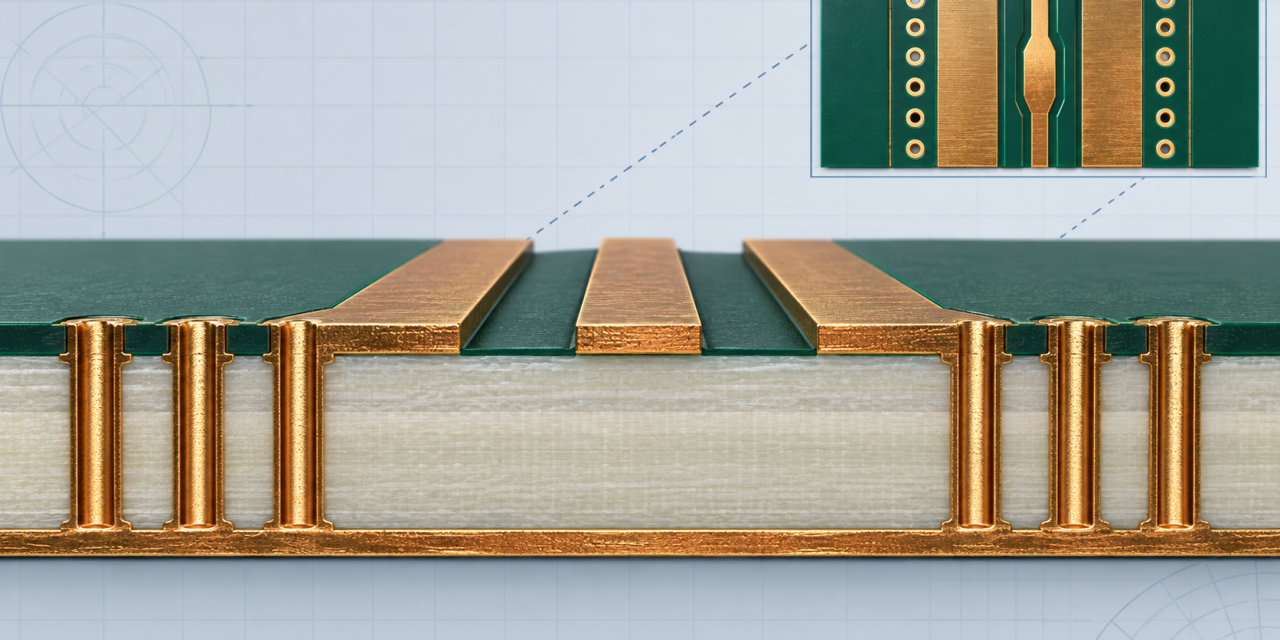
RO4003C PCB Stackup Release: Managing Dielectric Thickness in Compact RF Modules

Compact RF modules often fail between schematic approval and fabrication release because the RO4003C PCB stackup is treated as a static drawing. Resin content, copper thickness, press-out, and reference-plane choices change the field geometry that the RF model used. A controlled RO4003C PCB stackup release turns those assumptions into a buildable document for engineering and...