Blog

Explore the KKPCB Blog for the latest PCB manufacturing and assembly news, industry insights, expert tips, and technology trends, helping you stay informed and optimize your electronics projects.
Blind Via and Buried Via

In modern PCB design, Blind Via and Buried Via technologies play a critical role in achieving high-density interconnect (HDI) structures, improving signal integrity, and optimizing PCB layout performance. As electronic devices continue to evolve toward miniaturization, high speed, and high functionality, the use of blind vias and buried vias has become increasingly essential in advanced...
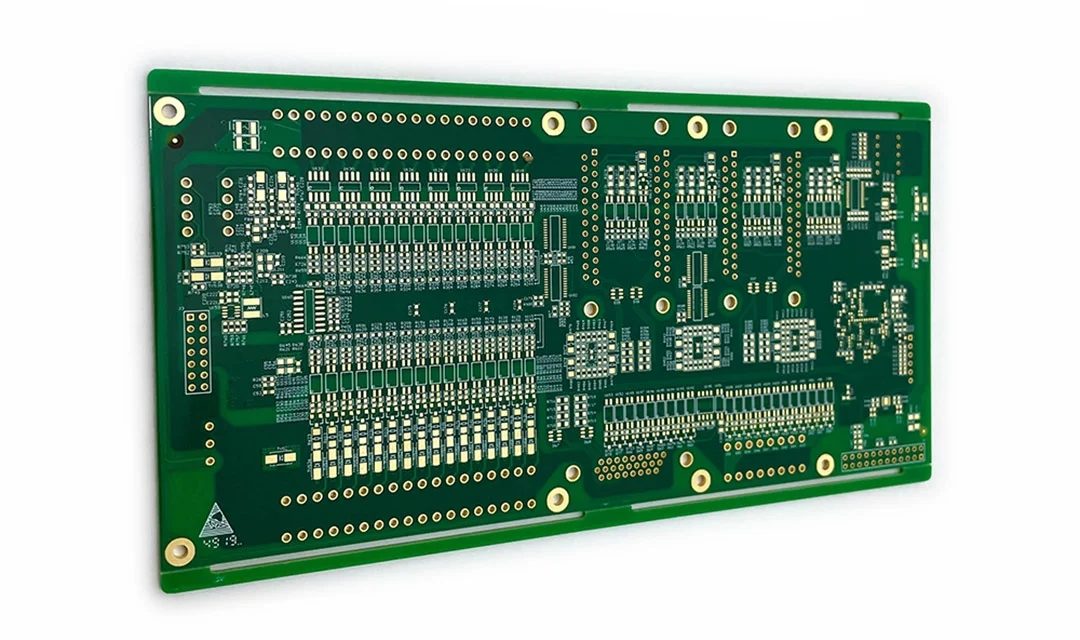
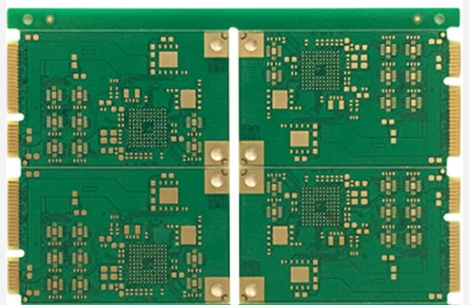
Advantages and Disadvantages of Multilayer PCBs

With the continuous development of electronic products toward higher performance, smaller size, and greater functional integration, traditional single-layer and double-layer PCBs can no longer satisfy the requirements of many advanced applications. A multilayer PCB is a circuit board composed of multiple conductive copper layers laminated together with insulating dielectric materials. By increasing the number of...

Multilayer PCB: What It Is, How It Works, and When to Use It

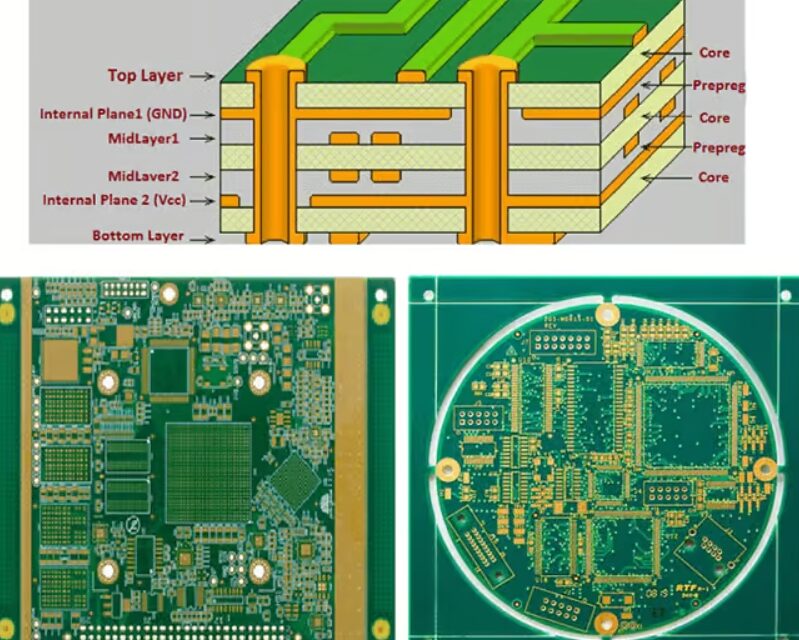
In the evolution of printed circuit boards (PCBs), the transition from single-sided to double-sided to multilayer PCBs has been pivotal. This shift addresses the growing demand for compact, efficient, and high-performance electronic devices. Here’s a detailed look at what multilayer PCBs are, how they work, and when to use them. What Is a Multilayer PCB? A multilayer PCB is an advanced circuit board featuring multiple layers of...

What is Flexible PCB

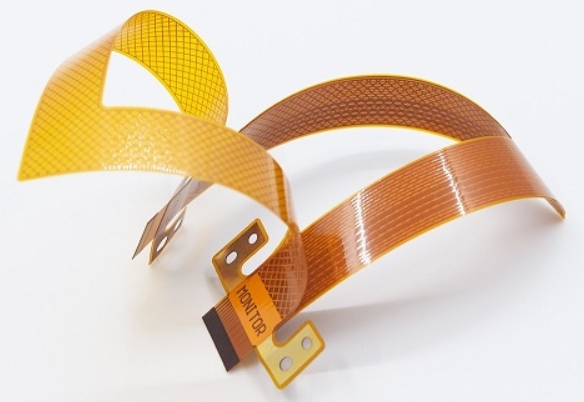
Flexible circuits (also variously referred to around the globe as flex circuits, flexible printed circuit boards, flex print, Flexi-circuits) are members of electronic and interconnection family. They consist of a thin insulating polymer film having conductive circuit patterns affixed thereto and typically supplied with a thin polymer coating to protect the conductor circuits. The technology has...

Flexible PCBs: Advantages and Disadvantages

Flexible PCB technology, also known as FPC (Flexible Printed Circuit), continues to develop and is used in major electronics sectors such as consumer electronics, automotive, electronic medical devices, wearables, telecommunications and aerospace. The introduction of flexible PCBs has revolutionized conventional electrical interconnect technology, which was traditionally used to connect multiple parts of the same circuit or...

Comprehensive Guide to IC Substrates and Their Role in Electronics

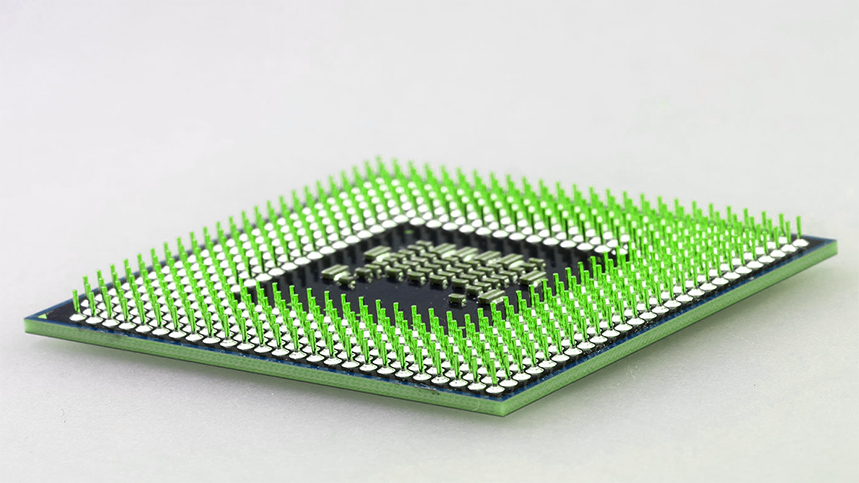
As semiconductor devices continue to evolve toward higher processing performance, smaller package sizes, and greater integration density, traditional PCB technologies alone are no longer sufficient to meet the interconnection requirements between silicon chips and electronic systems. IC substrates serve as a critical connection platform between semiconductor chips and printed circuit boards (PCBs), enabling reliable electrical...

Optimized Article: Multilayer FR4 PCB Substrate Material and Ceramic PCB Comparison

Material selection is one of the most important decisions in PCB development. As electronic products continue evolving toward higher power density, higher frequency operation, and increased reliability requirements, engineers must carefully evaluate whether traditional PCB materials or advanced substrate technologies are suitable for specific applications. Among various PCB substrate solutions, multilayer FR4 PCBs and ceramic...

6 layer PCB Stackup,Thickness and Manufacturing

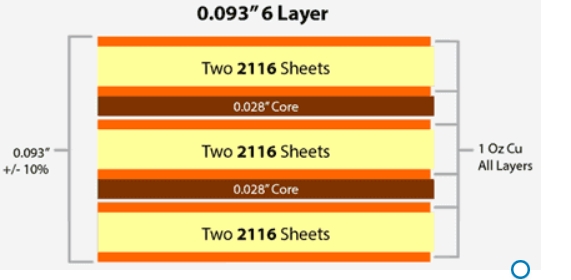
Printed circuit boards (PCBs) have evolved from simple single or double layer boards to complex multilayer boards with 6 or more layers to accommodate increasing component density and interconnectivity needs. 6 layer PCBs provide more flexibility for routing, plane separation and enable partitioning of circuits across layers. However, designing the 6 layer stackup requires careful planning to utilize...