thermal reliability - KKPCB
 
HomeTag

thermal reliability - KKPCB

Optimize High-Frequency UAV PCB Architectures to Enhance IoT Crop Monitoring, Precision Spraying, and Long-Range Agricultural Drone Communication

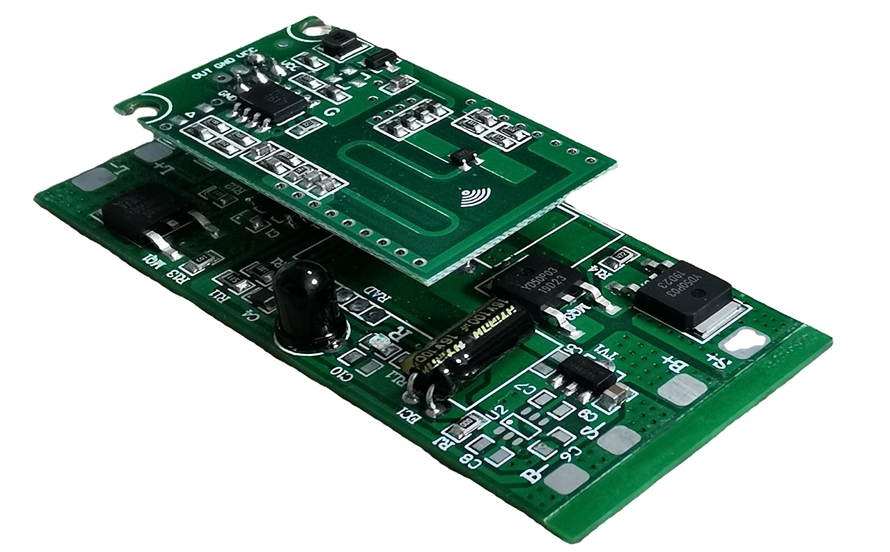
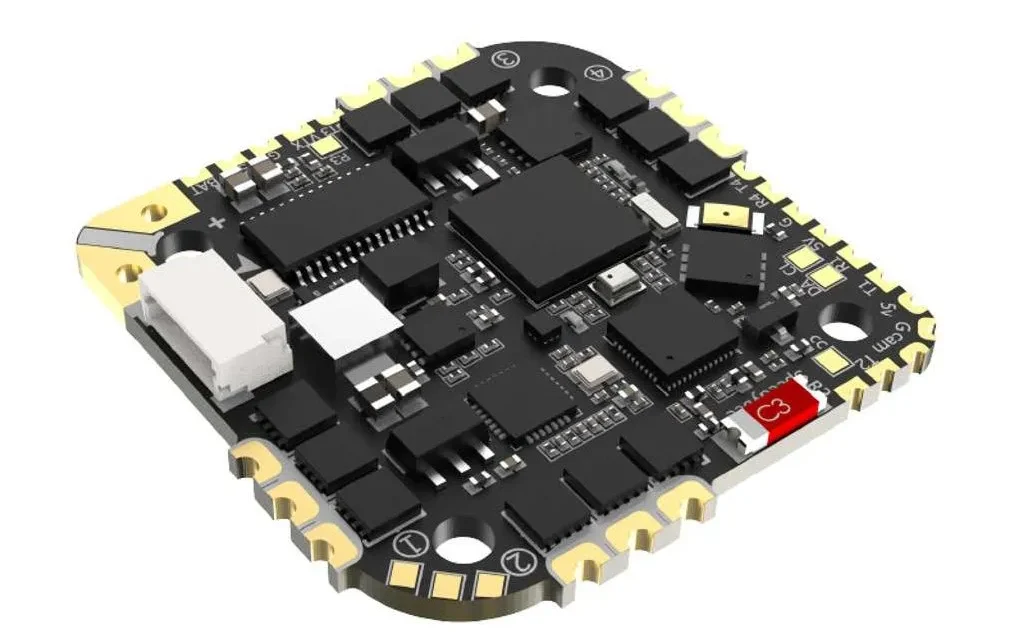
IoT-enabled agricultural UAVs operate in a uniquely demanding environment: wide temperature swings, continuous vibration, variable humidity, and rapidly changing RF propagation conditions over open farmland. These drones must maintain long-range wireless links, collect high-resolution crop data, and execute precision-controlled spraying while keeping power consumption and mass as low as possible. To meet these requirements, modern...
Achieve High-Frequency Channel Reliability and Precision Impedance Control with Megtron 7 PCB Stackups in Advanced Server Motherboards

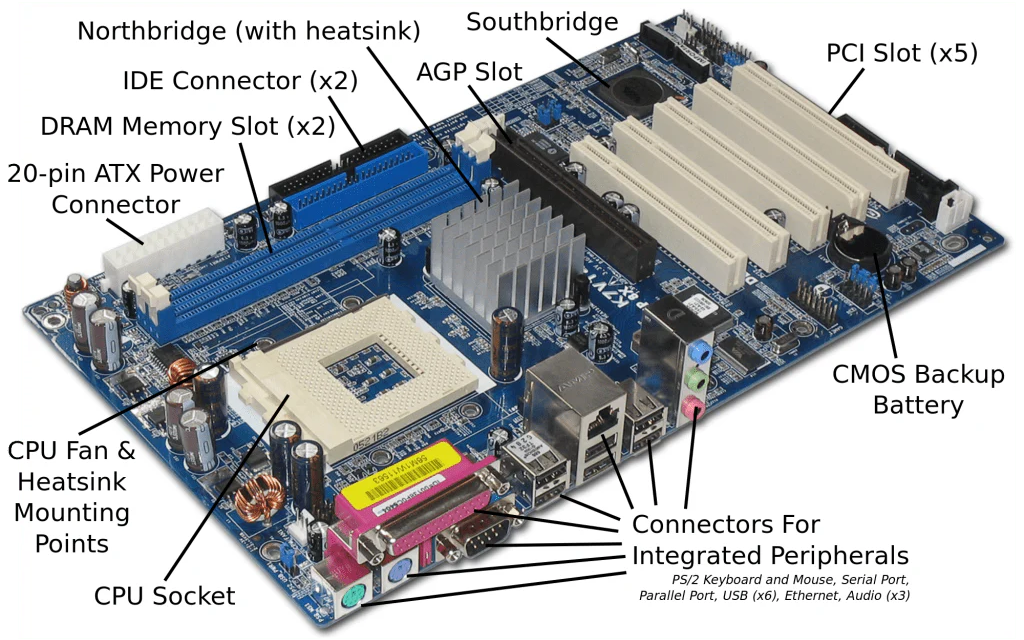
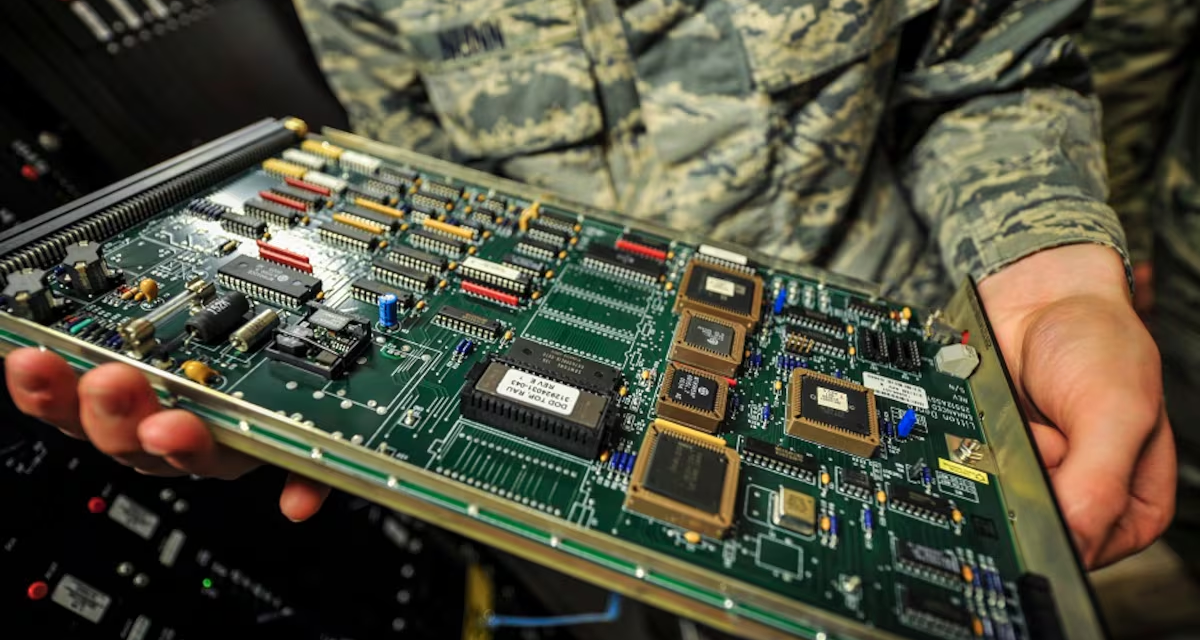
Modern high-performance server motherboards handle multi-gigabit data streams across PCIe Gen5/Gen6, DDR5 memory, and high-speed interconnects. Ensuring channel reliability, minimal signal attenuation, and precise impedance control is critical to maintain data integrity, low bit error rates (BER), and thermal stability in dense server environments. Megtron 7 PCB laminates (Dk = 3.4 ± 0.03, Df =...

Enhance Signal Integrity and Thermal Reliability with ADAS PCB Platforms for Automotive Radar Systems

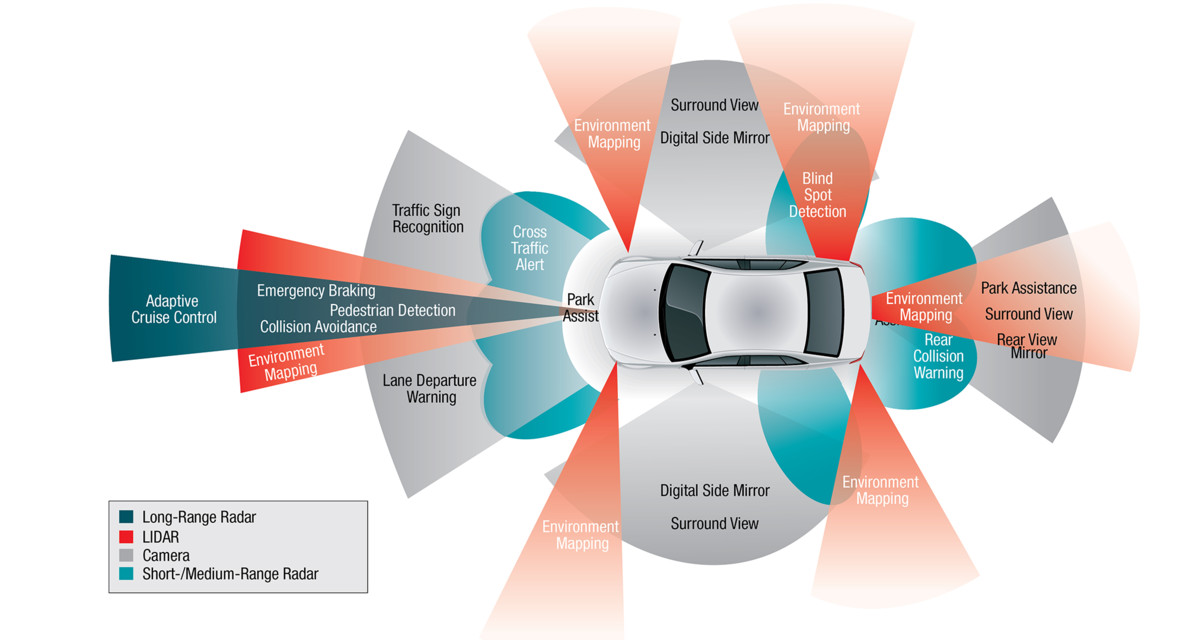
Advanced Driver Assistance Systems rely heavily on 77 GHz automotive radar modules, where the ADAS PCB directly determines signal integrity, insertion loss, dielectric stability, and system-level thermal reliability. As radar sensors expand from single-beam to multi-beam architectures, PCB materials and stackup selection have become primary constraints for RF linearity and long-distance object detection. The objective...

Enhance Thermal Reliability and High-Power RF Efficiency Through Advanced 5G Router PCB Stackups

5G router PCB platforms operate under multi-band RF loads, high-density routing, and continuous thermal cycling in compact CPE enclosures. Achieving stable RF efficiency requires a stackup engineered around low-loss materials, controlled dielectric stability, and carefully optimized thermal paths. This article analyzes how engineered 5G router PCB stackups improve RF efficiency, insertion-loss performance, and long-term thermal...

Achieving Low-Loss Transmission and Thermal Reliability with Megtron 6 PCBs in Automotive Radar and ADAS Control Units

1. Low-Loss Signal Requirements in Automotive Radar Systems   Automotive radar and ADAS modules operate at 77–79 GHz frequencies, demanding minimal insertion loss and consistent phase integrity. Dense multilayer routing, compact stackups, and exposure to thermal cycles present challenges for signal fidelity.  Megtron 6 PCBs, with Dk = 3.45 ±0.02 and Df = 0.002 @10...

Achieving Low-Loss Transmission and Thermal Reliability with Taconic TLY-5 PCBs in Automotive mmWave Radar Systems

1. Engineering Overview / Abstract   Automotive radar technology operating in the 76–81 GHz band demands printed circuit boards with extremely low dielectric loss, phase stability, and high thermal endurance.  Taconic TLY-5 PCB laminates—featuring a Dk of 2.20 ± 0.02 and Df of 0.0009 @ 10 GHz—offer a robust foundation for mmWave antenna arrays, signal...

Optimizing Power Integrity and EMI Suppression Using Taconic TLY-5 PCB Substrates in High-Speed Laptop and Server Motherboards

1. Engineering Overview / Abstract   As laptop and server platforms evolve toward higher CPU core densities and faster DDR5 and PCIe 5.0 interfaces, maintaining stable power integrity and effective EMI suppression has become an engineering priority.  Taconic TLY-5 PCB substrates—PTFE-based laminates with ultra-low Df (0.0009 @ 10 GHz) and stable Dk (2.20 ± 0.02)—offer...

Low-Loss Interconnect and Thermal Reliability of TLY-5 PCBs for Automotive mmWave Radar and Advanced Driver-Assistance Systems

1. Engineering Overview — PCB Demands in Automotive mmWave Radar and ADAS   As vehicles move toward Level 3–5 autonomous driving, radar and vision-based sensing systems rely on 77–81 GHz mmWave modules and ultra-low-loss PCB interconnects. These radar PCBs must maintain electrical precision while enduring extreme temperature cycling, vibration, and humidity.   KKPCB integrates TLY-5...

Thermal Reliability and Dielectric Stability of Duroid 6010 PCBs in Aerospace and Radar Systems

Engineering Stability in Extreme Aerospace Environments   Aerospace and radar systems operate under extreme conditions—rapid temperature gradients, vibration, and continuous high-power RF transmission.Under these stresses, PCB dielectric and thermal stability determine the long-term performance of radar front-ends, phased arrays, and high-power amplifiers.   Rogers Duroid 6010, with its high dielectric constant (Dk = 10.2 ±...

Thermal Reliability and Power Handling Strategies of Duroid 5880 PCBs in Aerospace and Defense Radar Modules

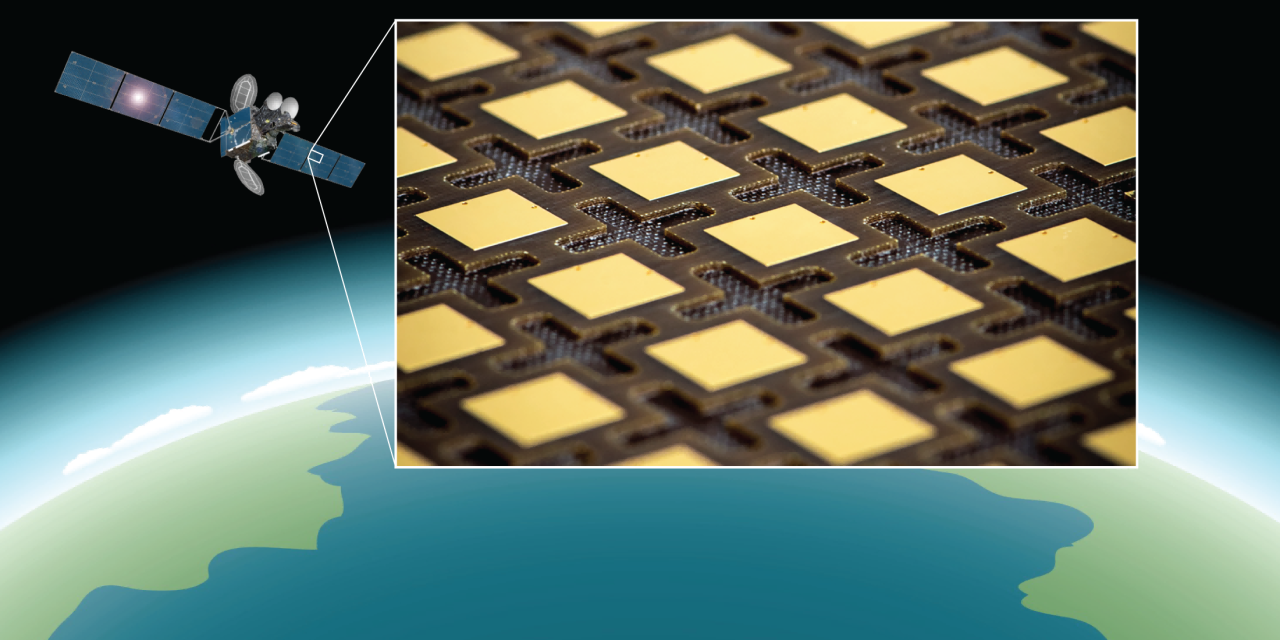
Ensuring High-Frequency Stability and Heat Dissipation Integrity Through KKPCB’s Advanced RF Lamination Framework   1. Introduction — The Hidden Heat Challenge in Aerospace RF Systems   As defense radar modules and satellite tracking systems migrate toward Ka- and W-band frequencies, the thermal load within power amplifier and antenna front-end PCBs grows dramatically.   At these...