RF PCB - KKPCB
 
HomeTag

RF PCB - KKPCB

Signal Integrity PCBs: Optimized for High-Speed and High-Fidelity Electronics

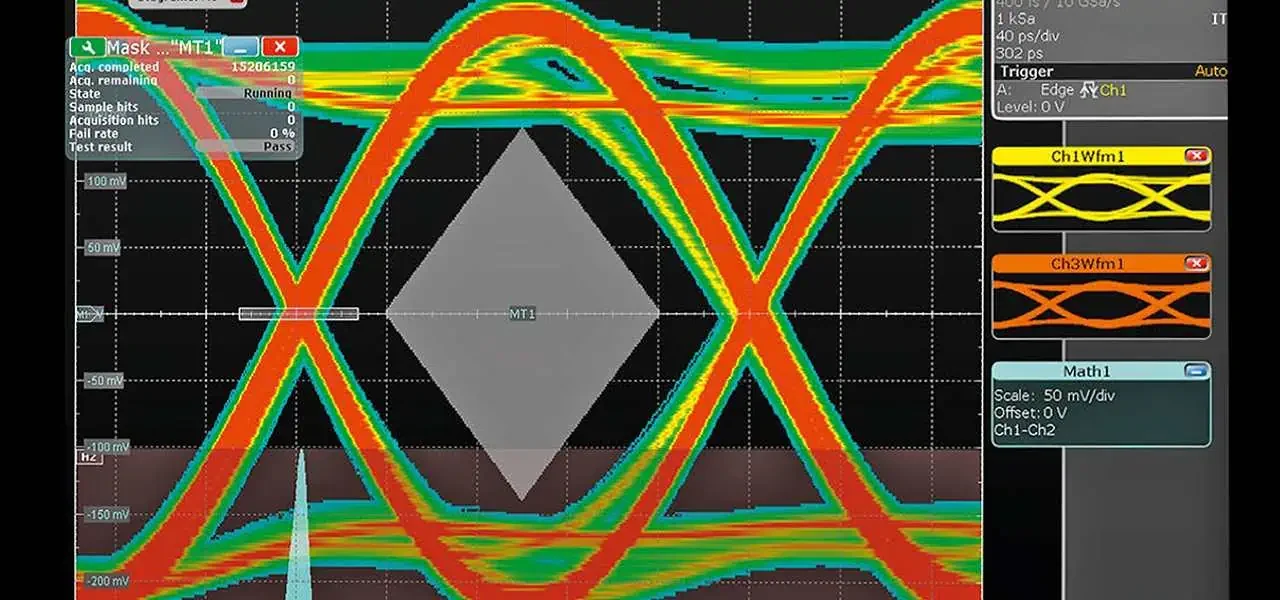
What is a Signal Integrity PCB? A Signal Integrity (SI) PCB is a printed circuit board designed to maintain high-fidelity signal transmission in high-speed digital, RF, or mixed-signal systems. Unlike conventional PCBs, SI PCBs focus on minimizing signal degradation, reflections, crosstalk, and timing errors, ensuring that signals arrive accurately at their destinations. Signal integrity is...

Megtron PCBs: Advanced Low-Loss Solutions for High-Speed Applications

What is a Megtron PCB? A Megtron PCB is a printed circuit board built using Megtron high-frequency laminates, developed to provide low dielectric loss (Df), stable dielectric constant (Dk), and excellent thermal performance for high-speed and high-frequency electronics. Megtron laminates are commonly used in: High-speed communication devices RF and microwave circuits Gigabit and multi-gigabit data...

Taconic PCBs: High-Performance Materials for RF and Microwave Applications

What is a Taconic PCB? A Taconic PCB is a printed circuit board made using Taconic high-frequency laminates, engineered for minimal signal loss, stable dielectric constant (Dk), and superior thermal performance in RF, microwave, and high-speed digital applications. Taconic materials, such as TLY, RF-35, and CER-10 series, are widely used where conventional FR-4 or standard...

High Frequency Laminates: Key Materials for Advanced PCB Performance

What is a High Frequency Laminate PCB? A High Frequency Laminate PCB is a printed circuit board built with specialized substrate materials optimized for low dielectric loss (Df), stable dielectric constant (Dk), and high thermal performance at high frequencies. Unlike standard FR-4, high frequency laminates maintain signal integrity in RF, microwave, and high-speed digital applications,...

Ceramic PCBs: Optimized for High-Power and High-Frequency Applications

What is a Ceramic PCB? A Ceramic PCB is a printed circuit board built using ceramic substrates like alumina (Al₂O₃), aluminum nitride (AlN), or silicon nitride (Si₃N₄) instead of standard FR-4 or PTFE materials. These substrates are thermally conductive, electrically insulating, and mechanically robust, making them ideal for high-power electronics and RF/microwave applications. Ceramic PCBs...

PTFE PCBs: Ultra-Low Loss Solutions for High-Frequency Electronics

What is a PTFE PCB? A PTFE PCB is a printed circuit board built using polytetrafluoroethylene (PTFE) as the substrate. PTFE is a high-performance polymer renowned for its extremely low dielectric loss (Df), consistent dielectric constant (Dk), and high thermal stability. These characteristics make PTFE PCBs ideal for applications where high-frequency signal integrity and minimal...

Rogers PCBs: High-Frequency Solutions for Advanced Electronic Applications

What is a Rogers PCB? A Rogers PCB is a printed circuit board manufactured using high-performance laminates developed by Rogers Corporation, designed specifically for high-frequency, RF, and microwave applications. Unlike standard FR-4 materials, Rogers substrates offer low dielectric loss (Df), stable dielectric constant (Dk), and superior thermal performance, making them ideal for high-speed and high-frequency...

RF Trace PCBs: Design Principles for High-Frequency Signal Integrity

What is an RF Trace PCB? An RF Trace PCB is a printed circuit board specifically designed to handle high-frequency radio frequency (RF) signals, typically ranging from MHz to GHz and even mmWave frequencies. Unlike standard PCB traces, RF traces must be carefully engineered to behave as controlled transmission lines, ensuring signals propagate with minimal...

Low Loss PCBs: Optimizing Signal Integrity for High-Frequency Applications

In modern electronics, especially in RF, 5G, and high-speed communication systems, signal loss can significantly affect device performance. Low loss PCBs are specifically designed to minimize dielectric and conductor losses, ensuring high-frequency signals propagate with minimal attenuation. These PCBs are essential for applications such as mmWave modules, RF transceivers, antennas, and satellite communication systems. Design...

Buried Via PCB: Advanced Multilayer Interconnects for High-Density Electronics

As electronic devices become smaller and more complex, the need for high-density interconnections within printed circuit boards increases. Buried via PCBs offer a solution by connecting inner layers without using surface space, allowing for compact, high-performance multilayer boards. Buried vias improve routing flexibility, signal integrity, and design density, making them critical for advanced applications such...