HomeTag

multilayer PCB - KKPCB

Multilayer PCB – High Performance Multi Layer Printed Circuit Board for Advanced Electronics

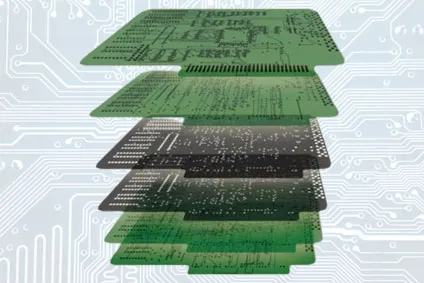
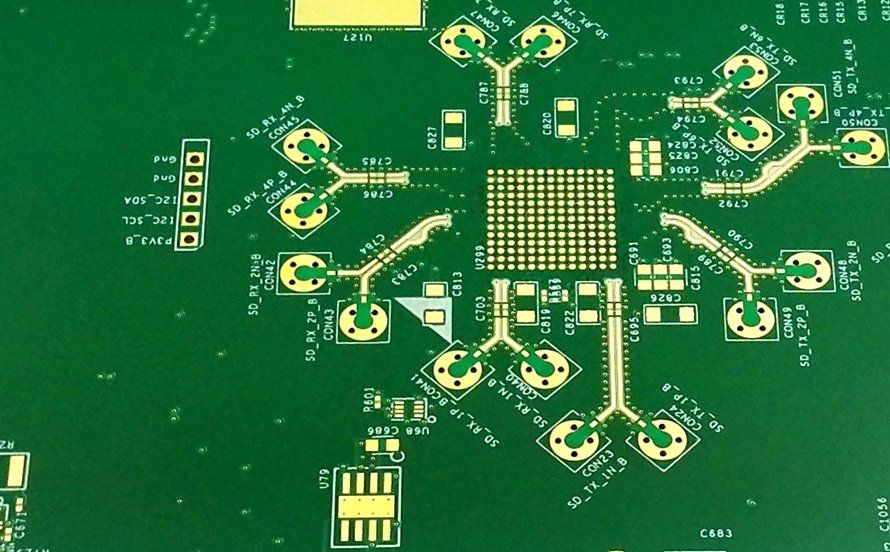
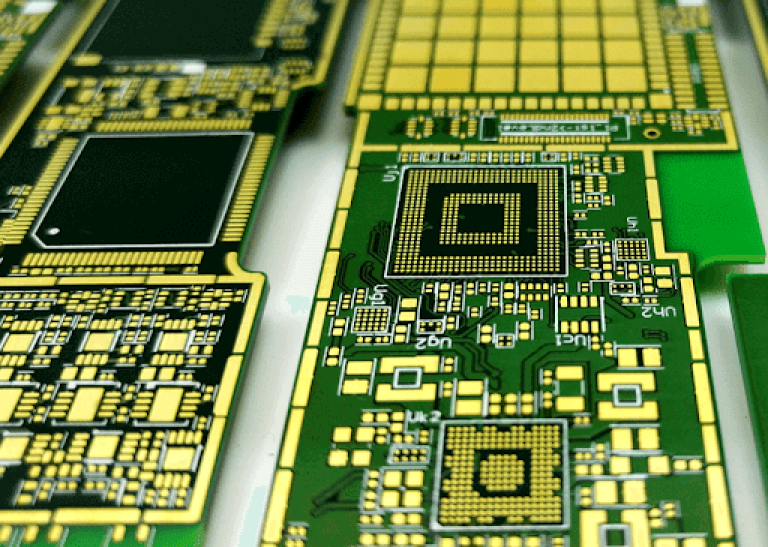
What Is a Multilayer PCB? A Multilayer PCB is a printed circuit board composed of three or more conductive copper layers laminated together with insulating dielectric materials. Compared to single-sided or double-sided boards, Multilayer PCB technology allows significantly higher circuit density and more complex routing structures. Modern electronic systems increasingly require compact size, high speed...
Controlled Impedance PCB – High Speed PCB for Reliable Signal Transmission

What Is a Controlled Impedance PCB? A Controlled Impedance PCB is a printed circuit board engineered to maintain a precise and consistent impedance value along specific signal traces. Impedance control is critical in high speed and high frequency electronic systems where signal integrity directly affects performance and reliability. In modern electronic designs, signals travel at...

Buried Via PCB – Advanced Multilayer PCB with Internal Interconnection Technology

What Is a Buried Via PCB? A Buried Via PCB is a multilayer printed circuit board that contains vias connecting internal layers only, without reaching the outer surface layers. Unlike through-hole vias, buried vias are completely enclosed within the board stack-up. This allows designers to: Increase routing density Optimize outer layer space Improve signal integrity...

High Layer Count PCB – Advanced Multilayer PCB for High Density and High Speed Applications

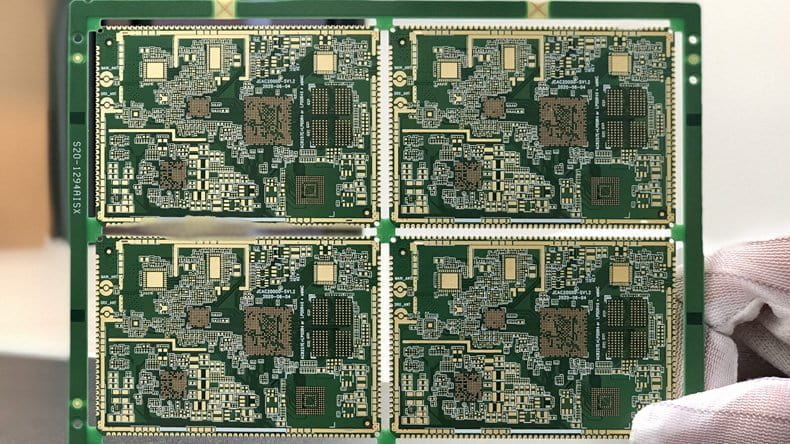
What Is a High Layer Count PCB? A High Layer Count PCB refers to a multilayer printed circuit board typically built with 16 layers or more, and in advanced applications, up to 40, 60, or even higher layer counts. High Layer Count PCB is designed to support: High density routing Complex signal distribution Controlled impedance...

High TG PCB – High Glass Transition Temperature PCB for High Reliability Applications

What Is a High TG PCB? A High TG PCB is a printed circuit board fabricated using high glass transition temperature (TG) laminate materials, typically with TG values above 170°C, 180°C, or even 200°C depending on application requirements. The glass transition temperature (TG) refers to the temperature at which the PCB substrate transitions from a...

mmWave Module PCB – High Frequency PCB for 5G and Radar Applications

What Is an mmWave Module PCB? An mmWave Module PCB is a high frequency printed circuit board specifically designed for millimeter-wave applications (30–300 GHz), including: 5G communication modules Automotive radar systems High frequency IoT devices Satellite communication modules mmWave Module PCB ensures low signal loss, precise impedance control, and stable RF performance for high frequency...

Microvia PCB Manufacturing for High Density and High Performance Electronics

What Is a Microvia PCB? A Microvia PCB is a printed circuit board that uses microvias, which are very small drilled holes (typically <150 μm) to interconnect layers in high-density, multilayer HDI PCBs. Microvias enable fine-pitch routing, high pin count IC integration, and compact board layouts, making them essential for advanced electronics such as smartphones,...

Multilayer PCB: Structure, Benefits, and Applications in Modern Electronics

What Is a Multilayer PCB? A multilayer PCB is a printed circuit board composed of multiple copper layers separated by prepreg and core materials. Unlike single-sided or double-sided PCBs, multilayer boards provide additional routing layers, allowing engineers to design high-density circuits with improved electrical performance. Typical multilayer PCB configurations include: 4-layer PCB 6-layer PCB 8-layer...

High Density PCB Manufacturing for Advanced Electronic Applications

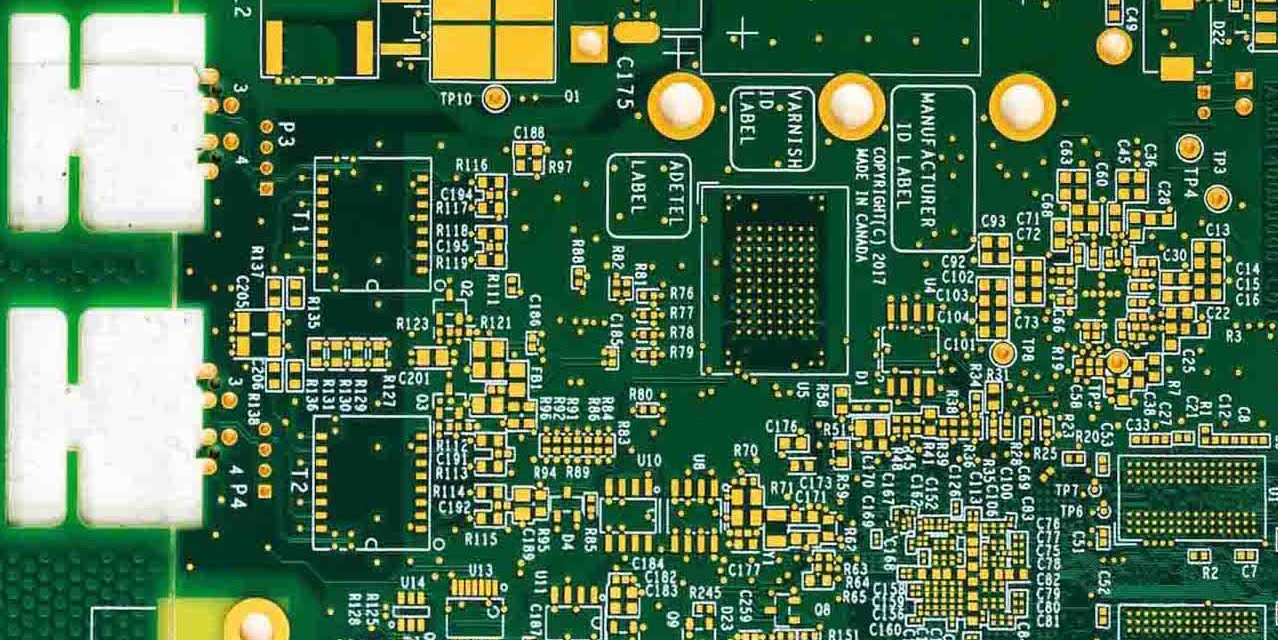
What Is a High Density PCB? A High Density PCB (High Density Printed Circuit Board) is designed to accommodate more components, higher pin counts, and finer routing within a limited board area. It is widely used in applications that require compact size, high performance, and complex signal routing, such as semiconductor testing, telecommunications, automotive electronics,...

High Pin Count PCB: Advanced PCB Solutions for High-Density and High-Reliability Applications

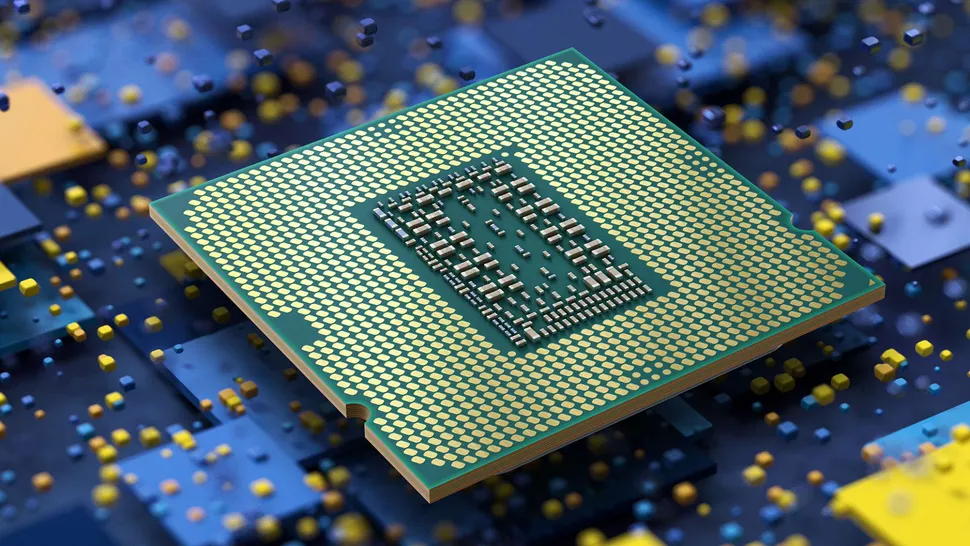
A High Pin Count PCB is designed to support electronic components with a large number of I/O pins, such as high-density BGAs, processors, FPGAs, and ASICs. As modern electronic systems demand higher performance, faster data transfer, and increased functionality, high pin count devices have become increasingly common. Manufacturing a reliable high pin count PCB requires...