millimeter-wave PCB - KKPCB
 
HomeTag

millimeter-wave PCB - KKPCB

mmWave Module PCB: Ultra-High-Frequency PCBs for 5G, Radar, and Advanced Sensing Modules

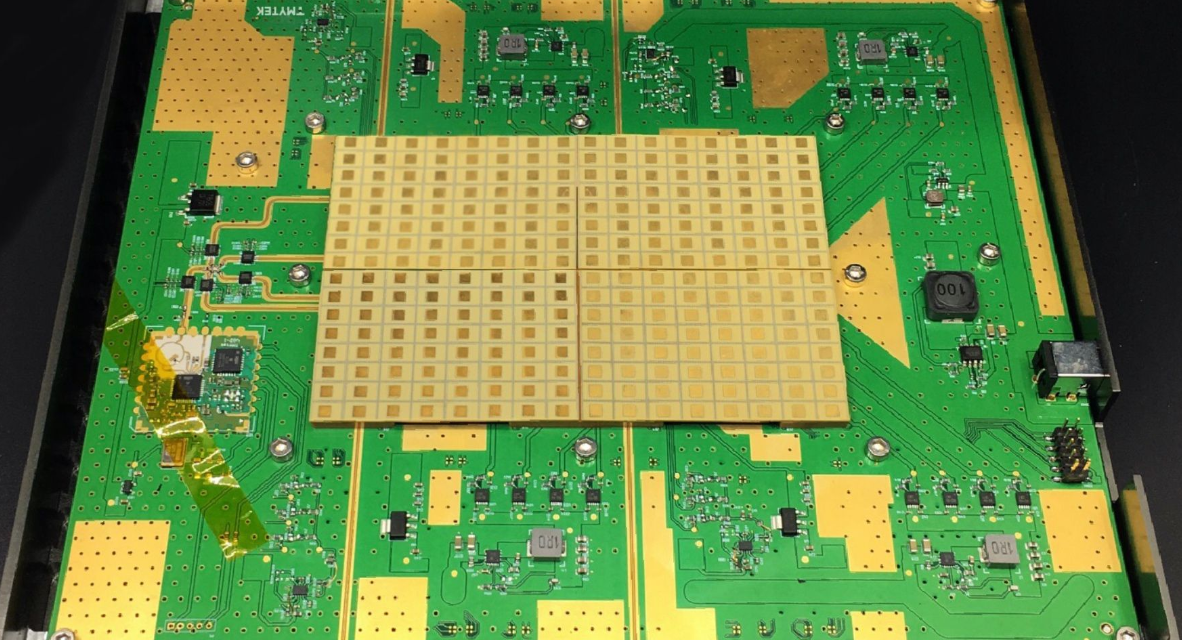
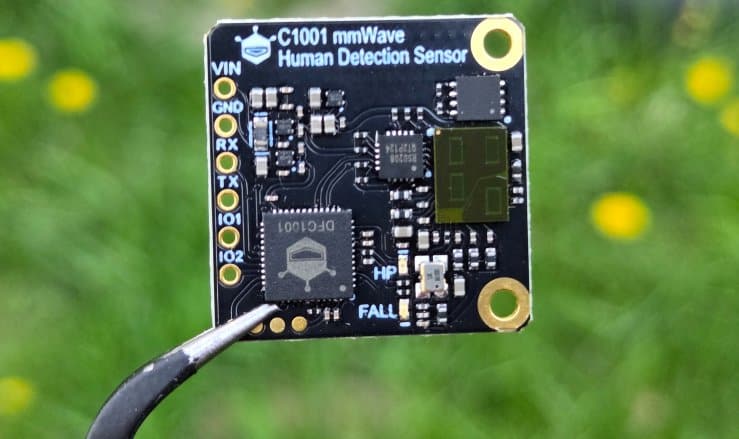
What Is a mmWave Module PCB? A mmWave Module PCB is a specialized printed circuit board designed to operate at millimeter-wave frequencies (typically 24 GHz to 110 GHz). These PCBs are used in compact RF modules where signal loss, impedance variation, and electromagnetic interference must be tightly controlled. mmWave module PCBs are core components in...

mmWave Module PCB: High-Frequency PCB Solutions for Millimeter-Wave Applications

What Is a mmWave Module PCB? A mmWave Module PCB is a specialized printed circuit board used in millimeter-wave (mmWave) modules, typically operating at frequencies above 24 GHz, such as 26 GHz, 28 GHz, 39 GHz, and 77 GHz. These PCBs integrate RF transceivers, antennas, filters, and high-speed interfaces into compact modules. Due to the...

5G mmWave PCB: Advanced High-Frequency Solutions for Millimeter-Wave Communication Systems

As 5G technology expands into millimeter-wave frequency bands, PCB performance becomes a critical factor in system reliability and signal quality. The 5G mmWave PCB is engineered to support ultra-high frequencies, extremely short wavelengths, and strict signal integrity requirements that far exceed conventional RF designs. A professionally manufactured 5G mmWave PCB enables stable and repeatable performance...

5G mmWave PCB: Engineering Ultra-High-Frequency Performance for Next-Generation Wireless Systems

As 5G technology expands into millimeter-wave frequency bands, PCB design enters a new level of complexity. Operating at frequencies above 24 GHz, 5G mmWave PCB designs must manage extreme signal loss sensitivity, tight impedance tolerances, and strict manufacturing precision. A professionally engineered 5G mmWave PCB is essential for enabling high data rates, low latency, and...

5G mmWave PCB: Enabling Ultra-High-Frequency Performance for Next-Generation Wireless Systems

5G millimeter-wave technology is driving a new generation of ultra-fast wireless communication. Operating in frequency bands such as 24 GHz, 28 GHz, and 39 GHz, 5G mmWave systems require extremely strict control over signal loss, impedance accuracy, and manufacturing tolerances. At the heart of these systems lies the 5G mmWave PCB, a specialized high frequency...

Taconic RF-35 PCB for mmWave: High-Performance Substrate for Millimeter-Wave Applications

Millimeter-wave (mmWave) technologies are rapidly expanding in applications such as 5G, automotive radar, satellite communication, and advanced sensing systems. At these extremely high frequencies, PCB material selection becomes critical. Taconic RF-35 PCB for mmWave applications is widely recognized for its low loss, stable dielectric properties, and excellent manufacturing reliability. This article explores why Taconic RF-35...

Engineering Duroid 6010 PCB for Extreme High-Frequency, Low-Loss, and Ultra-Stable Microwave Applications

As microwave, satellite, radar, and millimeter-wave systems move deeper into high GHz operating regions, engineers require PCB materials with ultra-stable dielectric behavior, extremely high Dk, and exceptionally low loss. This is where Duroid 6010 PCB—based on Rogers RT/duroid® 6010LM—becomes a foundational choice for critical RF and microwave engineering. With a dielectric constant (Dk) of ~10.2,...

Automotive Radar PCB – Precision Engineering for Advanced ADAS and Autonomous Driving

Automotive Radar PCB: The Foundation of Intelligent Mobility | KKPCB Introduction Automotive radar technology has become a defining pillar of modern Advanced Driver Assistance Systems (ADAS) and autonomous driving architectures.At the core of these radar modules lies an essential enabler of performance — the Automotive Radar PCB. An Automotive Radar PCB is far more than...

RO4000 Series High-Frequency Circuit Materials

Discover RO4000 Series hydrocarbon ceramic laminates for superior high-frequency PCB performance. Ideal for RF, microwave, millimeter-wave, and high-speed digital applications, these low-loss, cost-effective laminates ensure dimensional stability, reliable plated-through holes, and compatibility with standard FR-4 processes. Perfect for telecommunications, automotive radar, aerospace, and industrial IoT devices.