PCB Manufacturing Services | High-Quality PCB & PCBA - KKPCB
 
HomeCategory

PCB Manufacturing Services | High-Quality PCB & PCBA - KKPCB

Pros and Cons of Through-Hole PCB Assembly vs. SMT PCB Assembly

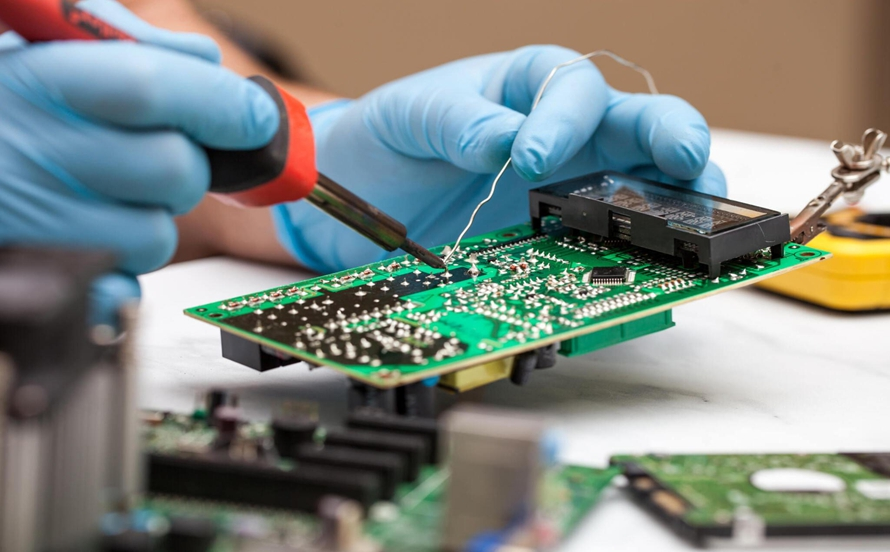
Introduction: Choosing the Right PCB Assembly Method In modern electronics manufacturing, selecting the right PCB assembly method is critical for achieving optimal performance, cost efficiency, and product reliability. The two most common methods—Through-Hole PCB Assembly (THT) and SMT PCB Assembly (Surface Mount Technology)—each offer distinct advantages and limitations. Understanding the pros and cons of Through-Hole...
How to Make Flexible and Rigid-Flex PCB Assemblies?

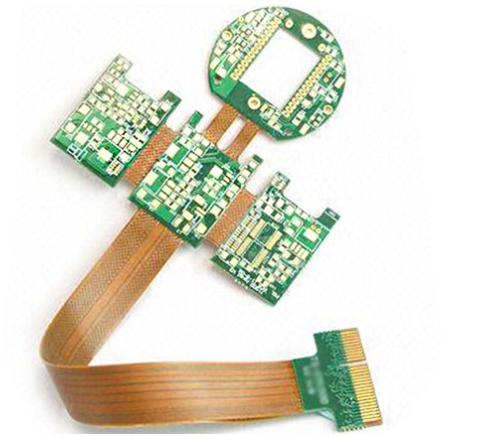
Rigid boards are known for their joined-up look. While PCBs are in huge demand nowadays, flexible boards are the latest innovation in the industry. Flexible-rigid and flex-flex PCBs are the result. Rigid-flex PCB combine both rigid and flexible layers, while flex boards use only flexible materials. Flexible PCBs, on the other hand, allow for complete customization....

Case Study: 77GHz Millimeter-Wave Automotive Collision Avoidance System

Customer Background The client specializes in the development and production of a wide range of microwave electronic products. These products are extensively used in satellite communication, television broadcasting, long-range communication, data and image transmission, radar, remote control, remote sensing, electronic reconnaissance, and electronic countermeasures. With deep technical expertise in microwave technology and high-frequency electronic products,...

What is a High Frequency PCB?

Introduction: Why High Frequency PCB Matters As modern electronics continue to evolve toward high-speed communication and high-frequency signal transmission, the demand for High Frequency PCBs has grown significantly. Applications such as 5G communication, radar systems, and satellite technology require circuit boards that can handle high-frequency signals with minimal signal loss and excellent signal integrity. Understanding...

Advantages and Disadvantages of Surface Mount Technology (SMT)

The Importance of SMT in Modern PCB Assembly In modern electronics manufacturing, Surface Mount Technology (SMT) has become the dominant method for PCB assembly. By enabling compact designs and high-speed production, SMT PCB assembly plays a critical role in industries such as consumer electronics, automotive systems, and communication technology. However, like any PCB assembly technology,...

KKPCB Case Study: High-Performance Communication Backplane PCB Solution

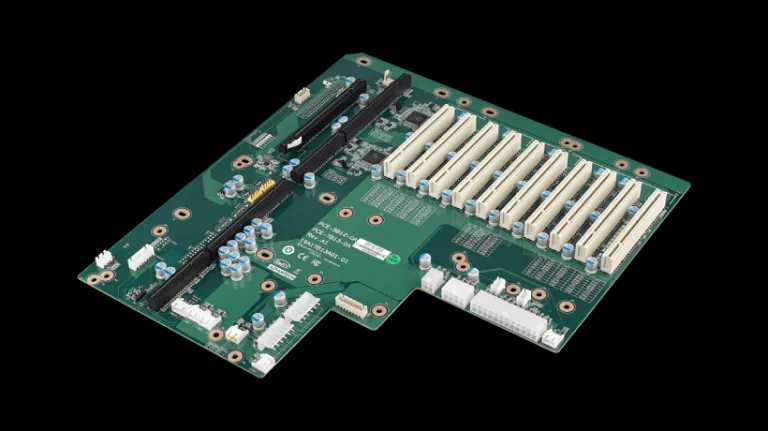
Introduction: Enabling High-Speed Communication Systems In today’s data-driven world, high-speed communication systems demand exceptional signal integrity, power stability, and system reliability. At the core of these systems lies the communication backplane PCB, which serves as the backbone for high-speed data transmission between multiple modules. This case study highlights how KKPCB delivered a high-performance backplane PCB...

As complexity and density increase, the long-term reliability of RF/microwave circuit components becomes more challenging to characterize. Printed Circuit Boards (PCBs) comprise numerous active and passive components, whose performance can vary over time and with operating environment temperatures. Additionally, PCB substrate materials, such as dielectrics, copper foil conductors, solder mask inks, and final finishes, may change over time, influenced...

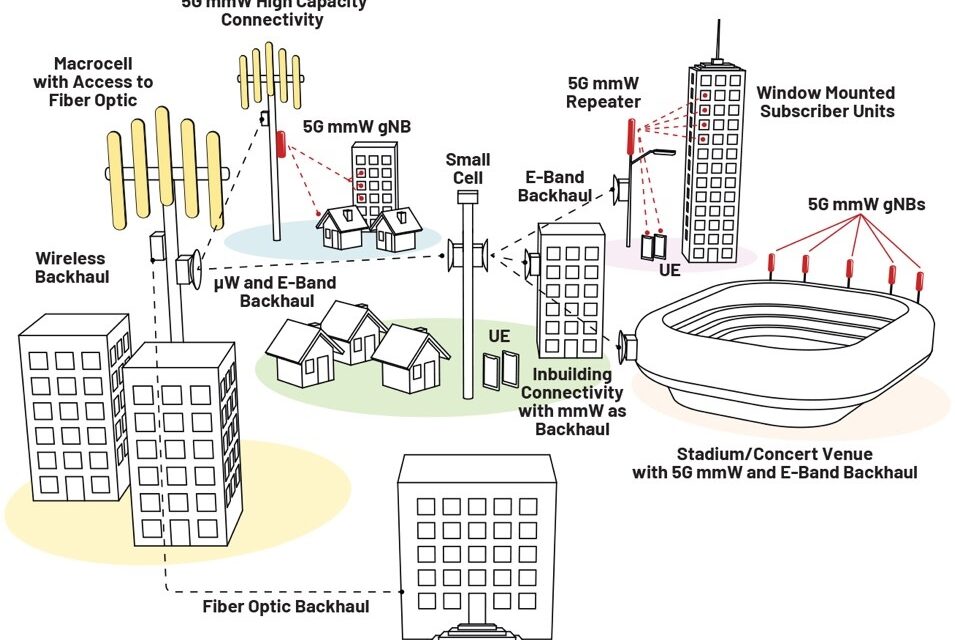
E-Band Wireless RF Links Provide High-Capacity Backhaul Solutions for 5G Networks

Introduction This article introduces the various backhaul technologies available for 5G networks, focusing on E-band wireless RF links and how they support the continued deployment of 5G networks around the world. We will perform a technical analysis of the system requirements necessary for E-band technology. We will then map the results to the physical radio...

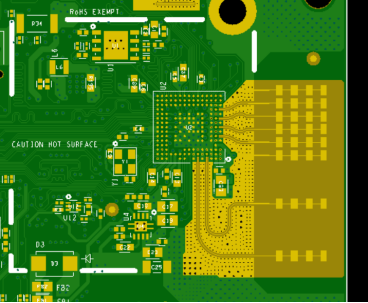
Electrical performance consistency is critical for producing high-volume printed circuit boards (PCBs). As PCB applications move to higher frequencies, such as fifth-generation (5G) cellular wireless networks at millimeter-wave frequencies and 77 GHz automotive radar, any inconsistencies on the PCB become very noticeable, especially when the circuits operate at shorter wavelengths of millimeter-wave frequencies. There will always be...