
Introduction: Choosing the Right PCB Assembly Method
In modern electronics manufacturing, selecting the right PCB assembly method is critical for achieving optimal performance, cost efficiency, and product reliability. The two most common methods—Through-Hole PCB Assembly (THT) and SMT PCB Assembly (Surface Mount Technology)—each offer distinct advantages and limitations.
Understanding the pros and cons of Through-Hole PCB Assembly vs. SMT PCB Assembly helps engineers and buyers make informed decisions based on application requirements, production volume, and mechanical demands.
What is Through-Hole PCB Assembly (THT)?
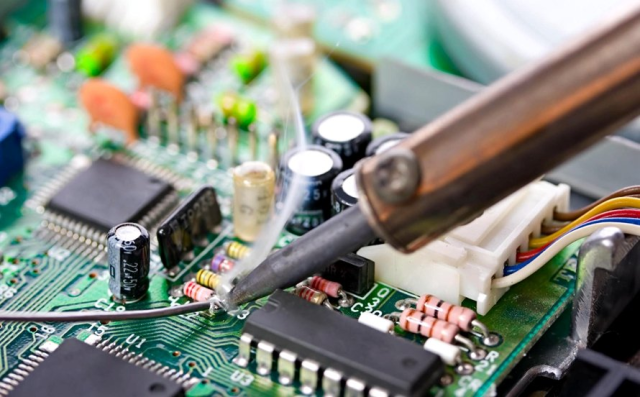
Through-Hole PCB Assembly involves inserting component leads into drilled holes on a printed circuit board and soldering them on the opposite side. This traditional PCB assembly method is known for its strong mechanical bonding and durability.
Advantages of Through-Hole PCB Assembly
- Excellent mechanical strength for high-stress environments
- Reliable connections in harsh conditions (vibration, temperature)
- Ideal for large components such as connectors and transformers
- Easier for manual assembly and prototyping
Disadvantages of Through-Hole PCB Assembly
- Lower component density compared to SMT
- Requires drilling, increasing manufacturing cost
- Larger PCB size and less efficient layout
- Slower assembly process for mass production
What is SMT PCB Assembly?
SMT PCB Assembly (Surface Mount Technology) involves mounting components directly onto the PCB surface without the need for through-holes. This method is widely used in modern high-density PCB designs and automated production lines.
Advantages of SMT PCB Assembly
- Supports high component density and compact designs
- Enables faster, fully automated PCB assembly
- Lower manufacturing cost for high-volume production
- Better high-speed signal performance due to shorter paths
Disadvantages of SMT PCB Assembly
- Lower mechanical strength compared to THT
- More sensitive to thermal and mechanical stress
- Difficult for manual repair and rework
- Not ideal for very large or heavy components
Through-Hole vs SMT PCB Assembly: Key Differences
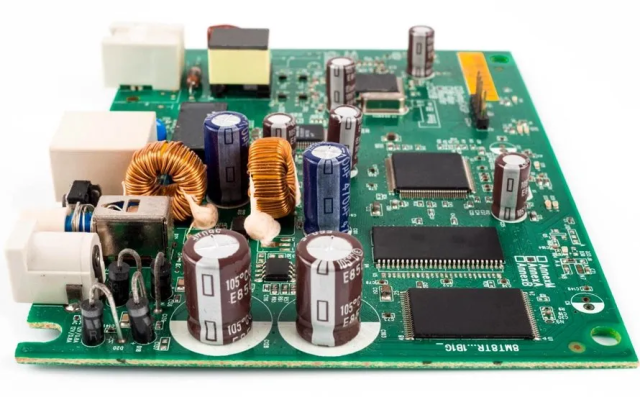
To better understand the pros and cons of Through-Hole PCB Assembly vs. SMT PCB Assembly, here is a direct comparison:
1. Mechanical Strength
- Through-Hole PCB Assembly provides superior mechanical durability
- SMT PCB Assembly is less robust under mechanical stress
2. Component Density and Size
- SMT PCB Assembly enables miniaturization and high-density layouts
- Through-Hole PCB Assembly requires more space due to drilled holes
3. Manufacturing Cost
- SMT PCB Assembly is more cost-effective for large-scale production
- Through-Hole PCB Assembly has higher costs due to drilling and labor
4. Performance and Signal Integrity
- SMT PCB Assembly offers better high-speed performance
- Through-Hole PCB Assembly is suitable for power and mechanical stability
5. Application Suitability
- Through-Hole PCB Assembly: Industrial, aerospace, power electronics
- SMT PCB Assembly: Consumer electronics, IoT devices, communication systems
When to Choose Through-Hole PCB Assembly
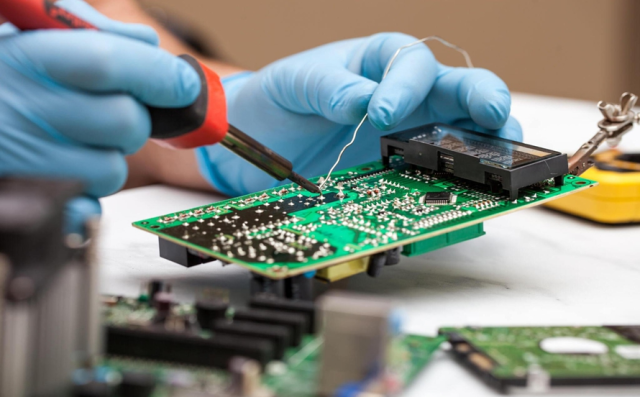
Choose Through-Hole PCB Assembly when your application requires:
- High mechanical strength
- Resistance to vibration and shock
- Reliable performance in harsh environments
- Use of large or high-power components
This method is commonly used in military, aerospace, and industrial electronics.
When to Choose SMT PCB Assembly
Choose SMT PCB Assembly when your project demands:
- Compact PCB design
- High production efficiency
- Lower manufacturing cost
- High-speed signal performance
SMT is ideal for consumer electronics, IoT devices, and high-volume production.
Hybrid PCB Assembly: Combining THT and SMT
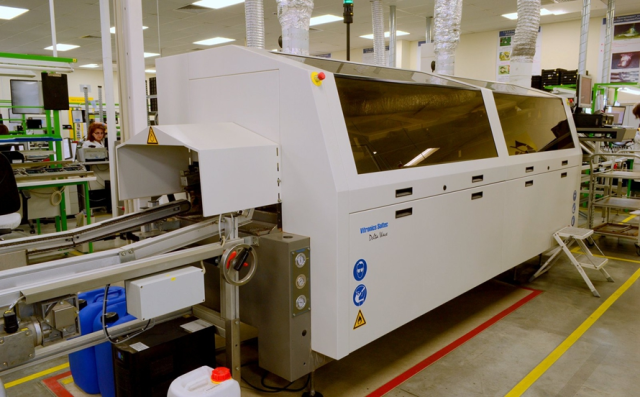
In many modern applications, manufacturers use a hybrid PCB assembly approach, combining both Through-Hole and SMT technologies. This allows:
- Strong mechanical support for critical components
- High component density for compact design
- Optimized performance and reliability
Hybrid PCB assembly is widely used in automotive electronics and industrial systems.
Conclusion: Making the Right Assembly Choice
The choice between Through-Hole PCB Assembly vs. SMT PCB Assembly depends on your specific application needs. While THT offers unmatched mechanical strength and durability, SMT excels in miniaturization, cost efficiency, and high-speed performance.
By understanding the advantages and limitations of each PCB assembly method, engineers and buyers can select the most suitable solution to achieve optimal performance, reliability, and cost balance.
