kkpcba-Cindy - KKPCB - Page 3 of 75
 
HomeAuthor

kkpcba-Cindy - KKPCB - Page 3 of 75

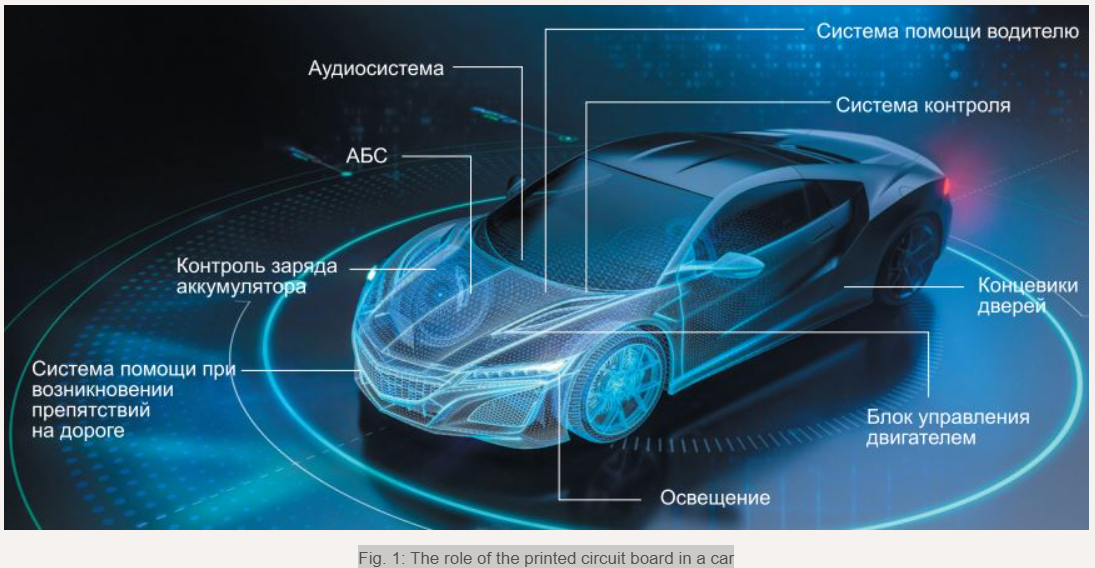
Ten Tips for Designing Automotive PCBs

The high level of competition in the modern automotive electronics market encourages manufacturers to constantly introduce new technologies and improve existing features, such as autopilot, automatic parking, emergency braking, keyless start, lane keeping control, and the like. Printed circuit boards (PCBs) are an essential and integral part of any electronic device in a vehicle. Their quality and...

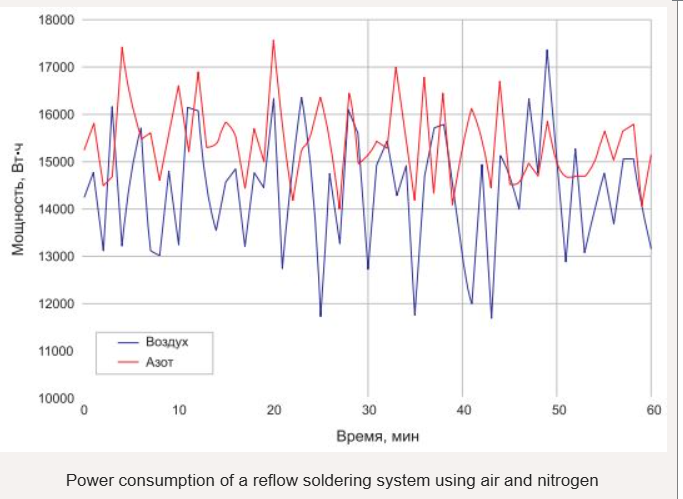
New technological solutions in reflow soldering

Convection soldering systems remain the primary surface-mount method worldwide, primarily due to their versatility, high efficiency, and excellent heat transfer properties. These properties have become paramount today. The advancement of digitalization, growing production volumes, the diversity of electronic components, and, importantly, the production of printed circuit boards worldwide require efficient and easily configurable production equipment....

Printed Circuit Boards with Embedded Components: From Concept to Production

Looking back and examining the evolution of computing technology, we see that many products widely used in everyday life today have changed significantly over time. Looking back at Apollo workstations, the first PCs, and mainframes that could occupy entire floors of buildings, it becomes clear that miniaturization has been the foundation of technological progress. Recent...

Impedance Matching in HDI PCB Design

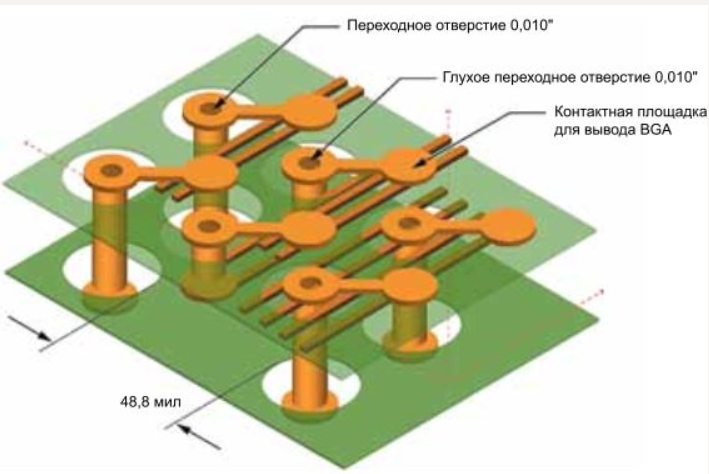
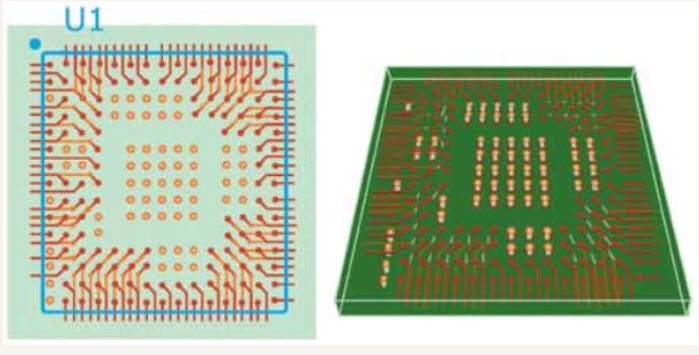
Impedance matching in HDI ( High- Density Interconnect ) boards is intended to prevent transmission errors, especially losses caused by transmission line resistance and the dielectric properties of the printed circuit board. Microvias can be used to create manufacturing-friendly PCB layouts in impedance-matched systems. BGA escape routing and dogbone fanout structures enable impedance matching in HDI PCBs. When do PCB traces...
Comprehensive Guide to Flux Application in PCBA: Coating Methods, Process Characteristics, and Key Usage Points

Flux is the “unsung hero” in the PCBA (Printed Circuit Board Assembly) process, directly affecting solder joint quality, production efficiency, and product reliability. Understanding flux application methods, process characteristics, and key precautions is essential for any electronics manufacturer. This guide explores these aspects to help engineers optimize flux application in PCBA. I. Four Mainstream Flux...

Rigid-Flex PCB Design Challenges and Solutions for High-Quality Circuits

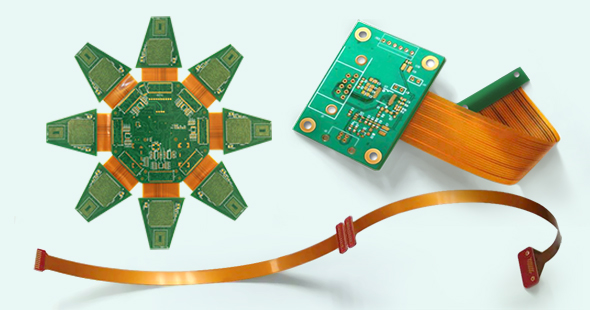
Rigid-flex PCBs combine the flexibility of FPCs with the strength of rigid boards, making them essential in modern electronic devices. Designing high-quality circuits for rigid-flex PCBs requires careful attention to flexible areas, bending zones, and reinforcement materials. This guide explores key challenges and practical solutions for optimal rigid-flex PCB design. 1. Flexible Partition Line Design...

The Secrets of High-Frequency PCB Stack-Up Design: Importance, Principles, and Optimization Strategies

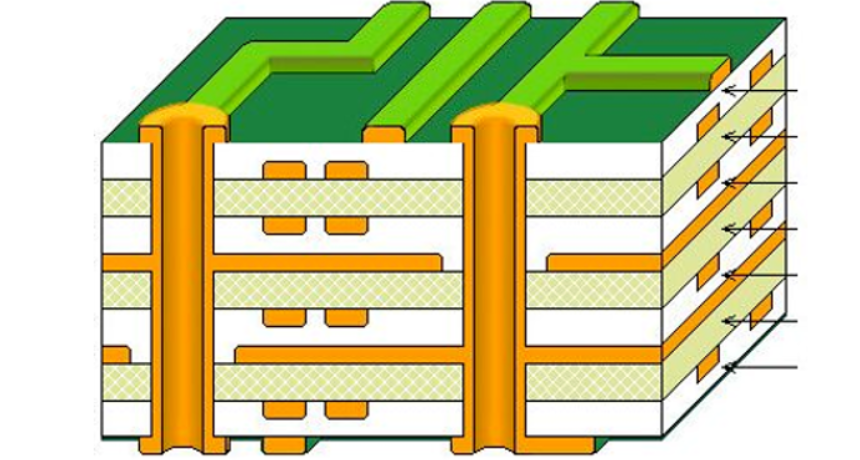
In high-speed and high-frequency electronic applications, RF PCB stack-up design plays a decisive role in ensuring stable performance, minimal signal loss, and electromagnetic compatibility. Proper PCB layer stack-up is not just a structural consideration—it directly determines signal integrity, impedance control, and overall product reliability. This article reveals the core principles of RF PCB stacking, explains...

Rigid-Flex Layered Design Explained

The three main characteristics of Rigid-Flex PCB are Multi-bending, Multi-stackup, and Multi-zone. In the previous article, we discussed multi-bending designs. In this article, we will take a closer look at the multi-layered design of Rigid-Flex. 01、 Multi-Stackup   Multi-layer stack  Multi-stackup refers to a substrate where the number and thickness of layers differ in different regions, meaning the substrate needs to...

Solving the PCBA Processing Challenge: Causes, Hazards, and Ultimate Solutions for PCB Board Deformation

In the precision chain of modern electronics manufacturing, PCBA processing (Printed Circuit Board Assembly) serves as the critical stage that gives electronic products “life.” During this process, electronic components are precisely soldered onto a printed circuit board (PCB) to form a complete circuit system.However, PCB board deformation is a hidden issue that can severely affect...