kkpcba-Cindy - KKPCB - Page 14 of 73
 
HomeAuthor

kkpcba-Cindy - KKPCB - Page 14 of 73

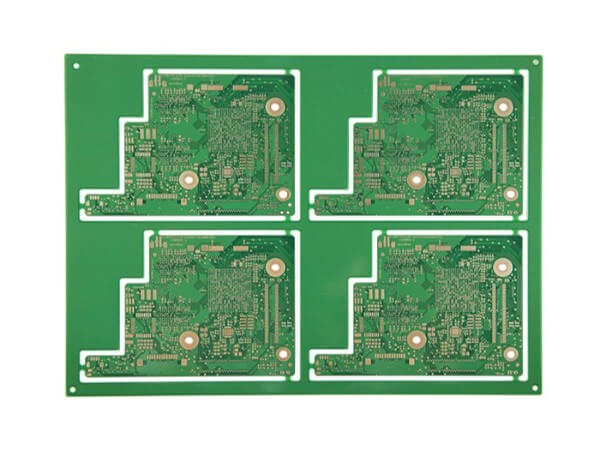
8 Best Tips and Key Considerations for Designing High-Voltage PCBs

In the world of power electronics, High-Voltage PCB design—typically involving circuits operating above 100V—presents unique challenges that go far beyond standard digital layouts. Designing for high voltage requires a deep understanding of dielectric breakdown, atmospheric conditions, and material science. Failing to implement proper high-voltage safety standards can lead to catastrophic arcing, board carbonization, or complete system failure. Whether...

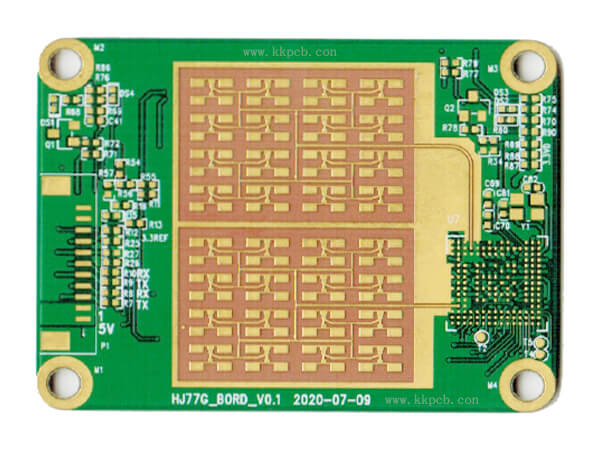
Case Study: 77GHz Millimeter-Wave Automotive Collision Avoidance System

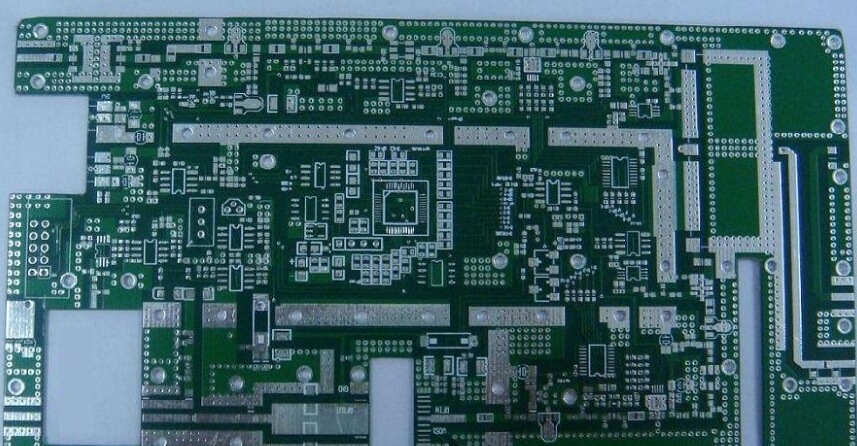
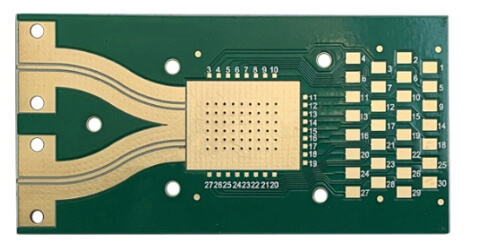
Customer Background The client specializes in the development and production of a wide range of microwave electronic products. These products are extensively used in satellite communication, television broadcasting, long-range communication, data and image transmission, radar, remote control, remote sensing, electronic reconnaissance, and electronic countermeasures. With deep technical expertise in microwave technology and high-frequency electronic products,...

Comprehensive Guide to Conformal Coatings for PCBs

Conformal coatings play a critical role in ensuring the longevity and reliability of printed circuit boards (PCBs). Whether designing electronics for consumer devices, automotive systems, or military applications, selecting the right conformal coating is essential. In this guide, we’ll cover everything about conformal coatings, from types and benefits to best practices for application. What is Conformal Coating?...

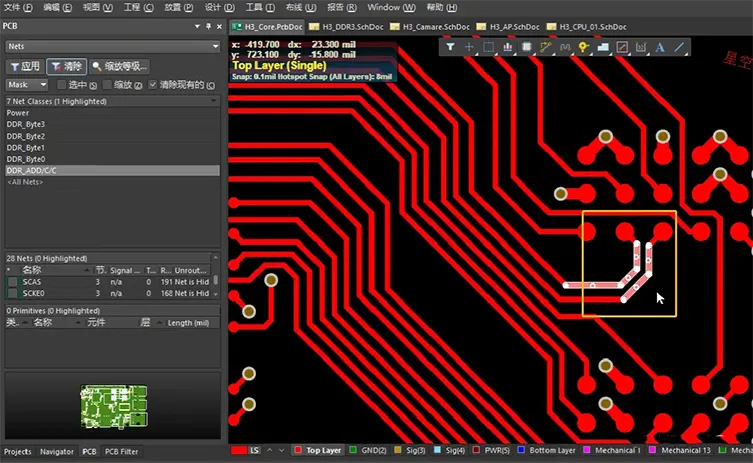
PCB Board Layout Design:20 Key Points Considerations

What is the standard of a good PCB board? Reasonable layout, sufficient power redundancy of power line, high-frequency impedance and simple low-frequency wiring. What kind of PCB design layout can reach the best heat dissipation There are three main sources of heat in PCB: heat from electronic components; heat from PCB itself; Heat from other parts. Among the three heat sources, the...

Optimized Overview: SMT and THT Assembly Processes

When assembling a printed circuit board (PCB), components are mounted onto the board through one of two primary methods: Surface Mount Technology (SMT) or Through-Hole Technology (THT). Each method has distinct advantages and is suited to different applications depending on the project requirements. This guide explores the SMT and THT assembly processes, their differences, and how to choose the right...

What is SMT? A Primer on Surface Mount Technology

Surface Mount Technology (SMT) has revolutionized the electronics industry by enabling compact, efficient, and cost-effective PCB assembly. Today, nearly all commercially manufactured electronic devices utilize SMT for its ability to pack more functionality into smaller spaces and improve manufacturing processes through automation. This guide provides a comprehensive overview of SMT, its evolution, benefits, challenges, and applications....

Overview of SMD Components and Their Characteristics

Electrical Functions and Advantages of SMD Components SMD (Surface-Mount Device) components and SMT (Surface-Mount Technology) stickers serve the same electrical functions. However, due to their small size, SMD components offer better electrical performance. Despite these advantages, not all components are available for surface mounting. High-end processors and large connectors like BGAs (Ball Grid Arrays) and PGAs (Pin...

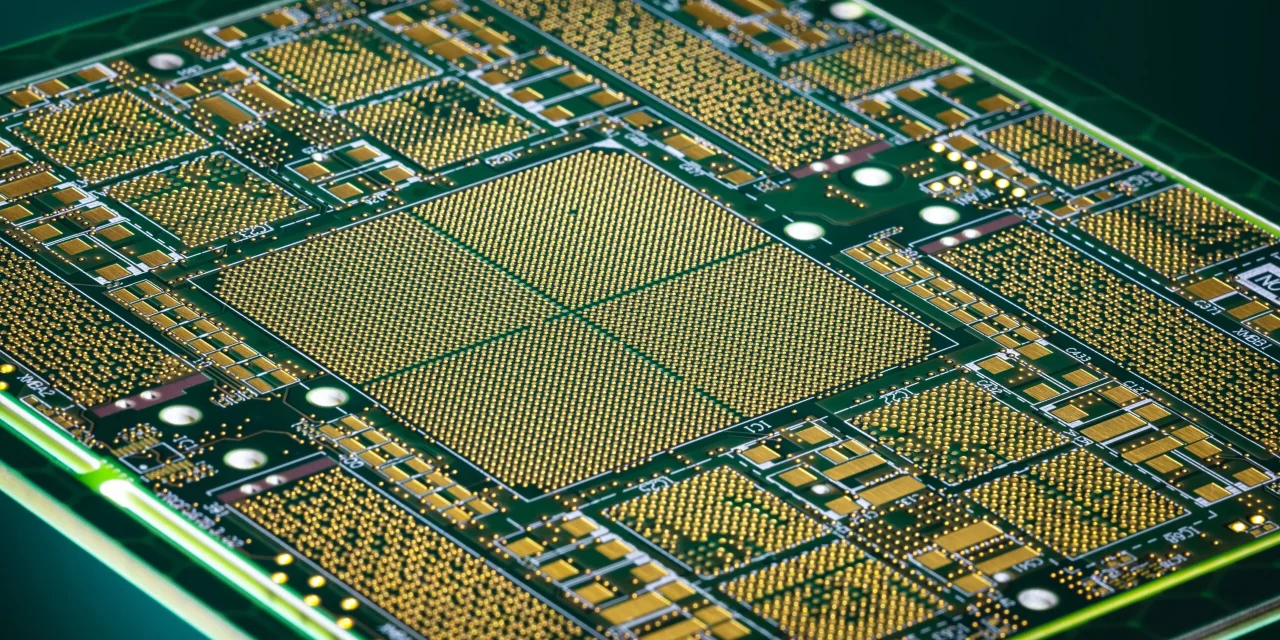
Advanced PCBs – Design, Manufacturing, and Assembly

Advanced PCBs are complex multi-layer printed circuit boards (PCBs) with significantly more layers than standard multi-layer boards. These advanced PCBs are crucial for high-end, high-precision electronic devices, which are typically found in industries like industrial equipment, instrumentation, automotive electronics, aviation, military applications, communication systems, complex computing, and space technology. What is Required for Advanced PCBs? The rapid advancement...