thermal management PCB - KKPCB
 
HomeTag

thermal management PCB - KKPCB

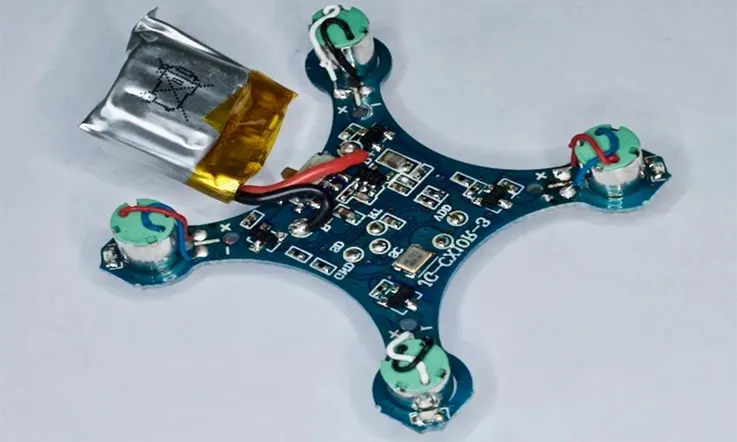
UAV PCB – Lightweight, High-Performance PCB for Unmanned Aerial Vehicles

What Is a UAV PCB? A UAV PCB is a specialized printed circuit board designed for unmanned aerial vehicles (UAVs), including drones used in commercial, military, and industrial applications. UAV PCBs must support: Flight control systems High-frequency communication modules GPS navigation and sensor integration Power management for motors and actuators They are engineered for lightweight,...

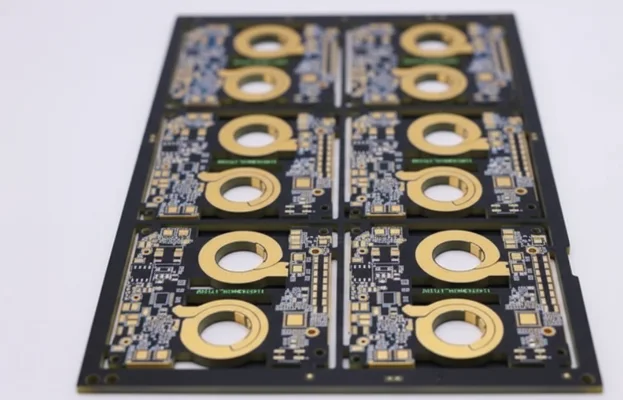
Satellite PCB – High Reliability PCB for Space and Satellite Communication Systems

What Is a Satellite PCB? A Satellite PCB is a high reliability printed circuit board engineered for space and satellite communication systems. These PCBs are designed to operate in: Extreme temperature fluctuations High radiation environments Vacuum conditions High vibration and launch shock Satellite PCB must provide long-term reliability, stable signal transmission, and mechanical integrity, as...

Heavy Copper PCB – High Current and High Reliability PCB for Power Applications

What Is a Heavy Copper PCB? A Heavy Copper PCB is a printed circuit board with copper thickness significantly higher than standard PCBs, typically ranging from 2 oz to 10 oz per square foot (70 μm – 350 μm). Heavy copper PCBs are engineered for applications that require: High current carrying capability Superior heat dissipation...

High Current PCB Manufacturing for Power Electronics and Industrial Applications

What Is a High Current PCB? A High Current PCB is a printed circuit board specifically designed to carry large currents while maintaining electrical stability and thermal reliability. These PCBs are commonly used in power electronics, automotive inverters, industrial automation, renewable energy systems, and high-current semiconductor testing. High current PCBs typically feature thick copper layers,...

Thermal Management PCB: Advanced Heat Dissipation Solutions for High-Power Electronics

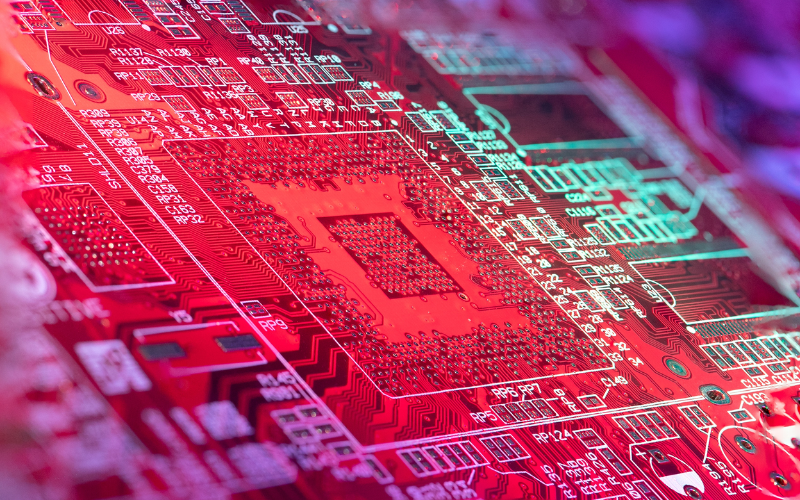
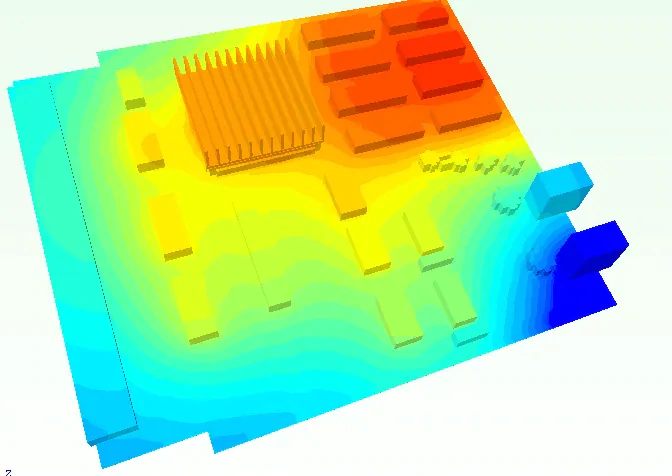
As electronic devices become more compact and powerful, effective Thermal Management PCB solutions are critical to ensure performance, reliability, and product lifespan. High-power components such as CPUs, power MOSFETs, IGBTs, LEDs, and RF amplifiers generate significant heat during operation. Without proper PCB thermal management, excessive temperature rise can lead to signal instability, reduced efficiency, and...

Heavy Copper PCB: High-Current PCBs for Power and Industrial Applications

What Is a Heavy Copper PCB? A Heavy Copper PCB is a printed circuit board manufactured with thick copper layers, typically ranging from 3 oz to over 20 oz per square foot, to support high current, high power, and enhanced thermal performance. Compared with standard PCBs, heavy copper PCBs provide lower resistance, better heat dissipation,...

Alumina PCB: High-Reliability Ceramic PCB for Power and Thermal Applications

What Is Alumina PCB? An Alumina PCB is a ceramic printed circuit board fabricated using aluminum oxide (Al₂O₃) as the substrate material. Alumina ceramic PCBs are widely used in high-power, high-temperature, and high-reliability electronic applications due to their excellent thermal conductivity, electrical insulation, and mechanical strength. Compared with traditional FR-4 PCBs, Alumina PCBs provide superior...

Hybrid PCB Materials: Combining Performance and Reliability for Advanced PCB Designs

What Are Hybrid PCB Materials? Hybrid PCB materials refer to printed circuit boards made from a combination of two or more substrate types, such as FR-4, metal-core, PTFE, or ceramic, to achieve specific electrical, thermal, or mechanical properties. Hybrid PCB materials are widely used in advanced PCB designs, where a single material cannot meet all...

Hybrid PCB Materials: Engineering Multi-Material Boards for Signal Integrity, Thermal Management, and Reliability

Hybrid PCB materials combine two or more substrate types—such as high-speed laminates, low-loss materials, BT epoxy, and ceramics—to create boards optimized for electrical performance, thermal management, and mechanical stability. Unlike single-material PCBs, hybrid designs allow engineers to tailor material properties to different areas of the circuit, achieving performance levels unattainable with conventional laminates. Why Hybrid...

Hybrid PCB Materials for Optimized Signal Integrity, Thermal Management, and Reliability in Advanced Electronics

Hybrid PCB materials are engineered substrates that combine multiple material types to achieve optimized electrical, thermal, and mechanical performance in demanding electronic applications. By integrating properties of FR-4, high-frequency laminates, PTFE, or ceramic materials, hybrid PCBs enable designers to meet multi-domain requirements that a single material cannot satisfy. Material Characteristics of Hybrid PCB Materials The...