PCB engineering - KKPCB
 
HomeTag

PCB engineering - KKPCB

Engineering Ultra-Low Loss Performance with Low Dissipation Factor PCB Materials for High-Frequency and High-Speed Systems

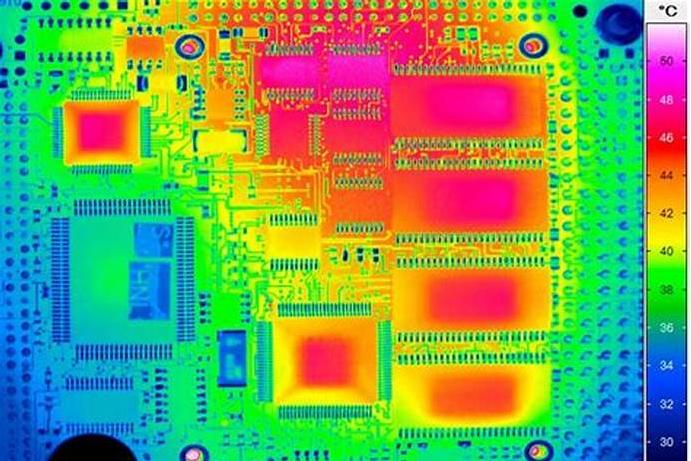
Low Dissipation Factor PCB Engineering for High-Frequency, High-Power, and Low-Loss Electronic Platforms A Low Dissipation Factor PCB is the backbone of modern high-frequency hardware, designed to minimize dielectric loss, reduce signal attenuation, and maintain stable RF performance across extreme bandwidths. As systems scale into mmWave, sub-THz, and multi-gigabit domains, the dissipation factor (Df) becomes a...
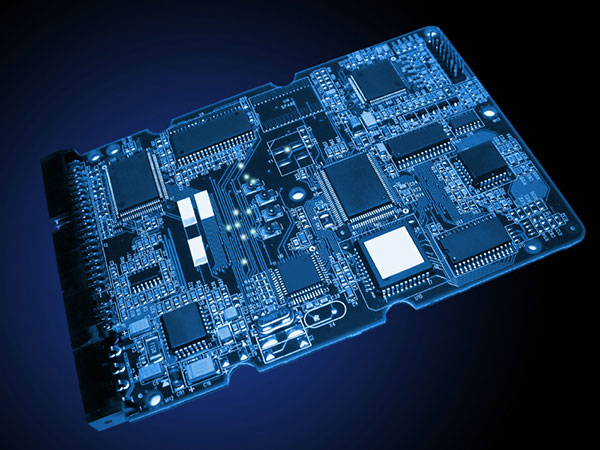
Maximize RF Power Handling and Dielectric Reliability Through TLY-5 PCB Engineering for Next-Gen High-Speed Modules

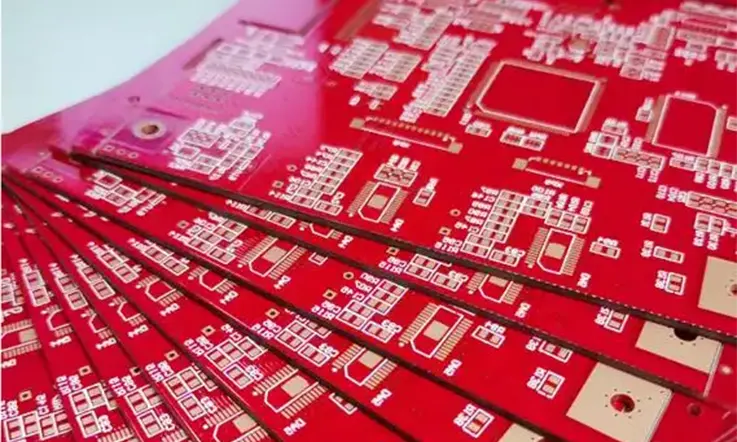
TLY-5 PCB laminates occupy a critical space in modern high-frequency design, where RF power density, dielectric stability, and consistent impedance performance determine the reliability of next-generation wireless modules. As high-speed systems extend beyond 20–40 GHz into true mmWave architecture, the engineering of TLY-5 PCB stackups becomes essential for maintaining ultra-low loss, stable dielectric constant (Dk),...

PCB Prototype Engineering: Achieving High Reliability, High Speed, and High Precision in Modern Electronics

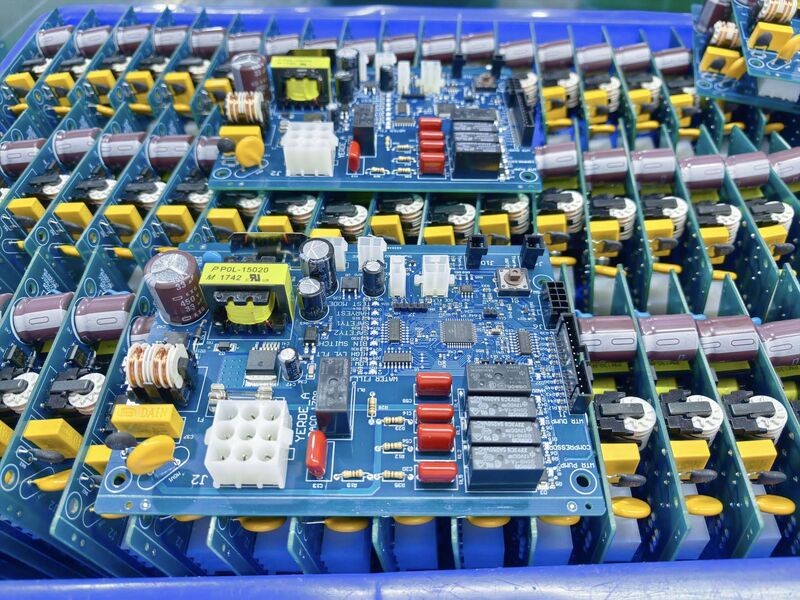
Introduction: Why PCB Prototype Engineering Defines Modern Electronics A PCB Prototype is no longer just a pre-production sample—it is the central engineering stage that determines product performance, manufacturability, reliability, and cost.In advanced electronics such as 5G, IoT, robotics, automotive, aerospace, AI edge computing, and industrial automation, a well-engineered PCB Prototype ensures signal integrity, thermal stability,...

Ensuring PCB Reliability Through Burn-in Testing — How KKPCB Guarantees Long-Term Performance

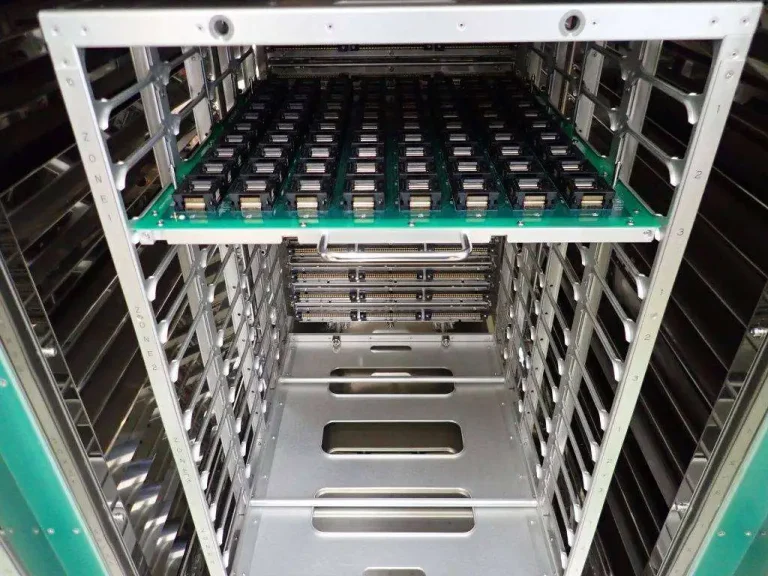
Ensuring PCB Reliability Through Burn-in Testing — How KKPCB Guarantees Long-Term Performance In high-performance electronics, reliability isn’t a luxury — it’s a requirement. At KKPCB, every printed circuit board that leaves our production line is expected to perform consistently under demanding real-world conditions. One of the most critical steps in achieving that standard is our...