multilayer PCB - KKPCB
 
HomeTag

multilayer PCB - KKPCB

Multilayer HF PCBs: Optimized Solutions for High-Frequency, High-Density Designs

A Multilayer HF PCB is a printed circuit board engineered for high-frequency signal transmission across multiple layers. Unlike standard multilayer boards, HF (high-frequency) PCBs are optimized for low dielectric loss, controlled impedance, and minimal crosstalk, enabling high-speed signal integrity in demanding applications. Multilayer HF PCBs are commonly used in: RF and microwave modules Wireless communication...
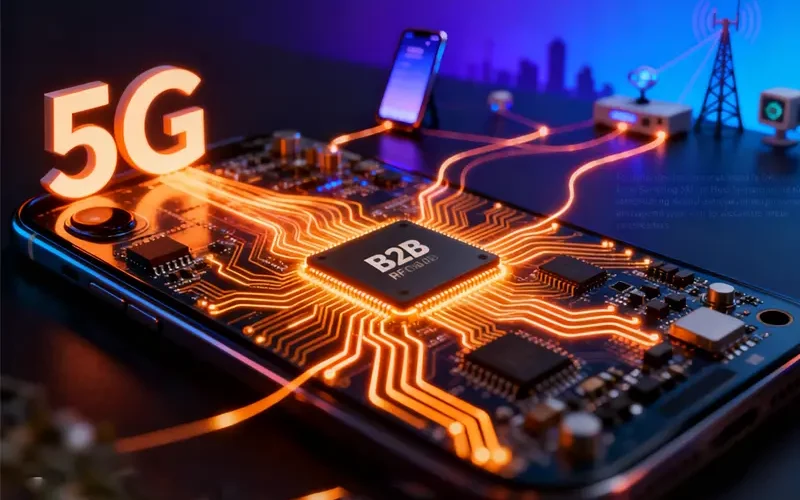
5G Router PCBs: Engineering High-Speed Connectivity for Next-Generation Networks

A 5G Router PCB is a high-performance printed circuit board designed to enable ultra-fast data transmission, low latency, and stable wireless connectivity in modern communication systems. Unlike traditional router boards, 5G routers must handle multi-gigabit data rates, high-frequency RF signals, and complex multi-antenna (MIMO) architectures. Typical 5G router PCB systems integrate: RF front-end modules (power...

BT Epoxy PCBs: High-Performance Solutions for Multi-Layer and High-Density Electronics

A BT Epoxy PCB is a printed circuit board that uses Bismaleimide-Triazine (BT) resin as the substrate material. BT Epoxy offers low coefficient of thermal expansion (CTE), high glass transition temperature (Tg), and excellent dimensional stability, making it ideal for multilayer, high-density, and fine-pitch applications. BT Epoxy PCBs are particularly suitable for: High-performance computing and...

High Current PCBs: Design and Manufacturing for High-Power Applications

What is a High Current PCB? A High Current PCB is a printed circuit board designed to carry large currents—often several amps or more—while maintaining electrical performance and thermal stability. Unlike standard PCBs, high current boards require thicker copper, optimized trace widths, and precise thermal management to prevent overheating, voltage drop, and potential damage. High...

High Reliability PCBs: Design, Manufacturing, and Applications

What is High Reliability PCB? High Reliability PCBs are designed to operate consistently in demanding environments where failure is not an option. These boards are used in aerospace, defense, medical devices, automotive, and industrial systems, where extreme conditions like high temperatures, vibration, humidity, and high-frequency operation can challenge standard PCBs. A High Reliability PCB focuses...

Low Loss PCBs: Optimizing Signal Integrity for High-Frequency Applications

In modern electronics, especially in RF, 5G, and high-speed communication systems, signal loss can significantly affect device performance. Low loss PCBs are specifically designed to minimize dielectric and conductor losses, ensuring high-frequency signals propagate with minimal attenuation. These PCBs are essential for applications such as mmWave modules, RF transceivers, antennas, and satellite communication systems. Design...

Custom ATE PCBs: Precision Design for Automated Test Equipment

Automated Test Equipment (ATE) plays a vital role in validating electronic components, modules, and systems. At the heart of these test platforms are Custom ATE PCBs, engineered to handle high-speed signals, precise routing, and repeated testing cycles without failure. These PCBs must balance electrical performance, mechanical stability, and long-term reliability to meet stringent testing requirements....

HDI PCBs: Unlocking High-Density Performance for Modern Electronics

High-Density Interconnect (HDI) PCBs are a key technology for today’s compact and high-performance electronics. With fine lines, microvias, blind and buried vias, and multiple layers, HDI PCBs allow designers to fit complex circuits into small form factors, supporting applications from mobile devices to 5G infrastructure, automotive electronics, aerospace systems, and industrial IoT devices. Advanced Design...

Buried Via PCBs: Advanced Techniques for High-Density Multilayer Boards

Buried via technology has become essential in modern PCB design, particularly for high-density, high-performance applications. Unlike through-hole vias that pass through all layers, buried vias connect only internal layers, leaving outer layers uninterrupted. This allows designers to maximize routing space, improve signal integrity, and achieve compact, multilayer PCB layouts. Design Advantages Maximizing Board Real Estate:By...

High Layer Count PCBs: Design Challenges and Manufacturing Solutions

High Layer Count PCBs (printed circuit boards with 8 layers or more) have become a cornerstone in advanced electronics design. From telecommunications and medical devices to automotive and aerospace systems, these boards allow engineers to pack more functionality into smaller footprints while maintaining high performance. However, as layer counts increase, both design and manufacturing complexities...