Low-Loss Materials - KKPCB
 
HomeTag

Low-Loss Materials - KKPCB

High-Speed PCB Design & Manufacturing Guide | Signal Integrity, Materials & KKPCB Engineering Capabilities

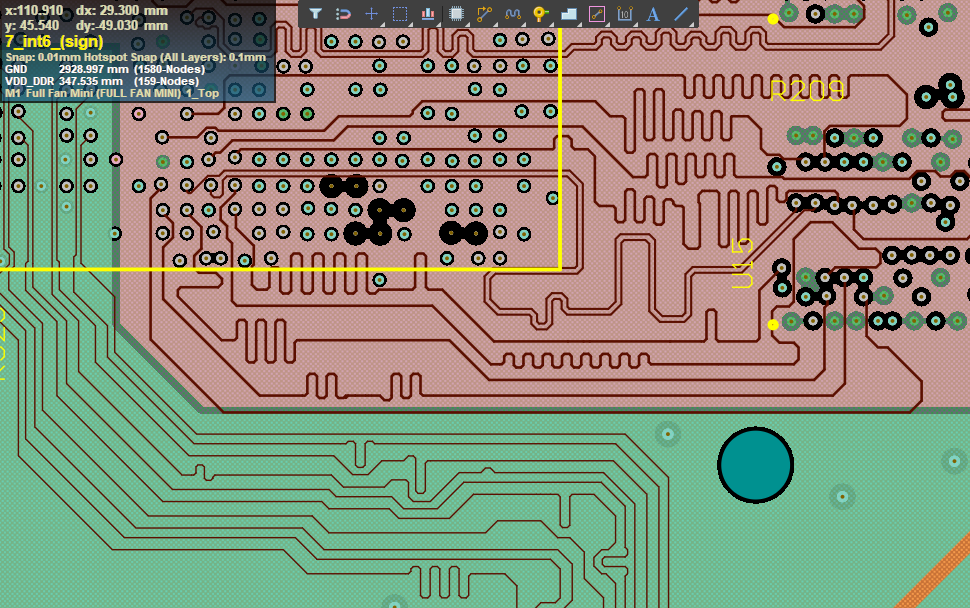
High-Speed PCB: Engineering Principles, Core Challenges & KKPCB Capabilities High-Speed PCB technology is at the center of every modern data-intensive system—from 5G infrastructure and AI servers to autonomous machines and aerospace communication modules. As signal frequencies climb beyond 3 GHz, 10 GHz, even 28–56 Gbps, traditional PCB design rules become insufficient. High-speed PCB engineering demands...

Engineering Ultra-Low Loss Performance with Low Dissipation Factor PCB Materials for High-Frequency and High-Speed Systems

Low Dissipation Factor PCB Engineering for High-Frequency, High-Power, and Low-Loss Electronic Platforms A Low Dissipation Factor PCB is the backbone of modern high-frequency hardware, designed to minimize dielectric loss, reduce signal attenuation, and maintain stable RF performance across extreme bandwidths. As systems scale into mmWave, sub-THz, and multi-gigabit domains, the dissipation factor (Df) becomes a...

Boost High-Q Resonance and Ultra-Stable Impedance Control with High-Frequency Sensor PCB Structures for Aerospace Navigation Sensors

Aerospace navigation sensors operate in a realm where the margin for error is essentially zero. Whether guiding autonomous aircraft, stabilizing flight control modules, or supporting satellite-assisted positioning, these sensors rely on high-frequency PCB platforms engineered for absolute electrical stability. Achieving high-Q resonance and ultra-consistent impedance is not just a design preference—it is the foundation of...

Optimize High-Speed Routing and EMI Control Using Advanced ADAS PCB Architectures in Next-Gen Autonomous Vehicles

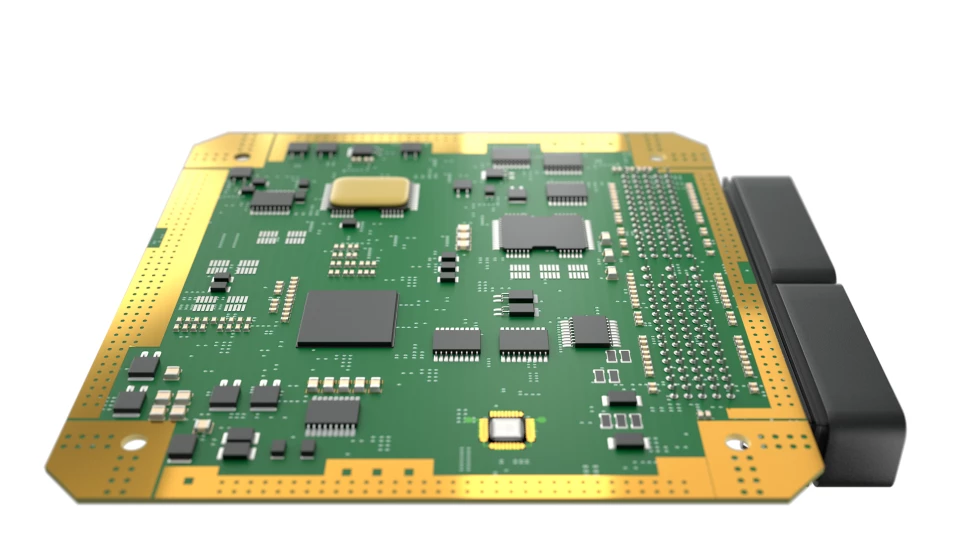
Autonomous driving platforms rely on a dense constellation of cameras, radars, lidars, domain controllers, and AI accelerators. These subsystems generate enormous volumes of high-speed data, while simultaneously consuming sensitive analog information from perception sensors. The PCB that connects everything becomes a multi-domain electromagnetic battlefield, where PCIe Gen4/Gen5 lanes, multi-gig SerDes routes, sensor-fusion processors, and power...

Radar PCB Design: Materials, High-Frequency Layout Techniques & Applications

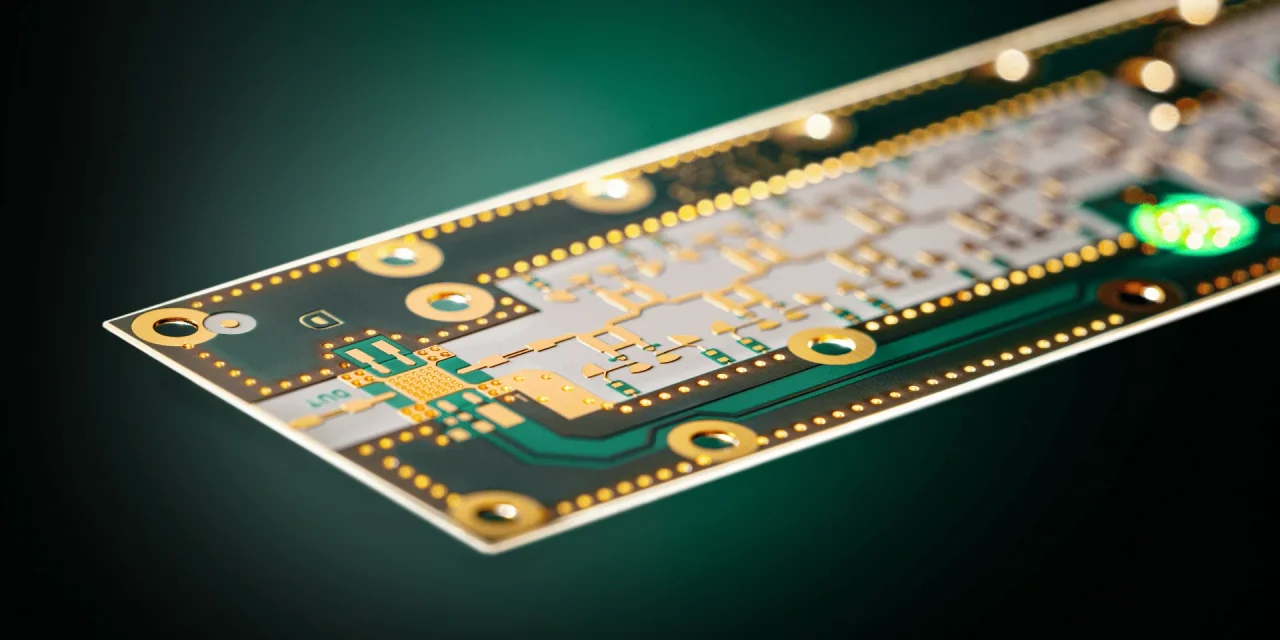
Radar PCB: Design Principles, Materials, Manufacturing Challenges & Key Applications High-speed PCBs stand at the top of modern circuit-board technology, spanning digital high-speed, mixed-signal, and RF/microwave categories. Among these, RF and microwave PCBs operate at the highest frequencies, making them essential for advanced applications—especially RADAR (Radio Detection and Ranging). Because Radar PCBs frequently host a...