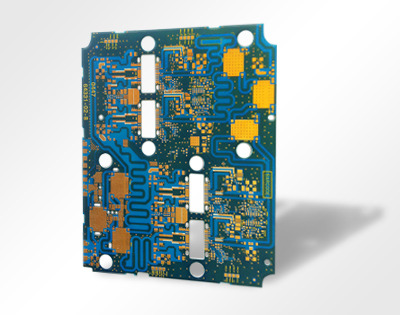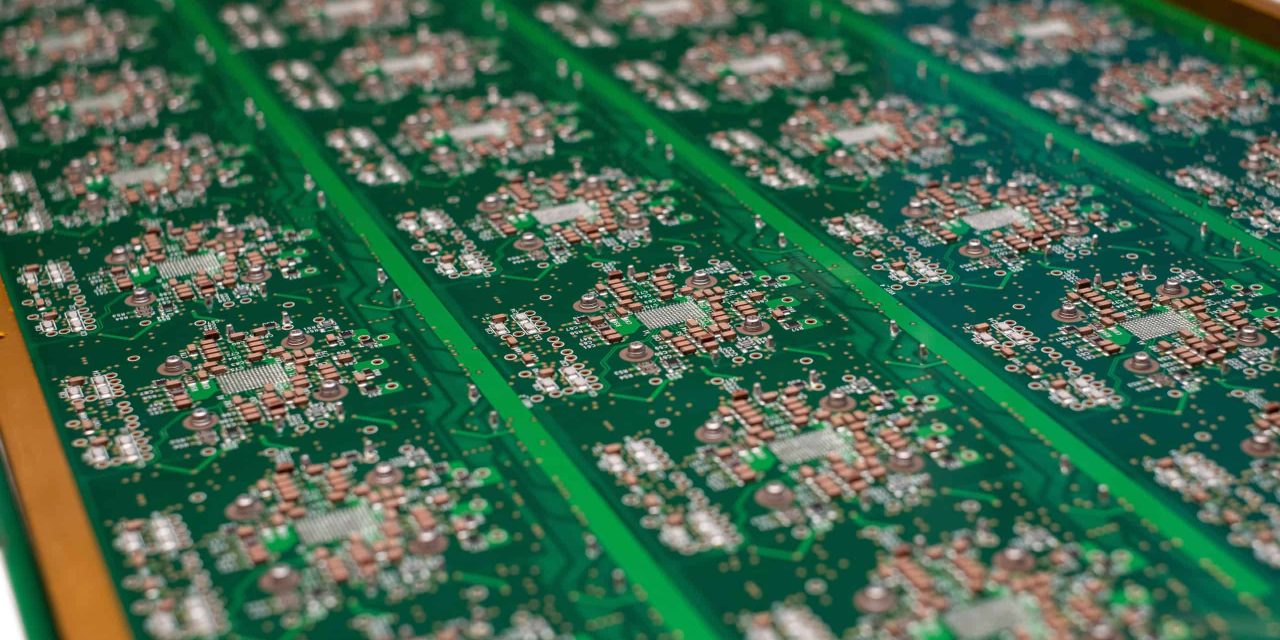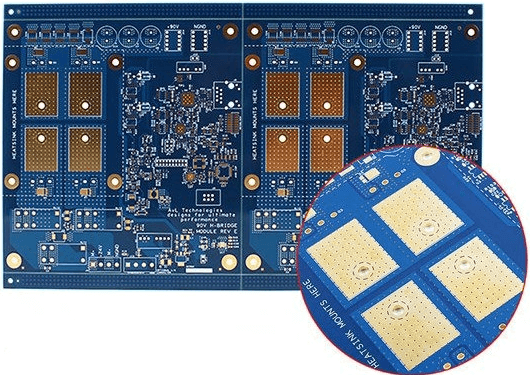
high-Tg PCB - KKPCB
 
HomeTag

high-Tg PCB - KKPCB

High TG PCB for Multilayer and High Thermal Stress Applications

A High TG PCB refers to a printed circuit board manufactured with laminate materials that feature a high glass transition temperature, typically 170°C or above. However, in advanced electronics, High TG material selection is not only about temperature tolerance — it is fundamentally about mechanical stability under thermal stress. In multilayer, thick copper, and high-power...
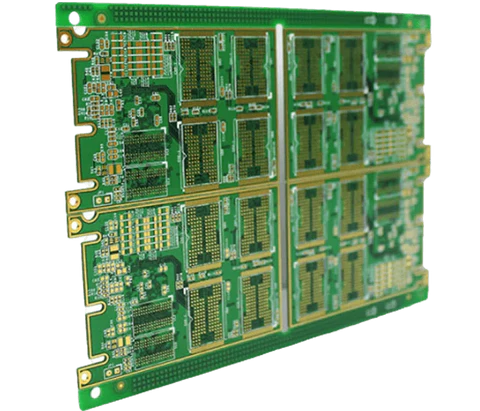
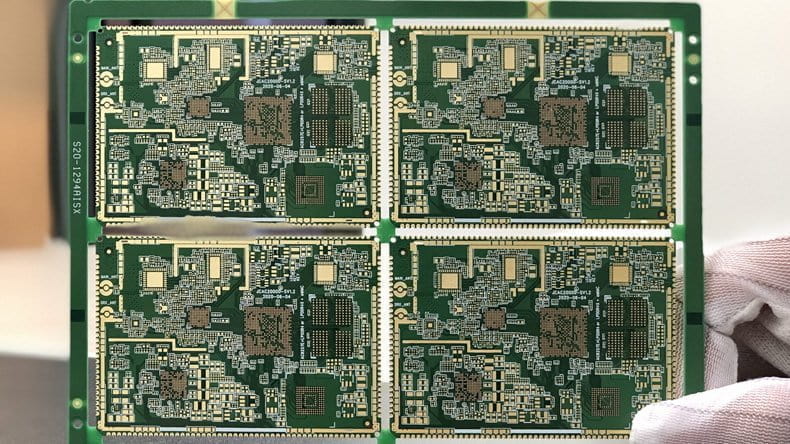
High TG PCB – High Glass Transition Temperature PCB for Thermal Stability and Reliability

What Is a High TG PCB? A High TG PCB refers to a printed circuit board manufactured using laminate materials with a high glass transition temperature (Tg). The glass transition temperature is the point at which the PCB substrate transitions from a rigid state to a softer, more flexible state under heat. Standard FR4 materials...

Multilayer PCB – High Performance Multi Layer Printed Circuit Board for Advanced Electronics

What Is a Multilayer PCB? A Multilayer PCB is a printed circuit board composed of three or more conductive copper layers laminated together with insulating dielectric materials. Compared to single-sided or double-sided boards, Multilayer PCB technology allows significantly higher circuit density and more complex routing structures. Modern electronic systems increasingly require compact size, high speed...

High Layer Count PCB – Advanced Multilayer PCB for High Density and High Speed Applications

What Is a High Layer Count PCB? A High Layer Count PCB refers to a multilayer printed circuit board typically built with 16 layers or more, and in advanced applications, up to 40, 60, or even higher layer counts. High Layer Count PCB is designed to support: High density routing Complex signal distribution Controlled impedance...

Rigid-Flex PCB – High Reliability Hybrid PCB for Compact and Complex Electronic Designs

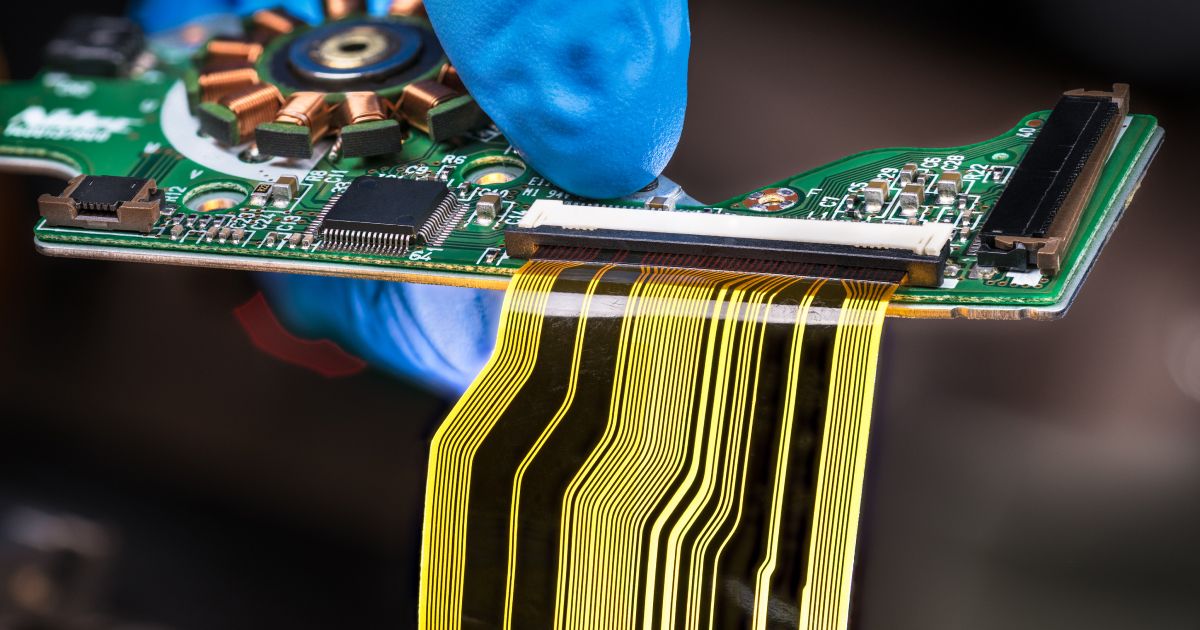
What Is a Rigid-Flex PCB? A Rigid-Flex PCB is a hybrid printed circuit board that integrates rigid PCB sections and flexible circuit layers into a single unified structure. Unlike traditional PCB assemblies that use connectors or cables between separate boards, a Rigid-Flex PCB eliminates mechanical interconnections by embedding flexible layers within the rigid stack-up. Rigid-Flex...

High TG PCB – High Glass Transition Temperature PCB for High Reliability Applications

What Is a High TG PCB? A High TG PCB is a printed circuit board fabricated using high glass transition temperature (TG) laminate materials, typically with TG values above 170°C, 180°C, or even 200°C depending on application requirements. The glass transition temperature (TG) refers to the temperature at which the PCB substrate transitions from a...

Satellite PCB – High Reliability PCB for Space and Satellite Communication Systems

What Is a Satellite PCB? A Satellite PCB is a high reliability printed circuit board engineered for space and satellite communication systems. These PCBs are designed to operate in: Extreme temperature fluctuations High radiation environments Vacuum conditions High vibration and launch shock Satellite PCB must provide long-term reliability, stable signal transmission, and mechanical integrity, as...

Heavy Copper PCB – High Current and High Reliability PCB for Power Applications

What Is a Heavy Copper PCB? A Heavy Copper PCB is a printed circuit board with copper thickness significantly higher than standard PCBs, typically ranging from 2 oz to 10 oz per square foot (70 μm – 350 μm). Heavy copper PCBs are engineered for applications that require: High current carrying capability Superior heat dissipation...

Low Loss PCB – High Performance PCB for RF, Microwave and 5G Applications

What Is a Low Loss PCB? A Low Loss PCB is a high frequency printed circuit board designed with materials that minimize dielectric loss and signal attenuation at GHz-level frequencies. These PCBs are essential for RF communication, microwave circuits, 5G modules, and high speed digital applications, where every fraction of signal loss affects performance and...

Burn-in PCB – High Reliability Test Boards for IC Burn-in and Stress Testing

What Is a Burn-in PCB? A Burn-in PCB is a specialized printed circuit board designed for semiconductor burn-in testing. It is used to apply electrical and thermal stress to integrated circuits (ICs) over an extended period to identify early-life failures and ensure long-term reliability. Burn-in testing is a critical quality control process in semiconductor manufacturing,...